


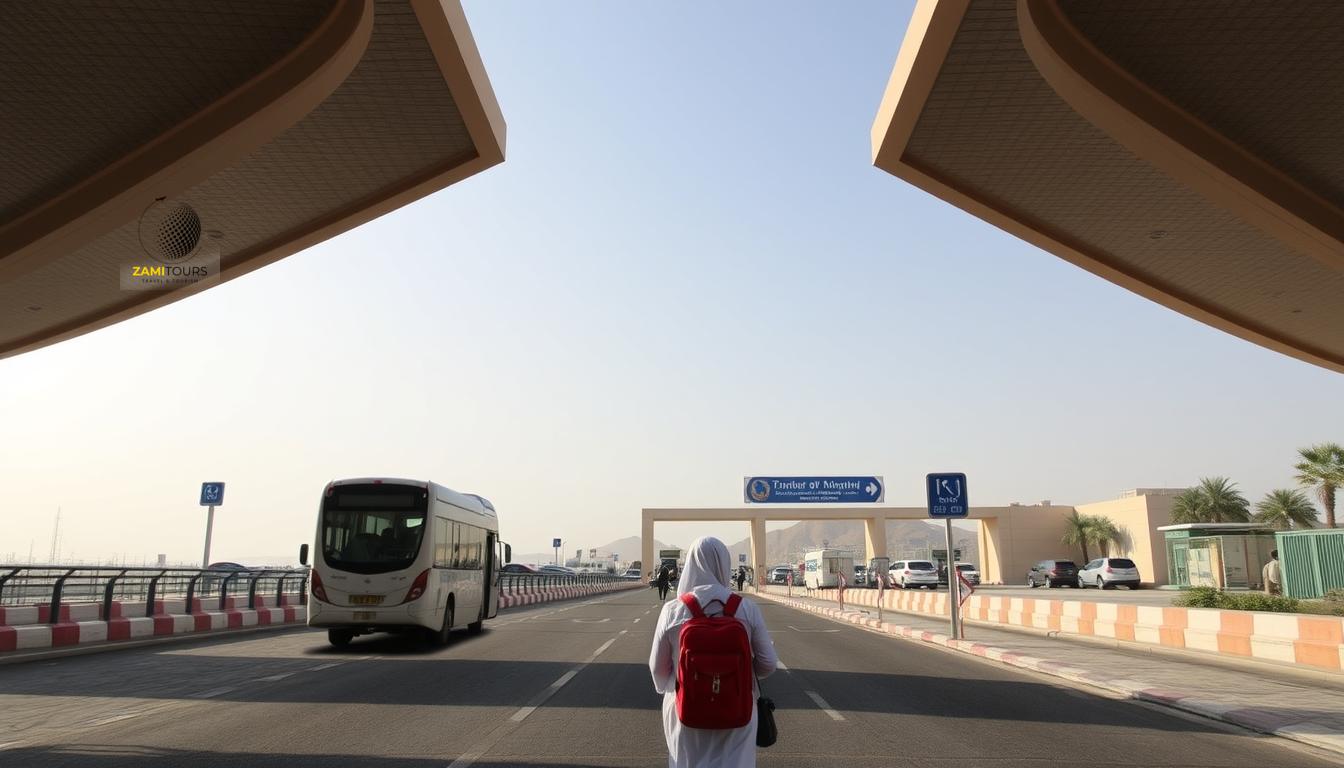

The process involves exiting the UAE through the Hatta (Wajajah) border checkpoint, entering the Sultanate of Oman, and immediately re-entering the UAE—all within a few hours. Consequently, it officially registers a new entry into the UAE immigration system, granting you a fresh period of stay. Specifically, the route through the Hajar Mountains is not only efficient but also offers a stark, beautiful contrast to the cityscape. Meanwhile, understanding the nuances of timing, documentation, and vehicle requirements transforms a potentially stressful trip into a straightforward drive.
2026 marks a period of streamlined procedures and digital integration at UAE-Oman land borders. This aligns with broader GCC travel facilitation initiatives. Furthermore, for holders of UAE tourist or business visas with multiple entry privileges, this process is a legal and cost-effective alternative to flying out. Therefore, knowing the exact steps, costs, and potential pitfalls is more crucial than ever. Practical implications include avoiding fines, preventing visa overstay, and ensuring uninterrupted residence.
It revolutionizes how individuals manage their UAE visa compliance. Stakeholders benefit from clarity, reduced anxiety, and significant cost savings compared to last-minute flights. Moreover, the process, when executed correctly, is remarkably efficient. Consequently, this comprehensive 2026 guide provides everything from pre-departure checklists to post-re-entry verification, ensuring your UAE visa border run is completely hassle-free.
Need Expert Visa Guidance? We Process 1000+ UAE Visas Daily.
Our specialized team manages a high volume of multiple entry visas. Let us handle the complexity while you enjoy peace of mind.
Understanding the UAE Multiple Entry Visa Border Run
A UAE multiple entry visa border run is a strategic maneuver where an individual temporarily exits and re-enters the UAE to activate a new permitted stay period under their existing visa. First, it is critical to distinguish this from renewing or extending a visa. The border run does not change the visa’s expiry date; it merely resets the clock on your allowed duration of stay per entry. For instance, a 60-day multiple entry tourist visa grants 60 days of stay from the date of each entry. Therefore, exiting and re-entering via Hatta before those 60 days expire grants another 60-day stay period, provided the visa’s overall validity (e.g., 6 months) hasn’t ended.
Furthermore, this process is fully legal and recognized by UAE immigration authorities, provided all entry and exit rules are followed. The key is using a recognized border crossing, with Hatta being the preferred choice for those in Dubai and the Northern Emirates due to its proximity and straightforward process. This method is particularly vital for business visitors, investors, and family members who need to remain in the UAE for extended periods without committing to a single long-term residence visa.
Specifically, the mechanics involve three distinct immigration checks:
- UAE Exit Passport Control: Your passport is scanned, and an exit stamp is recorded.
- Oman Entry & Exit: You obtain an Oman visa on arrival (for eligible nationalities) and immediately exit.
- UAE Re-Entry Passport Control: Your passport is scanned again, granting a new entry stamp and a fresh stay period.
Meanwhile, the entire procedure hinges on personal vehicle travel. Consequently, planning around operational hours, traffic, and proper documentation is the cornerstone of success. This foundational understanding sets the stage for a deep dive into the detailed Hatta route.
Why the Hatta Route is the Optimal Choice in 2026
Selecting the correct border crossing is the first critical decision. Among the UAE-Oman land borders—including Al Ain (Al Wajajah), Khatam Al Shakla, and Dibba—the Hatta crossing (officially the Wajajah Border Post) offers distinct advantages for a multiple entry visa border run. First, its proximity to Dubai, approximately a 130km drive, makes it a manageable half-day trip. The scenic mountain road (E44 and E55) is well-maintained, providing a pleasant driving experience compared to busier commercial routes.
Additionally, the Hatta border is renowned for its efficiency and traveler-friendly facilities. The procedures at both UAE and Omani sides are well-organized for tourist traffic. Moreover, the Omani side at Wajajah is specifically geared for quick visa-on-arrival processing, understanding the nature of these short cross-border trips. Therefore, officials are typically swift and require minimal questioning when they see a same-day exit stamp from Oman.
Another significant benefit is the clarity of the process. The route is linear: you reach the UAE exit, drive a short no-man’s-land stretch, reach Oman entry, turn around, and return. This reduces confusion compared to more complex borders. Consequently, first-timers find the Hatta route less intimidating. Meanwhile, the availability of amenities like fuel stations, rest areas, and a small duty-free shop on the UAE side adds convenience.
Finally, the predictability of timing is superior. While waits can occur, they are generally shorter and more predictable at Hatta than at the busier Al Ain crossing. This allows for precise planning, ensuring you can complete your UAE visa border run and return to Dubai within 4-6 hours. For professionals and families, this minimized disruption is a major advantage.
Essential Pre-Departure Checklist
Failure to prepare is preparing for failure, especially at an international border. This checklist is your non-negotiable pre-departure ritual for a successful Hatta border run.
- Valid Passport: Must have at least 6 months validity from the date of travel.
- Valid UAE Resident or Tourist Visa: Printed copy of your UAE e-visa or the visa page in your passport. Ensure it is a multiple entry type.
- Vehicle Ownership/ Rental Documents: The car’s registration card (Mulkiya) and valid insurance.
- Oman Cross-Border Vehicle Insurance: Standard UAE insurance is invalid in Oman. Purchase short-term Oman coverage at kiosks before the UAE exit point (cost: ~AED 50-100 for 5 days).
- Driver’s License: Your valid UAE or international driver’s license.
- Debit/Credit Card: For paying the OMR 5 Oman visa fee (cash is sometimes accepted but card is more reliable).
- Sufficient Fuel: Fill your tank in Hatta town; stations after the border are sparse.
- Mobile Phone & Charger: For GPS navigation and emergencies. Ensure roaming is activated if needed, though UAE signal often carries into the Omani zone.
- Cash in AED & OMR: While cards work, having ~AED 200 and OMR 10 in small notes is prudent for unexpected fees or purchases.
Furthermore, conduct a final visa status check on the ICP (Federal Authority for Identity, Citizenship, Customs & Port Security) or GDRFA app to confirm your visa is active and in order. Subsequently, check your car’s tire pressure, coolant, and engine oil—the mountain drive can be demanding. This meticulous preparation is what separates a smooth journey from a logistical nightmare.
The UAE Multiple Entry Visa Border Run Current Landscape in 2026
The operational landscape for a UAE multiple entry visa border run is dynamic. In 2026, the process remains firmly established, with technology playing an enhanced role. First, the UAE’s immigration systems are fully digitized. Your exit and entry are instantly recorded electronically, though physical stamps are still often applied. This digital trail means overstays are detected automatically, emphasizing the need for precise timing.
Moreover, Oman’s visa-on-arrival system has been expanded to include more nationalities. Currently, citizens of over 70 countries, including the US, UK, EU, Australia, and many others, are eligible for the OMR 5 visa obtainable at the border. However, it is critical to verify your specific nationality’s status before travel, as rules can change. The Omani government’s Royal Oman Police website provides the official list.
Another key aspect of the 2026 landscape is the heightened focus on vehicle documentation. UAE border police rigorously check car registration and insurance. Consequently, driving a rental car requires explicit written permission from the rental company allowing the vehicle to cross into Oman. Many standard rentals prohibit this, so you must secure a “cross-border” rental agreement, often at a higher daily rate. This single point causes more aborted trips than any other.
Meanwhile, traffic flow management has improved. The UAE side at Hatta has dedicated lanes for tourists and residents, streamlining the process. Therefore, during off-peak hours, the border crossing can be remarkably swift. Understanding this current environment allows you to navigate the Hatta border run with confidence and awareness of the latest requirements.