


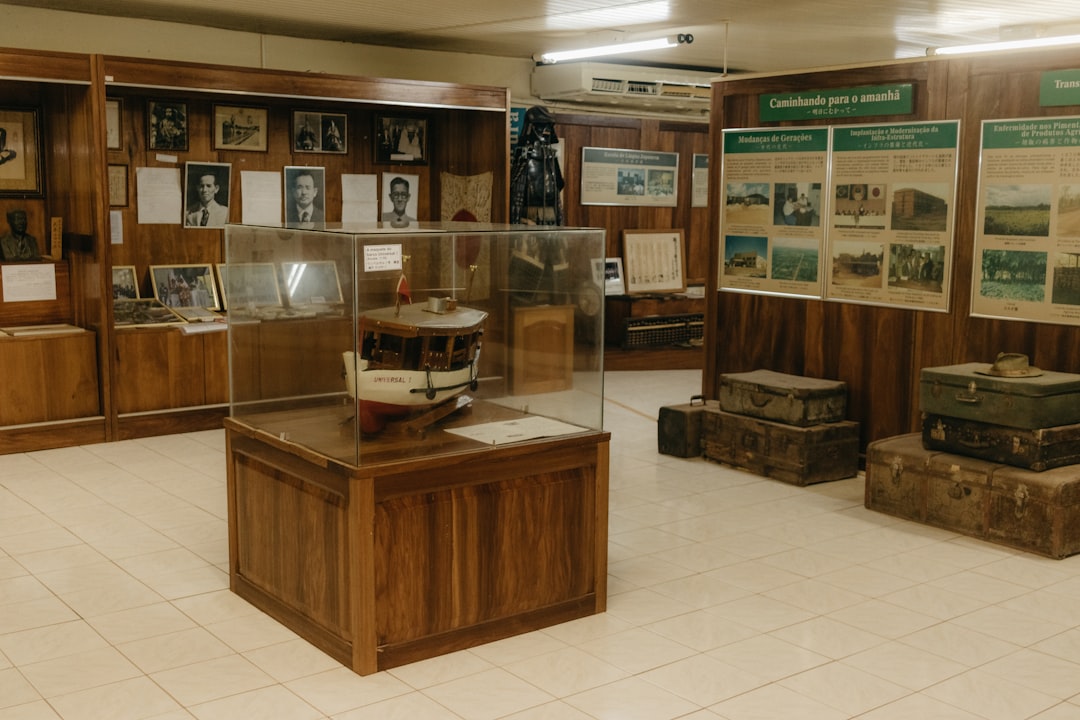

Planning to explore the Al Shindagha Museum Heritage Complex? This sprawling cultural destination, nestled along the historic Dubai Creek in the Al Shindagha Historic District, offers an unparalleled journey into the emirate’s rich past. Far more than a single building, it is a revitalized neighborhood featuring over 20 restored heritage houses and pavilions, each telling a unique chapter of Dubai’s transformation from a pearl diving and fishing village to a global metropolis. It stands as a cornerstone of the Dubai Historic District, preserving the very essence of Emirati culture, traditions, and maritime legacy.
The complex is meticulously curated, with pavilions dedicated to specific themes such as perfume, traditional craftsmanship, social life, and the pivotal ruling family, the Al Maktoum. Visitors can walk through authentically reconstructed scenes of pre-oil daily life, gaining a profound appreciation for the resilience and ingenuity of the region’s people. The museum utilizes cutting-edge technology, including holograms, interactive displays, and immersive soundscapes, to bring these histories to life in a captivating and accessible way.
At Zami Tours, trusted by 10,000+ travelers, we provide expert guidance for your Dubai cultural itinerary. Our team with 5+ years UAE experience helped visitors from 50+ countries seamlessly integrate heritage sites like this into their travel plans. Ensure your documents are in order; you can easily apply for your Dubai visa online through our streamlined portal.
Ready to Get Started?
Understanding Al Shindagha Museum Heritage Complex
The Al Shindagha Museum Heritage Complex is not merely a collection of artifacts but a living, breathing testament to Dubai’s soul. Located in the city’s oldest residential area, it was once home to the ruling family and the community’s merchants and pearl divers. The extensive restoration project aimed to preserve the original architectural fabric of the area, including wind-tower houses, narrow alleyways, and the scenic creek front, transforming it into a premier open-air museum.
The site’s significance is deeply rooted in its location. The Dubai Creek was the lifeline of the city, and Al Shindagha was its gateway. This is where trade flourished, where dhows were built, and from where pearl diving expeditions set sail. The museum complex captures this pivotal role, allowing visitors to stand at the very crossroads of history and modernity.
Key features of the complex include:
- The Perfume House: Exploring the region’s ancient trade in and use of aromatic scents.
- The Traditional Crafts Pavilion: Showcasing skills like Al Sadu weaving and pottery.
- The Social Life Pavilion: Detailing celebrations, weddings, and daily home life.
- The Creek House: Former residence of the late Sheikh Saeed Al Maktoum, offering insights into the ruling family’s history.
This comprehensive approach ensures that every facet of Emirati heritage is represented, providing a holistic and deeply educational experience for all who visit.
Why Choose Al Shindagha Museum Heritage Complex
Among Dubai’s many attractions, the Al Shindagha Museum Heritage Complex stands out for its authenticity and depth. While skyscrapers and malls define the modern cityscape, this complex offers a crucial counterpoint, answering the fundamental question of how Dubai came to be. It provides context and meaning to the emirate’s rapid development, making it an essential visit for any culturally curious traveler.
The experience is highly immersive. Instead of just looking at objects behind glass, you walk through the rooms where history unfolded. You smell the oud and incense in the Perfume House, hear the creak of a dhow’s hull in the Maritime Museum, and feel the texture of traditional textiles. This multi-sensory engagement creates a powerful and memorable connection to the past that static displays cannot match.
Choosing this destination offers several unique advantages:
- Authentic Cultural Immersion: Experience the genuine history of the UAE, not a commercialized version.
- Educational Value: An invaluable resource for families, students, and history enthusiasts.
- Stunning Location: The picturesque Creek setting provides a beautiful and tranquil backdrop for exploration.
- Varied Exhibits: With multiple pavilions, there is something to captivate every interest.
It represents the foundational story of the UAE, a narrative of resilience, trade, and community that is beautifully preserved for future generations.
Al Shindagha Museum Heritage Complex Experience
Experiencing the Al Shindagha Museum Heritage Complex is a journey through time. A typical visit can last between two to four hours, depending on your level of interest. The journey often begins at the Visitor Centre, where you can get a map and an overview of the sprawling site. From there, you can meander through the labyrinthine pathways, choosing which of the themed pavilions to explore first.
The highlights are numerous. The “Dubai Creek: Birth of a City” pavilion is a masterclass in storytelling, using advanced technology to illustrate the creek’s central role. The “Maritime” section is particularly captivating, with detailed exhibits on pearl diving, including the tools, techniques, and immense risks involved in this once-vital industry. You’ll see full-sized dhow replicas and understand how these vessels connected Dubai to the wider world.
Key experiential elements include:
- Interactive Displays: Touchscreens and holograms that respond to your presence.
- Audio-Visual Presentations: Short films and narrations from historical figures.
- Life-sized Dioramas: Recreated scenes of souks, homes, and dockyards.
- Hands-on Activities: Opportunities to try traditional crafts or smell historical ingredients.
The entire experience is designed to be engaging for all ages, making it a perfect family-friendly destination that educates as it entertains.
Historic District Details & Features
The Al Shindagha area itself is a feature of immense historical importance. Designated as part of the Dubai Historic District, its restoration was a monumental task aimed at preserving the architectural heritage of the late 19th and early 20th centuries. The buildings are characterized by their use of coral stone, gypsum, and teak, with the iconic Barjeel (wind tower) providing a natural and ingenious form of air conditioning.
Walking through the district, you are traversing the same paths as Dubai’s founding fathers. The Creek House, the former residence of Sheikh Saeed Al Maktoum, is a prime example of the era’s architecture and is now a museum dedicated to the history of the Al Maktoum family and old Dubai. The careful restoration means that the original layout, decorative elements, and atmosphere have been faithfully maintained.
Notable architectural and historical features include:
- Barjeel (Wind Towers): The complex features numerous examples of this traditional Persian Gulf architecture.
- Mashrabiya (Lattice Screens): Used for privacy and to cool the air entering the buildings.
- Original Building Materials: The use of coral, stone, and palm fronds in construction.
- The Waterfront: The direct access to the Creek, which was the original “highway” for trade and travel.
This attention to detail in the district’s preservation makes a visit here a truly authentic step back in time, offering a tangible connection to the emirate’s humble and ambitious beginnings.
Need Expert Assistance?
Cultural Visit Planning & Tips
To make the most of your visit to this extensive heritage site, some prior planning is highly recommended. The complex is large and spread out, so comfortable walking shoes are an absolute necessity. The weather in Dubai can be extremely hot for much of the year, so visiting during the cooler morning hours or later in the afternoon is wise. Allocating at least three hours will allow you to explore the key pavilions without feeling rushed.
It is also important to dress respectfully when visiting a cultural site of this significance. While Dubai is modern, modest attire that covers shoulders and knees is appreciated and often required. The museum provides a valuable context for your entire Dubai trip, so consider visiting it early in your itinerary to better understand the modern city’s foundations.
Essential planning tips:
- Check Opening Times: Verify current hours and any special closures before you go.
- Purchase Tickets Online: This can save time and potentially offer discounts.
- Hydrate: Carry water, especially if exploring during warmer parts of the day.
- Use the Map: The site is expansive; the provided map is essential for navigation.
- Combine with Other Sites: The complex is near the Al Fahidi Historic District and the Dubai Souk, making a full day of heritage exploration easy.
Proper planning ensures a comfortable, enriching, and thoroughly enjoyable experience at one of Dubai’s most important cultural landmarks.
Common Heritage Visit Mistakes
Many visitors, especially first-timers to cultural sites in the region, make a few common errors that can detract from their experience. One of the biggest mistakes is underestimating the size and scope of the Al Shindagha Museum Heritage Complex. Attempting to rush through it in an hour does a disservice to the depth of information and atmosphere on offer. Allocating sufficient time is crucial for a meaningful visit.
Another frequent error is neglecting the climate. The heat and sun can be intense, and the walk between pavilions, while scenic, is mostly outdoors. Failing to wear a hat, use sunscreen, or carry water can lead to discomfort and cut a visit short. Furthermore, visitors sometimes overlook the importance of context; reading the placards and engaging with the interactive elements is what transforms a simple walk into a profound learning experience.
Mistakes to avoid:
- Insufficient Time Allocation: Rushing through the exhibits.
- Poor Footwear: Wearing uncomfortable shoes for extended walking.
- Ignoring the Weather: Not preparing for heat or sun exposure.
- Skipping the Guided Tour: Missing out on expert insights and stories.
- Lack of Cultural Sensitivity: Dressing inappropriately for a heritage site.
Avoiding these pitfalls will greatly enhance your appreciation for this cornerstone of Emirati history and culture.
Museum Experience vs Alternatives
While Dubai offers several museums, the Al Shindagha Museum Heritage Complex offers a distinct experience compared to alternatives like the Etihad Museum or the Dubai Museum in Al Fahidi Fort. The key differentiator is its scale and format. Shindagha is an open-air, neighborhood-wide complex, whereas the others are contained within single, albeit significant, buildings.
The Etihad Museum focuses specifically on the political history of the UAE’s formation in 1971, with a very modern and architectural approach. The Dubai Museum in Al Fahidi Fort provides a more condensed, traditional museum experience with dioramas and exhibits housed in the city’s oldest existing building. Shindagha, by contrast, immerses you in the actual environment where the history happened, with a stronger emphasis on social history, daily life, and maritime traditions.
Comparative advantages:
- Al Shindagha: Largest area, focus on social & maritime history, immersive open-air experience.
- Etihad Museum: Focus on 1968-1974 union period, modern architecture, political narrative.
- Dubai Museum (Al Fahidi Fort): Most central location, traditional diorama-based exhibits, general overview.
For a comprehensive understanding, visiting both Shindagha and one of the others is ideal. However, for depth, scale, and a truly immersive journey into pre-oil Emirati life, the Al Shindagha Museum Heritage Complex is unparalleled.
Expert Cultural Itinerary Recommendations
To fully appreciate Dubai’s heritage, we recommend integrating the Al Shindagha Museum Heritage Complex into a broader cultural day. A perfect itinerary would start with a morning abra (traditional boat) ride across the Creek from the Bur Dubai side. Begin your exploration at the complex, focusing on the Maritime and Perfume pavilions first. After a few hours, take a short walk or abra to the Al Fahidi Historic District (Bastakiya) to explore its art galleries and cafes, such as the XVA Gallery Cafe.
Following this, you can walk through the Textile Souk and cross the Creek again on an abra to the Deira side, where you can experience the vibrant Spice Souk and Gold Souk. This full-day journey physically and culturally traces the historical trading heart of Dubai, providing a complete and contextualized picture. For those with limited time, a half-day focusing solely on the Shindagha complex and a Creek abra ride is still immensely rewarding.
Recommended itinerary highlights:
- Morning: Abra ride, explore key pavilions at Al Shindagha.
- Lunch: Enjoy a meal at a cafe in the Al Fahidi district.
- Afternoon: Explore the Al Fahidi galleries and cross to the Deira souks.
- Evening: Return to the Creek for a traditional dhow dinner cruise.
This expert-curated plan ensures you experience the living history of Dubai, connecting the dots between its past and present in a seamless and unforgettable way.
Frequently Asked Questions About Al Shindagha Museum Heritage Complex
How long does the Al Shindagha Museum Heritage Complex visit take?
A comprehensive visit typically takes 2 to 4 hours. The complex is extensive with over 20 pavilions, so allocating enough time is key to a full experience. Plan your visit with sufficient time to explore.
What is required for this heritage site visit?
Required items include modest dress (covering shoulders and knees), comfortable walking shoes, a valid ID, and a ticket which can often be purchased online in advance. Sun protection is also highly recommended.