



Introduction
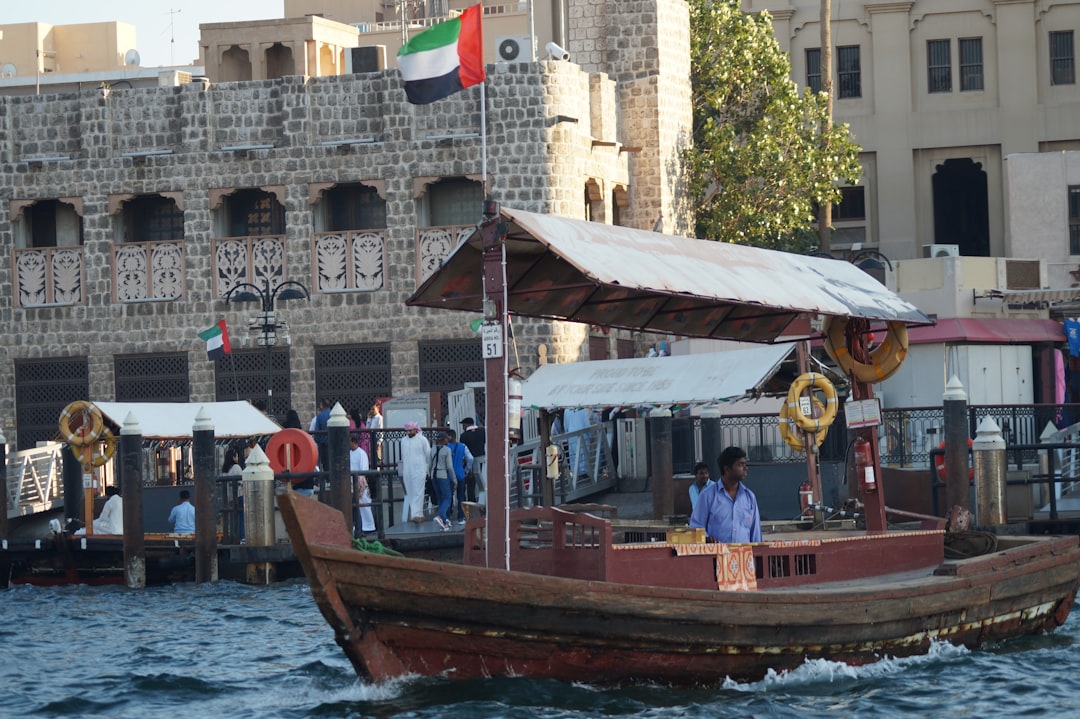
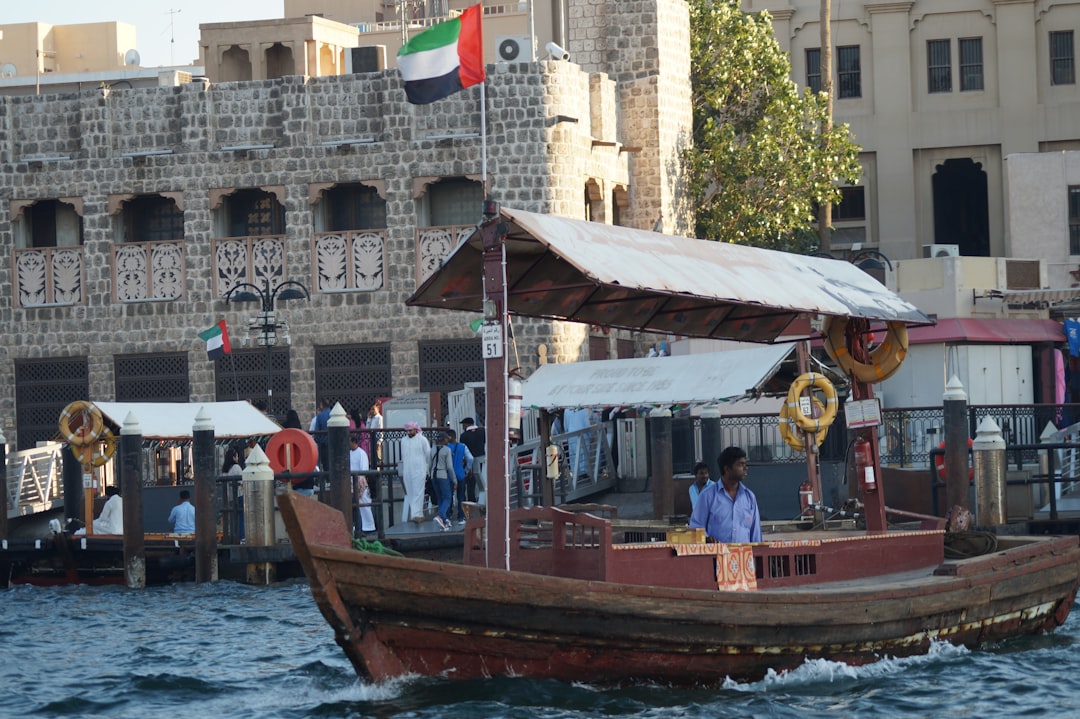
Planning to explore Dubai Traditional Dhow Boats? These iconic wooden vessels are far more than picturesque sights on Dubai Creek. They are floating chronicles of the emirate’s soul. Furthermore, they represent a profound maritime legacy. Their historical significance is deeply intertwined with pearl diving heritage and regional trade. Consequently, they offer a unique window into the pre-oil era.
Moreover, each dhow type served a distinct purpose. From fishing and trading to pearling and warfare, these Arabic sailing vessels were the lifeblood of the region. Their elegant forms, crafted from wood and held together by coir rope, speak volumes about Emirati ingenuity. Therefore, understanding them is key to understanding Dubai’s transformation.
At Zami Tours, trusted by 10,000+ travelers, we provide expert visa and travel services. Our 5+ years of UAE experience has assisted visitors from 50+ countries. Apply for Dubai visa online with us for a seamless journey into this rich maritime history.
Ready to Get Started?
Understanding Dubai Traditional Dhow Boats
The term “dhow” encompasses a family of traditional sailing vessels. Specifically, they have historically navigated the Arabian Peninsula, India, and East Africa. Furthermore, Dubai Traditional Dhow Boats are characterized by their distinctive features. These include lateen sails, stitched hulls, and a majestic, curved profile. Moreover, their construction was a community effort, requiring immense skill.
Key characteristics include:
- Wooden Construction: Typically using teak or other durable woods.
- Lateen Sails: Triangular sails offering excellent maneuverability.
- Stitched Planking: Hull planks sewn together with coir rope, a ancient technique.
- Minimal Nails: Iron was scarce, so wooden pegs and stitching were preferred.
Therefore, these vessels were marvels of sustainable engineering. They were perfectly adapted to the local marine environment and available resources. Consequently, they became symbols of Emirati resilience and maritime prowess.
Why Choose This Maritime Heritage?
Exploring this nautical legacy offers unparalleled cultural insights. Moreover, it connects you to the authentic roots of the United Arab Emirates. This is not just about viewing old boats. It is about understanding the spirit of a people who looked to the sea for their livelihood.
Additionally, visiting these historical landmarks provides a tangible link to the past. You can almost hear the echoes of merchants and pearl divers. Meanwhile, it offers a serene contrast to the modern cityscape. Therefore, it is a deeply enriching experience for all types of travelers.
Key benefits include:
- Gaining a deeper appreciation for Emirati culture and history.
- Witnessing living history through restored and operational vessels.
- Enjoying a unique and photogenic perspective of Dubai.
- Supporting the preservation of important cultural artifacts.
Dubai Traditional Dhow Boats Experience
Experiencing Dubai Traditional Dhow Boats today is both accessible and unforgettable. The most popular activity is a dinner cruise on Dubai Creek or Marina. Furthermore, you can see these majestic Arabic sailing vessels moored along the docks. Some have been converted into museums, like those near the Dubai Creek area.
Moreover, you can witness the Al Gaffal Dhow Race. This annual event celebrates the heritage of pearl diving. Dozens of these traditional boats compete in a spectacular display. Consequently, it is a vibrant, living tribute to the past. It perfectly encapsulates the enduring legacy of these vessels.
What to expect from a modern dhow experience:
- Stunning views of the city skyline from the water.
- Authentic Arabic cuisine and entertainment on dinner cruises.
- Opportunities for photography and learning about naval history.
- A peaceful and relaxing atmosphere away from the bustling streets.
Historical Vessel Details & Features
Each type of dhow was designed for a specific purpose. The Boom was a robust, ocean-going trader. It often featured a square stern and was used for long voyages to India and Africa. Meanwhile, the Baghlah was a larger, older trading vessel, known for its ornate carvings.
Furthermore, the Jalboot and Bateel were smaller, swift boats. They were primarily used for fishing and pearling in local waters. The Shu’ai was a sleek, fast vessel often used for communication and light transport. Therefore, the diversity of these Arabic sailing vessels highlights a sophisticated maritime economy.
Construction details were fascinating. Artisans used:
- Teak Wood: Imported from India for its durability and resistance to rot.
- Coir Rope: Made from coconut husks, used to stitch planks together.
- Fish Oil & Lime: Mixed to create a waterproof seal for the hull.
- Cotton Sails: Before modern materials, these powered the ships.
Need Expert Assistance?
Maritime Heritage Planning & Tips
Planning your visit to explore this heritage requires some forethought. First, decide on your preferred experience. Do you want a relaxing dinner cruise or a focused historical tour? Moreover, check the weather forecast. Consequently, you can choose the most comfortable time of day for your outing.
Additionally, booking in advance is highly recommended. Popular dhow cruises can fill up quickly, especially during peak tourist season. Meanwhile, remember to carry your camera. The views of the city from the water, especially at sunset, are spectacular. Therefore, preparation ensures a smooth and enjoyable experience.
Essential tips for visitors:
- Book Early: Secure your spot on a reputable cruise.
- Dress Comfortably: Light, modest clothing is appropriate.
- Verify Inclusions: Confirm if meals and transfers are included.
- Check Your Visa: Ensure your travel documents are in order with UAE immigration guidelines.
Dubai Traditional Dhow Boats Cultural Significance
The cultural significance of Dubai Traditional Dhow Boats cannot be overstated. They are the very foundation upon which modern Dubai was built. Before oil, the economy relied on sea-based activities. Furthermore, the pearl diving industry, conducted from these vessels, was a primary source of wealth.
Moreover, these Arabic sailing vessels facilitated cultural exchange. They connected Dubai with ports across the Indian Ocean. Consequently, they brought not only goods but also ideas, languages, and traditions. This heritage is a testament to the region’s long history as a global trading hub. Therefore, they symbolize openness and connectivity.
Their legacy is preserved through:
- Museums and heritage centers along Dubai Creek.
- Annual traditional dhow sailing races.
- The continued use of dhows for fishing and trade in a limited capacity.
- Their iconic status in Emirati art, literature, and national identity.
Common Maritime Heritage Mistakes
Many visitors make the mistake of overlooking this rich history. They focus solely on modern attractions. However, this means missing a crucial part of Dubai’s story. Moreover, some travelers fail to plan their dhow cruise in advance. Consequently, they miss out on prime booking times and optimal experiences.
Another common error is not understanding the context. Simply riding a boat is not the same as appreciating its historical role. Therefore, reading about the pearl diving heritage or taking a guided tour enhances the visit significantly. Additionally, forgetting to check travel requirements and visa status can cause major disruptions.
Mistakes to avoid:
- Ignoring the historical sites in favor of only modern malls.
- Booking the cheapest cruise without checking reviews and inclusions.
- Not carrying a valid ID or passport copy for identification.
- Assuming all dhow experiences are the same; research the different types.
Expert Nautical Recommendations
For the most authentic experience, our experts recommend a combination of activities. First, visit the dhow building yards in Al Jadaf. Here, you can witness the ancient craft of dhow construction still in practice. Moreover, take a traditional abra (water taxi) across the Creek. This provides a genuine feel for the waterway’s importance.
Additionally, choose a dhow cruise that offers a cultural narrative or historical context. Meanwhile, ensure your travel documents are processed smoothly. You can explore 30-day tourist visa options for an extended stay. Consequently, you can explore this heritage at a relaxed pace.
Our top recommendations:
- Combine a Creek-side museum visit with an evening dhow dinner cruise.
- Attend the annual Al Gaffal Dhow Race if your timing aligns.
- Speak with local guides and sailors to hear personal stories.
- Use a trusted service like Zami Tours for all your visa and planning needs.
Frequently Asked Questions About Dubai Traditional Dhow Boats
How long does a Dubai Traditional Dhow Boats tour take?
A standard dhow cruise typically lasts 1-2 hours. Furthermore, museum visits may take an additional hour. Plan your visit accordingly.
What is required for a dhow cruise visit?
Required items include a booking confirmation, comfortable clothing, and a camera. Moreover, always carry a valid ID.
What is the cost of a dhow cruise experience?
Prices vary. A basic sightseeing cruise can start from AED 50. Meanwhile, dinner cruises typically range from AED 150-300 per person.
What is the best time for a dhow cruise?
The evening is highly recommended. Specifically, sunset cruises offer stunning views and cooler temperatures.
Is photography allowed on dhows?
Yes, personal photography is almost always permitted and encouraged. The scenic backdrop is ideal for photos.
Are dhow cruises family-friendly?
Absolutely. They are suitable for all ages. Furthermore, many cruises offer special menus and safe environments for children.
Final Thoughts on Dubai Traditional Dhow Boats
Furthermore, the legacy of Dubai Traditional Dhow Boats offers exceptional cultural value. Moreover, it provides profound insights into the Emirati spirit of adventure and trade. Therefore, including this heritage in your travel plans significantly enhances your Dubai experience. It connects the gleaming metropolis of today with its humble, seafaring origins.
Zami Tours is committed to making your cultural exploration seamless. We provide:
- Fast Visa Processing: Typically completed within 24-72 hours.
- Expert Travel Support: Leveraging over 5 years of UAE experience.
- Trusted Service: Having assisted over 10,000 travelers from 50+ countries.
Additionally, you can begin your journey by choosing the right visa. Apply for your Dubai visa online today to get started. Meanwhile, for any immediate questions, feel free to contact our specialists on WhatsApp. Alternatively, tourism professionals can join our agent network or access our dedicated agent portal.