


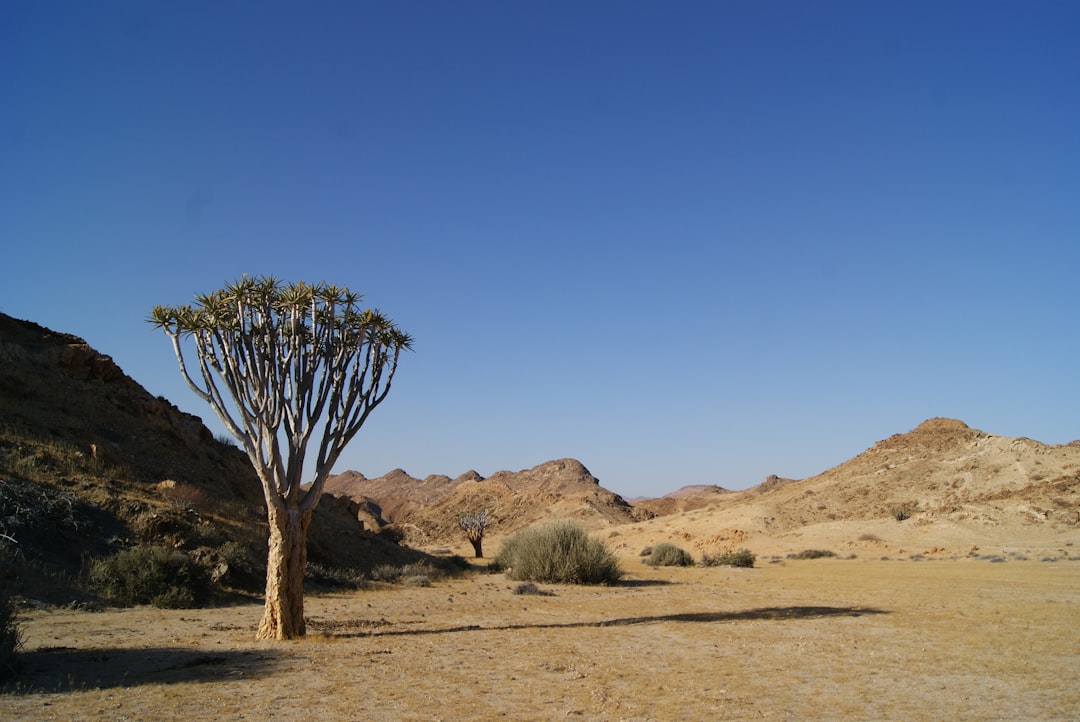

Planning to explore Al Marmoom Desert Conservation? This vast protected reserve redefines the Arabian desert experience. Moreover, it champions a new standard of responsible tourism. Consequently, visitors witness pristine ecosystems and ancient cultural heritage. This guide explains why low-impact tours are essential. Furthermore, it details how to engage with this landscape respectfully.
Al Marmoom is the UAE’s largest unfenced nature reserve. It spans over 10% of Dubai’s total land area. This conservation area protects rare species like the Arabian oryx. Additionally, it safeguards migratory bird routes and delicate dune structures. Traditional desert activities are evolving here. The focus now is on education and preservation.
Therefore, choosing an eco-conscious safari is crucial. It minimizes your environmental footprint. Meanwhile, it maximizes your connection to the desert’s true essence. This approach supports long-term conservation goals. It also ensures future generations can enjoy this unique wilderness. At Zami Tours, trusted by 10,000+ travelers, we provide expert travel planning. Our 5+ years UAE experience helped 50+ countries. Apply for Dubai visa online.
Ready to Get Started?
Understanding Al Marmoom Desert Conservation
The Al Marmoom Desert Conservation reserve is a landmark initiative. It represents a profound shift in environmental stewardship. Specifically, it integrates protection with sustainable public access. This balance is delicate. However, managed tourism funds vital conservation work. The reserve includes diverse habitats.
Key features include the Al Qudra Lakes oasis. Additionally, it encompasses the famous Love Lakes and sprawling sand dunes. This variety supports incredible biodiversity. For instance, over 260 bird species have been recorded here. Furthermore, mammal and reptile populations are recovering.
Low-impact tours are designed around this ecology. They follow strict guidelines to prevent habitat disturbance. Consequently, vehicles use designated tracks. Meanwhile, group sizes are kept small. This understanding is fundamental for any visit. It transforms a simple trip into a meaningful contribution.
- Protected Area: UAE’s largest unfenced nature reserve.
- Biodiversity Hub: Home to Arabian oryx, gazelles, and flamingos.
- Cultural Sites: Includes ancient camel racing tracks and heritage sites.
- Sustainable Focus: Core mission is conservation through education.
- Eco-Tourism Model: Tourism revenue directly funds protection projects.
- Community Role: Involves local Bedouin knowledge in guiding.
Why Choose Sustainable Desert Exploration
Selecting a low-impact desert safari offers multiple advantages. First, it significantly reduces environmental damage. Traditional dune bashing can erode fragile desert crusts. Conversely, eco-tours use modified routes. This simple change protects plant life and soil stability.
Moreover, these experiences are often more enriching. They prioritize quality of encounter over adrenaline quantity. For example, you might track animal footprints with a guide. Alternatively, you could learn about endemic Ghaf trees. Therefore, you gain deeper insight into desert survival.
Ethically, your spending supports the right initiatives. Many operators partner with conservation authorities. Consequently, a portion of your fee aids research and anti-poaching patrols. This creates a positive cycle. Your visit actively preserves the very beauty you came to see.
- Environmental Protection: Minimizes erosion and wildlife disturbance.
- Enhanced Learning: Focuses on guided education, not just thrills.
- Cultural Authenticity: Often includes genuine Bedouin storytelling.
- Support Conservation: Direct financial contribution to reserve upkeep.
- Exclusive Access: Small groups access more sensitive, beautiful areas.
- Future-Proofing: Ensures the desert remains pristine for others.
Al Marmoom Desert Conservation Experience
An authentic Al Marmoom Desert Conservation experience is transformative. It typically begins at dawn or dusk. These cooler times showcase active wildlife. Your guide will explain the reserve’s strict codes. Subsequently, you’ll journey in a suitable 4×4 vehicle. The pace is deliberate, allowing for observation.
Key activities focus on quiet engagement. For instance, you may participate in a bird-watching session at the lakes. Alternatively, you might take a guided nature walk on stabilized dunes. Furthermore, cultural elements are woven in. You could visit a sustainable camel farm. Here, you learn about the animal’s historic role.
The experience emphasizes “leave no trace” principles. All waste is carried out. Additionally, noise is kept to a minimum. This respect allows for magical moments. You might hear the call of a desert fox. Or witness the graceful flight of a houbara bustard. This is the new desert standard.
- Timing: Optimal visits are at sunrise or sunset.
- Transport: Eco-modified vehicles on designated tracks only.
- Wildlife Focus: Guided spotting of oryx, gazelles, and birds.
- Cultural Integration: Visits to heritage sites with context.
- Ethical Practices: Strict no-littering, no-feeding, low-noise policies.
- Photography: Encouraged with respect for animal distance.
Eco-Safari Details and Key Features
Modern eco-safaris in this reserve have distinct features. Firstly, operators must hold a special permit. This ensures they follow all conservation rules. Secondly, vehicles are often electric or low-emission. They are also fitted with special tires that reduce sand displacement.
Additionally, the guide’s expertise is paramount. Knowledgeable guides are trained in desert ecology. They can identify species and explain symbiotic relationships. Consequently, your tour becomes a moving classroom. Moreover, they monitor group behavior to ensure compliance.
Itineraries are carefully curated. They avoid sensitive breeding grounds during key seasons. Furthermore, they include rest stops at designated, hardened sites. These features collectively define a genuine low-impact tour. They separate it from generic desert excursions.
- Certified Operators: Look for official reserve partnership badges.
- Specialized Equipment: Use of eco-friendly vehicles and gear.
- Expert Guides: Naturalists or culturally-trained guides lead tours.
- Fixed Itineraries: Routes pre-approved by conservation management.
- Educational Content: Includes talks on geology, flora, and fauna.
- Community Benefit: Often employs and trains local residents.
Need Expert Assistance?
Planning Your Sustainable Desert Visit
Planning a responsible visit requires forethought. First, research and book your tour well in advance. Reputable eco-tours have limited slots. This controls the overall human impact. Secondly, consider the season. Winter months (November to March) are ideal. The weather is pleasant for outdoor activities.
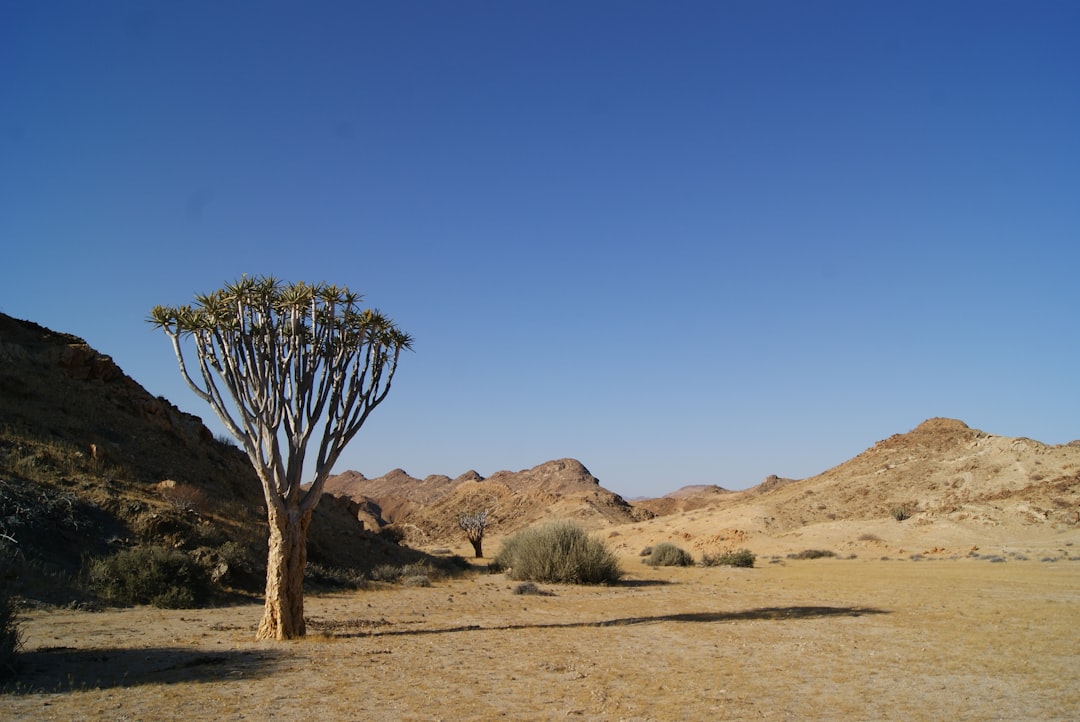
Packing appropriately is also a form of respect. Choose neutral-colored clothing to blend with the environment. Additionally, wear sturdy, closed-toe shoes. Always bring a reusable water bottle. Single-use plastics contradict the eco-mission. Furthermore, bring binoculars for enhanced wildlife viewing.
Logistically, ensure your travel documents are in order. You need a valid visa to enter the UAE. Our team can assist with a smooth application. Explore 30-day tourist visa options. Finally, adopt the right mindset. Be prepared to listen, learn, and tread lightly.
- Book Early: Secure spots with certified eco-operators.
- Seasonal Timing: Visit between November and March.
- Respectful Attire: Wear neutral colors and comfortable shoes.
- Sustainable Kit: Reusable bottle, binoculars, camera.
- Documentation: Ensure passport and visa are valid.
- Mindset: Arrive as a mindful observer, not just a consumer.
Al Marmoom Desert Conservation Cultural Significance
The Al Marmoom Desert Conservation area is not just ecological. It is a cultural repository. The land holds traces of ancient Bedouin life. For centuries, these communities thrived in harmony with the desert. Their knowledge is invaluable. Modern conservation efforts now integrate this wisdom.
Within the reserve, you find heritage sites like old camel racing tracks. Additionally, there are archaeological findings. These elements tell a story of adaptation and resilience. Low-impact tours often include narratives from this perspective. Consequently, visitors appreciate the deep human connection to the desert.
This cultural layer enriches the conservation mission. It’s not only about saving species. It’s also about preserving a way of life and its history. Therefore, your visit supports this holistic preservation. You help keep stories and traditions alive alongside wildlife.
- Bedouin Heritage: Land of traditional navigation and survival knowledge.
- Archaeological Sites: Protected areas contain historical artifacts.
- Camel Culture: Highlights the camel’s integral role in UAE history.
- Storytelling Tradition: Guides share oral histories and folklore.
- Living Landscape: Shows how culture is shaped by environment.
- Intergenerational Knowledge: Links ancient practices to modern science.
Common Eco-Safari Mistakes to Avoid
Many travelers unintentionally undermine conservation efforts. A common mistake is choosing the cheapest tour. Often, these operators bypass permit requirements. Consequently, they may drive off-track and damage habitats. Therefore, always verify operator credentials.
Another error is disregarding guide instructions. For example, leaving the group to get a closer photo. This can stress animals and trample vegetation. Similarly, playing loud music disrupts wildlife. Always maintain a quiet, respectful demeanor.
Furthermore, neglecting proper waste disposal is critical. Never leave any litter, including biodegradable items like fruit peels. They can introduce non-native seeds or harm wildlife. Finally, avoid touching or feeding any animals. This alters their natural behavior and can be dangerous.
- Price Over Principles: Choosing uncertified budget operators.
- Ignoring Guidelines: Straying from paths or disturbing wildlife.
- Noise Pollution: Playing music or being excessively loud.
- Improper Disposal: Leaving any form of litter behind.
- Interacting with Wildlife: Attempting to touch or feed animals.
- Overlooking Preparation: Not bringing water, sun protection, or proper attire.
Expert Recommendations for Your Journey
For an optimal experience, follow these expert tips. First, extend your engagement beyond the safari. Visit the Al Marmoom Desert Conservation outpost or visitor center. Here, you can learn about ongoing research. Additionally, consider volunteering for a clean-up drive.
Secondly, support local businesses. Purchase handicrafts from Bedouin cooperatives. Alternatively, dine at cafes that source locally. This spreads the economic benefits of tourism. Moreover, it fosters community support for conservation.
Finally, share your experience responsibly on social media. Highlight the eco-friendly practices of your tour. Tag the reserve and use relevant hashtags. However, avoid geotagging exact sensitive locations. This prevents overcrowding. For seamless travel planning, leverage expert networks. Join agent network for professional support. Access agent portal for dedicated services.
- Deepen Learning: Visit reserve education centers.
- Support Local: Buy from community-based enterprises.
- Responsible Sharing: Promote eco-tourism online wisely.
- Consider Volunteering: Join organized conservation activities.
- Use Trusted Partners: Rely on experienced agencies for visas and tours.
- Provide Feedback: Share your experience with operators to help them improve.
Frequently Asked Questions About Al Marmoom Desert Conservation
How long does an Al Marmoom Desert Conservation tour take?
Most eco-safaris last 4-6 hours. This includes transport, guided activities, and breaks. Full-day immersive experiences are also available. Plan your visit with adequate time.
What is required for a desert conservation visit?
Required items include a valid visa, booking with a certified operator, sun protection, and reusable water. Modest, comfortable clothing is also advised.
What is the cost of an eco-safari experience?
Prices vary by operator and tour length. Typically, they range from AED 300 to 600 per person. This often includes guide services and refreshments.
When is the best time for a desert safari?
The cooler months from October to April are ideal. Morning or late afternoon starts are best for wildlife activity and comfortable temperatures.
Is photography allowed in the reserve?
Yes, photography for personal use is encouraged. However, use zoom lenses for wildlife. Avoid using flash, as it can disturb animals.
Is the Al Marmoom reserve family-friendly?
Absolutely. It is an excellent educational destination for children. Many tours offer family-friendly commentary and activities. Always check age suitability with the operator.