


Dubai 20-Minute City Neighborhoods represents the future of urban living. This transformative urban model prioritizes hyper-accessibility and walkability. Planning to explore or relocate to Dubai demands understanding this concept. Furthermore, it redefines convenience by clustering essential services within a short walk or cycle. Moreover, it significantly reduces reliance on cars. Therefore, daily life becomes more efficient and sustainable. Additionally, it enhances overall well-being and community connection.
The urban planning shift aligns with global sustainability goals. Consequently, Dubai is implementing this vision aggressively. Specifically, neighborhoods are being designed or retrofitted for this purpose. Meanwhile, property values in such zones are rising steadily. Thus, choosing the right area is a crucial investment decision. Subsequently, this guide provides essential insights for savvy residents and investors.
2026 marks a pivotal point in Dubai’s urban evolution. This aligns with the Dubai Urban Plan 2040. Furthermore, residents gain precious time back from commuting. For travelers and new expatriates, the benefits are immense. Therefore, selecting a walkable neighborhood impacts daily quality of life. It also influences long-term financial returns on property.
Practical implications of this model are profound. It revolutionizes how people interact with their city. Stakeholders benefit from increased foot traffic and local economic vitality. Moreover, health outcomes improve with active transportation. Consequently, these neighborhoods become highly desirable. They offer a blend of luxury, convenience, and community rarely found elsewhere.
At Zami Tours, trusted by 10,000+ travelers, we provide expert guidance on Dubai living and visa processes. Our 5+ years of UAE experience has assisted clients from 50+ countries. Apply for your Dubai visa online to begin your journey.
Understanding Dubai 20-Minute City Neighborhoods
Dubai 20-Minute City Neighborhoods refer to self-sufficient urban districts. Furthermore, they allow residents to meet most daily needs locally. Moreover, this means work, leisure, education, and healthcare are within a 20-minute trip. Therefore, the model champions a “proximity-based” lifestyle. It effectively minimizes unnecessary travel and congestion.
Key characteristics include mixed-use zoning and pedestrian-first design. Specifically, these areas blend residential, commercial, and recreational spaces. Additionally, high-quality public spaces and cycling paths are integral. Consequently, car usage becomes optional rather than mandatory. This fosters a stronger sense of local community.
The urban framework ensures essential amenities are accessible. Meanwhile, digital infrastructure supports remote work and services. Thus, the concept extends beyond physical proximity. Subsequently, it creates resilient and adaptable communities. These neighborhoods are designed for human-scale living.
Implementation relies on strategic planning and investment. For instance, Dubai South and Downtown Dubai are prime examples. Furthermore, the government actively incentivizes such development. Moreover, private developers are aligning projects with this vision. Therefore, the real estate market is rapidly adapting.
Benefits for residents are multifaceted. First, daily time savings reduce stress. Second, lower transportation costs increase disposable income. Third, improved air quality enhances public health. Finally, local businesses thrive with consistent footfall.
Critical components of a successful 20-minute district include:
- Mixed-Use Development: Integration of homes, offices, and shops.
- Pedestrian-Centric Design: Wide sidewalks, shaded pathways, and safe crossings.
- Robust Public Transport: Metro, tram, and bus links for longer trips.
- Green Spaces: Parks and community gardens within easy reach.
- Essential Services: Schools, clinics, supermarkets, and pharmacies nearby.
- Digital Connectivity: High-speed internet enabling remote work and telemedicine.
- Community Hubs: Libraries, cafes, and co-working spaces that foster interaction.
- Sustainable Infrastructure: Energy-efficient buildings and waste management.
Ready for a Walkable Dubai Life?
Your journey starts with the right visa. Our experts streamline the application, ensuring a smooth transition to your new neighborhood. Get your visa approved fast.
Why Walkable Urban Design Matters in 2026
Walkable urban design is no longer a luxury. Instead, it is a critical component of modern city planning. Furthermore, it addresses pressing global challenges like climate change. Moreover, it responds to changing workforce dynamics post-pandemic. Therefore, cities prioritizing walkability gain a competitive edge.
Key drivers for this shift are multifaceted. Specifically, environmental concerns push for reduced carbon footprints. Additionally, public health crises highlight the need for active lifestyles. Consequently, urban planners are re-evaluating car-dependent models. This leads to more human-centric urban environments.
The economic argument for walkability is powerful. Meanwhile, studies show higher property values in walkable areas. Thus, investors see tangible financial returns. Subsequently, retail sectors benefit from increased spontaneous foot traffic. Local economies become more vibrant and resilient.
Social benefits are equally significant. First, community bonds strengthen with frequent local interaction. Second, safety improves with more “eyes on the street.” Third, accessibility enhances equity for non-drivers. Finally, cultural identity flourishes in pedestrian-friendly districts.
Technological integration accelerates this trend. For example, smart mobility apps combine walking with micro-transit. Furthermore, IoT sensors optimize traffic flow and pedestrian safety. Moreover, AI-driven urban planning can model walkability impacts. Therefore, the fusion of tech and design creates smarter districts.
Dubai’s commitment is evident in major projects. The Dubai 2040 Urban Master Plan explicitly prioritizes people over vehicles. Consequently, billions are invested in pedestrian corridors and green spaces. This strategic focus ensures long-term sustainability and livability.
- Environmental Impact: Cuts transportation emissions significantly.
- Health Outcomes: Promotes physical activity, reducing lifestyle diseases.
- Economic Vitality: Increases retail sales and property values by up to 30%.
- Time Efficiency: Saves residents hundreds of hours annually in commuting.
- Social Equity: Provides equal access for all age and income groups.
- Urban Resilience: Reduces dependency on volatile fuel supplies.
- Tourism Appeal: Creates more enjoyable, explorable destinations for visitors.
- Future-Proofing: Aligns with global ESG (Environmental, Social, Governance) standards.
Dubai 20-Minute City Neighborhoods Current Landscape
Dubai 20-Minute City Neighborhoods are evolving from concept to reality. Furthermore, several districts now exemplify this urban ideal. Moreover, both established and emerging areas are adapting. Therefore, prospective residents have diverse options. These range from bustling downtown cores to serene suburban communities.
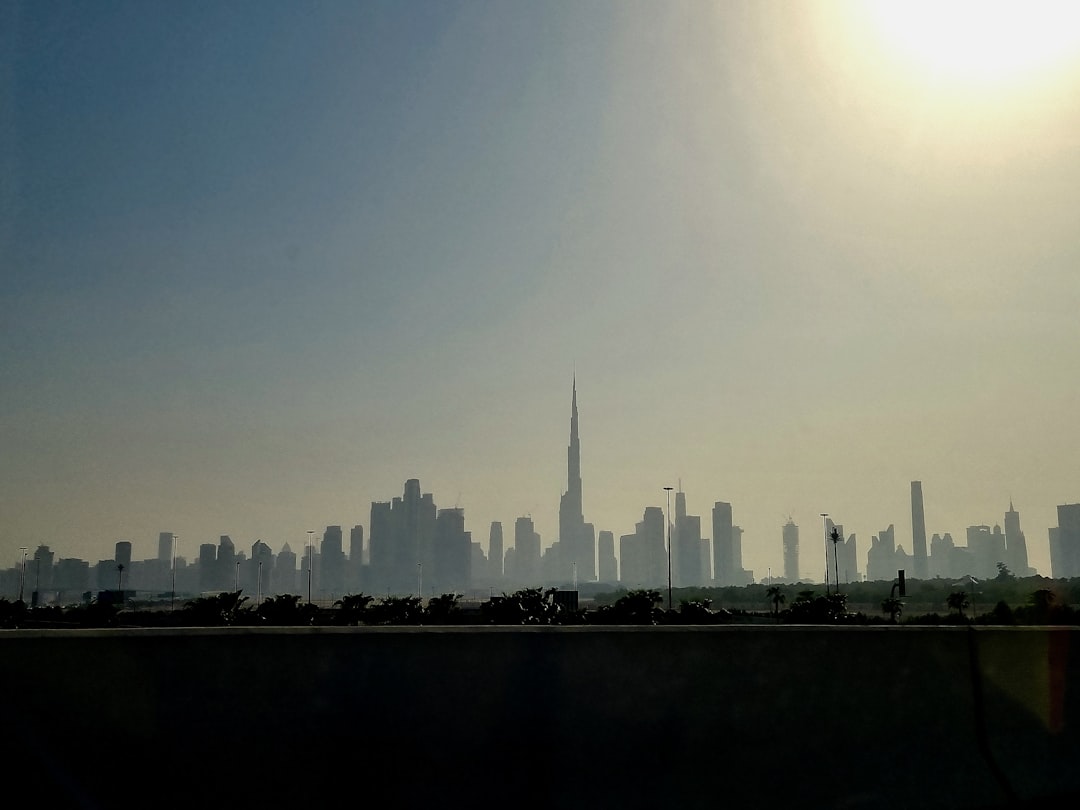
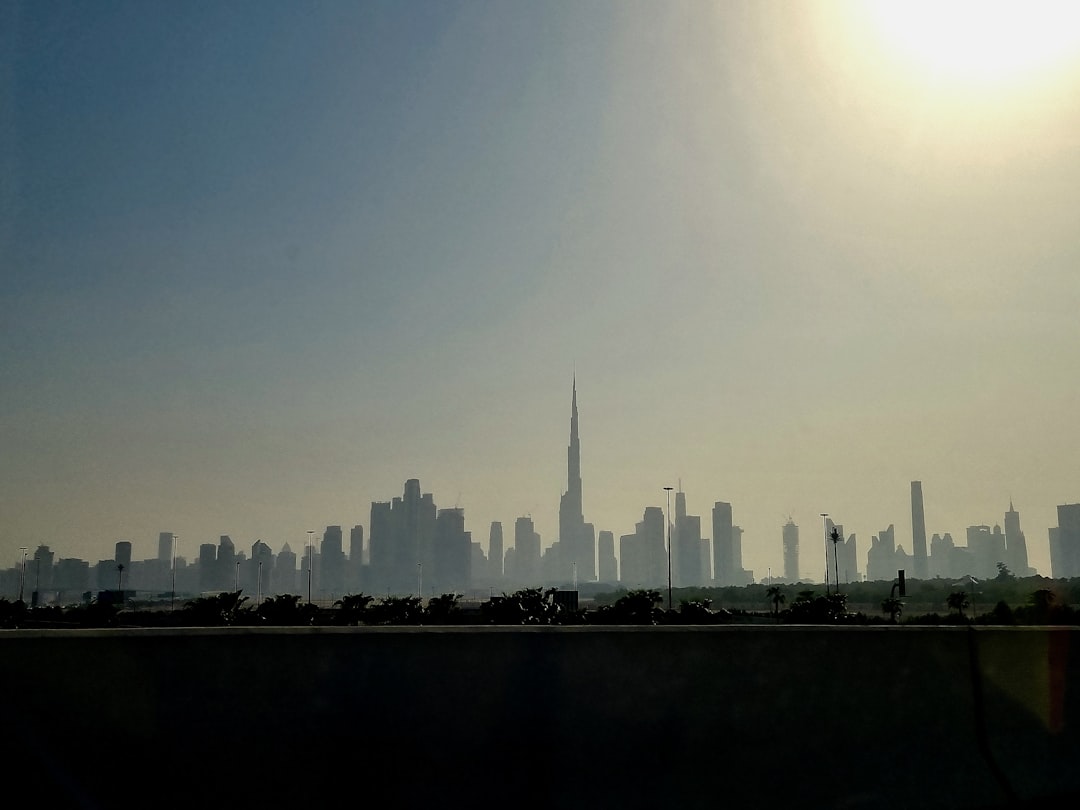
Downtown Dubai stands as a flagship example. Specifically, it concentrates world-class amenities within a compact footprint. Additionally, it offers offices, homes, shops, and leisure in one area. Consequently, it is a prime candidate for a 20-minute lifestyle. The area is continuously enhancing its pedestrian networks.
Dubai Marina and Jumeirah Beach Residence (JBR) also score highly. Meanwhile, their extensive waterfront walkways connect homes to leisure. Thus, residents enjoy beach access, dining, and retail seamlessly. Subsequently, these areas reduce the need for cross-city travel. They represent a leisure-oriented walkable model.
On the city’s periphery, Dubai South is purpose-built. First, it integrates the Expo City Dubai legacy. Second, it features Mohammed bin Rashid Aerospace Hub. Third, it includes vast residential and commercial zones. Hence, it is designed as a comprehensive 20-minute city from inception.
Emerging hotspots like Aljada in Sharjah and Dubai Hills Estate are noteworthy. Conversely, they demonstrate the model’s regional appeal. For instance, Aljada’s master plan mandates all essentials within walking distance. Similarly, Dubai Hills blends green space with urban convenience.
The current landscape is supported by policy. The Dubai Roads and Transport Authority (RTA) is expanding pedestrian and cycling infrastructure. Therefore, connectivity between neighborhoods is improving rapidly. This holistic approach ensures the model’s success at a metropolitan scale.
- Downtown Dubai: Home to Burj Khalifa, Dubai Mall, and financial centers.
- Dubai Marina/JBR: 7+ km of pedestrian promenade with full amenities.
- City Walk & La Mer: Lifestyle destinations blending retail, dining, and residences.
- Dubai South/Expo City: A future-focused city built around Expo 2020 legacy.
- Jumeirah Lakes Towers (JLT): Cluster-based community with parks and offices.
- Alserkal Avenue/Quoz: Arts-focused district with creative workspaces and cafes.
- Dubai Hills Estate: A green, family-oriented community with a town center.
- Bluewaters Island: Mixed-use island with residential, retail, and Ain Dubai.
Key Walkable District Features and Benefits
Walkable districts share distinct physical and social features. Furthermore, these features directly translate into resident benefits. Moreover, understanding them helps in evaluating neighborhoods. Therefore, a checklist of attributes is essential for potential buyers or renters.
Pedestrian infrastructure is the most visible feature. Specifically, continuous, shaded, and safe sidewalks are non-negotiable. Additionally, pedestrian priority at intersections ensures safety. Consequently, walking becomes a pleasant primary mode of transport. This infrastructure often includes aesthetic landscaping.
Land use diversity is the foundational principle. Meanwhile, zoning laws that permit mixed-use development are critical. Thus, a single building may host apartments, a clinic, and a supermarket. Subsequently, this density creates natural hubs of activity. It prevents neighborhoods from becoming dormant after business hours.
Access to green and public spaces offers mental health benefits. First, parks provide venues for exercise and socializing. Second, public plazas host community events. Third, children’s play areas are vital for families. Hence, these spaces are the “living rooms” of the community.
Transport connectivity supports the model. For example, a nearby metro station handles longer journeys. Furthermore, integrated bike-share systems offer flexible options. Moreover, reliable last-mile solutions like e-scooters fill gaps. Therefore, the district connects effortlessly to the wider city.
The benefits crystallize into a superior quality of life. According to JLL research, walkable areas command premium rents. Consequently, the financial upside is clear. Meanwhile, daily life feels less rushed and more connected. This holistic advantage is the model’s ultimate selling point.
- Feature: Walk Score above 70.
- Benefit: Most errands can be accomplished on foot.
- Feature: Density of daily retail (coffee shops, grocers).
- Benefit: Spontaneous social interaction and convenience.
- Feature: Access to primary healthcare within 1 km.
- Benefit: Rapid medical attention and wellness support.
- Feature: Presence of high-quality public schools.
- Benefit: Safe, short commutes for children and parents.
- Feature: Abundant green space per capita.
- Benefit: Improved air quality and recreation.
- Feature: Traffic calming measures and low speed limits.
- Benefit: Enhanced safety for pedestrians and cyclists.
- Feature: Co-working spaces and business centers.
- Benefit: Ability to live and work in the same area.
- Feature: Cultural venues (cinemas, art galleries).
- Benefit: Enriched lifestyle without traveling far.
Secure Your Place in a Prime Walkable Neighborhood
Finding the perfect home starts with legal entry. Our visa specialists handle the complex paperwork, offering a 99% approval rate. Begin your seamless relocation now.
Dubai 20-Minute City Neighborhoods Requirements Process
Dubai 20-Minute City Neighborhoods involve specific living requirements. Furthermore, the process for securing a home there has steps. Moreover, understanding this process is key for newcomers. Therefore, we outline the pathway from visa to keys.
The foundational requirement is a valid residency visa. Specifically, this allows long-term rental or property purchase. Additionally, some areas may have community-specific regulations. Consequently, working with a reputable real estate agent is advised. They navigate local nuances and availability.
Financial readiness is the next critical step. Meanwhile, budget for a premium; walkability commands higher prices. Thus, securing pre-approval for a mortgage if buying is wise. Subsequently, having funds for agency fees and deposits is essential. These typically range from 5-10% of annual rent.
Documentation for renting or buying is standardized. First, you need passport copies and visa pages. Second, Emirates ID application is mandatory. Third, proof of income or bank statements is required. Hence, organization accelerates the process significantly.
The selection process should prioritize walkability metrics. For instance, use apps to measure actual walking times to amenities. Furthermore, visit the neighborhood at different times to gauge noise and activity. Moreover, test the public transport links personally. Therefore, due diligence ensures the area matches your lifestyle.
Finally, the legal process involves contracts and registrations. The Dubai Land Department (DLD) oversees all property transactions. Therefore, ensuring your contract is registered with DLD is crucial for protection. This final step formalizes your place in a walkable community.
- Step 1: Obtain a UAE residency visa (employment, investor, or remote work).
- Step 2: Define budget (rent or purchase) accounting for walkability premium.
- Step 3: Engage a certified real estate agent specializing in walkable districts.
- Step 4: Shortlist properties using walkability scores and personal visits.
- Step 5: Secure necessary documentation (passport, visa, Emirates ID, proof of income).
- Step 6: Negotiate terms and review the tenancy or sales contract thoroughly.
- Step 7: Register the contract with Ejari (for rent) or DLD (for purchase).
- Step 8: Connect utilities (DEWA, internet) and move in.
Walkable Living Cost Analysis and Pricing
Living in a walkable district involves a distinct cost structure. Furthermore, understanding this financial landscape is crucial for budgeting. Moreover, the premium for convenience is offset by savings elsewhere. Therefore, a holistic cost-benefit analysis is necessary.
Housing costs represent the most significant premium. Specifically, apartments in Downtown Dubai can cost 20-40% more than similar units in car-dependent suburbs. Additionally, purchase prices per square foot are markedly higher. Consequently, the initial investment is substantial. However, this is balanced by stronger capital appreciation.
Conversely, transportation expenses plummet. Meanwhile, a household might eliminate one or even two cars. Thus, savings on loan payments, insurance, fuel, and parking arise. Subsequently, these savings can amount to AED 30,000-60,000 annually. This directly offsets higher housing costs.
Utilities and community fees are generally comparable. First, newer buildings in these areas are often more energy-efficient. Second, district cooling may apply. Third, community maintenance fees fund high-quality common areas. Hence, while present, these costs are not disproportionately high.
Lifestyle spending patterns often shift. For example, residents may spend more at local cafes and boutiques. Furthermore, walkability encourages spontaneous purchases. Moreover, access to free public amenities like beaches and parks increases. Therefore, discretionary spending is reallocated, not necessarily increased.
According to data from Property Finder, the long-term financial outlook is positive. Hence, the walkability premium is an investment. Properties in these areas show greater resilience during market fluctuations. This makes them a prudent choice for wealth preservation.
- Rental Premium: AED 15,000 – 40,000 extra per year vs. non-walkable areas.
- Purchase Premium: 15-30% higher price per sq. ft. for comparable units.
- Transport Savings: Up to AED 60,000/year from reduced car ownership.
- Time Value: Saving 1+ hour daily commuting = priceless quality of life.
- Appreciation Rate: Historically 1-3% higher annual growth in walkable cores.
- Community Fees: AED 5-15 per sq. ft. annually for premium amenities.
- Utility Costs: Comparable, sometimes lower due to efficient building standards.
- Health Savings: Potential reduction in long-term healthcare costs from active living.
Step-by-Step Walkable Community Implementation
Implementing a walkable community involves deliberate steps. Furthermore, both urban planners and residents play roles. Moreover, existing neighborhoods can retrofit walkability features. Therefore, the process is dynamic and collaborative.
The first step is a comprehensive neighborhood audit. Specifically, this maps existing assets and identifies “gaps” in the 20-minute framework. Additionally, it involves surveying residents about their needs. Consequently, planners gain data-driven insights. This audit forms the basis of the action plan.
Infrastructure redesign follows the audit. Meanwhile, this includes widening sidewalks and adding crossing signals. Thus, pedestrian safety and comfort are prioritized. Subsequently, cycling lanes and micro-mobility parking are integrated. These changes encourage a mode shift away from cars.
Land use policy reform is the regulatory lever. First, zoning codes must allow mixed-use development by right. Second, parking minimums for new buildings can be reduced or eliminated. Third, density bonuses can be offered for including public amenities. Hence, the legal framework incentivizes the right development.
Placemaking and activation create social pull. For instance, temporary street closures for markets test pedestrianization. Furthermore, public art installations and street furniture invite lingering. Moreover, community-led events build a sense of ownership. Therefore, the space becomes emotionally connected to its users.
Technology deployment enhances functionality. The Smart Dubai initiative provides tools like real-time parking apps. Hence, digital layers make the physical experience smoother. This integration is key for modern 20-minute cities.
Continuous evaluation ensures success. Key performance indicators (KPIs) like pedestrian counts, retail vitality, and resident satisfaction are tracked. Consequently, adjustments can be made over time. This iterative approach guarantees the community evolves with its residents’ needs.
- Phase 1: Audit & Engage – Map assets, survey residents, form stakeholder committee.
- Phase 2: Plan & Design – Create pedestrian master plan, identify quick-win projects.
- Phase 3: Infrastructure – Build sidewalks, bike lanes, traffic calming, greenery.
- Phase 4: Policy & Incentives – Reform zoning, reduce parking mandates, offer density bonuses.
- Phase 5: Activate & Animate – Launch public events, support local businesses, install public art.
- Phase 6: Integrate Technology – Deploy smart lighting, mobility apps, digital wayfinding.
- Phase 7: Monitor & Adapt – Track KPIs, gather feedback, refine strategies annually.
Dubai 20-Minute City Neighborhoods Comparison Analysis
Dubai 20-Minute City Neighborhoods offer varied experiences. Furthermore, a direct comparison highlights their unique strengths. Moreover, this analysis aids in matching a district to your personal priorities. Therefore, we examine key contenders side-by-side.
Downtown Dubai is the epitome of urban intensity. Specifically, it offers unparalleled access to iconic landmarks and luxury retail. Additionally, its walkability score is among the highest in the city. Consequently, it suits professionals and those seeking a vibrant, 24/7 environment. However, it comes with a premium price and higher density.
Dubai Marina/JBR provides a coastal walkable lifestyle. Meanwhile, the focus is on leisure, dining, and waterfront views. Thus, it attracts a younger, socially-active demographic. Subsequently, the vibe is more relaxed than Downtown but still energetic. The trade-off can be seasonal congestion along the Marina Walk.
Dubai Hills Estate represents the green, family-oriented model. First, it combines walkable town centers with extensive parkland. Second, it offers high-quality schools and clinics within the community. Third, it features lower-rise buildings and more spacious layouts. Hence, it is ideal for families prioritizing space and nature alongside convenience.
Dubai South/Expo City is the future-forward option. Conversely, it is less established but built from scratch with the 20-minute principle. For instance, its design incorporates the latest in sustainable tech and planning. Similarly, it attracts innovators and those working in adjacent sectors like logistics and aerospace.
Choosing between them depends on lifestyle and budget. Resources like Bayut’s area guides provide deep dives. Therefore, thorough research is recommended. Each district successfully delivers the core promise but with a distinct character.
- Downtown Dubai: Best for urbanites, luxury seekers, and professionals. Highest cost.
- Dubai Marina/JBR: Best for social butterflies, beach lovers, and young professionals.
- City Walk/La Mer: Best for fashion-forward residents and boutique lifestyle.
- Jumeirah Lakes Towers (JLT): Best for balanced budget and community feel among working professionals.
- Dubai Hills Estate: Best for families, nature lovers, and spacious living.
- Dubai South: Best for futurists, aviation/logistics workers, and early adopters.
- Alserkal Avenue/Quoz: Best for artists, creatives, and those in niche industries.
- Bluewaters Island: Best for those seeking iconic views and a resort-style island life.
From Dream to Dubai Address
Stop researching and start living. Our end-to-end service covers visa processing, area consultation, and settling-in support. Join a walkable community with confidence.
Common Walkable Living Challenges and Solutions
Adopting a walkable lifestyle presents specific challenges. Furthermore, anticipating these hurdles allows for better preparation. Moreover, practical solutions exist for each common issue. Therefore, transitioning smoothly is entirely possible.
The primary challenge is the cost premium. Specifically, upfront housing costs can be daunting. Additionally, competition for properties in these areas is fierce. Consequently, securing a suitable home requires patience and readiness. However, flexible budgeting and exploring slightly peripheral buildings within the district can help.
Summer heat is a unique regional challenge. Meanwhile, walking outdoors from June to September can be uncomfortable. Thus, the quality of shaded pathways and indoor connections becomes critical. Subsequently, choosing a neighborhood with climate-controlled pedestrian links (like Downtown’s underground boulevards) is a key solution.
Perceived lack of privacy comes with higher density. First, living in a vibrant area means more people around. Second, balconies and windows may face busy streets. Third, community amenities are shared. Hence, selecting a unit on a higher floor or a quieter interior courtyard can mitigate this.
Dependence on local businesses has a flip side. For example, limited retail options could lead to monotony. Furthermore, prices at convenience-oriented stores may be higher. Moreover, niche products might require a longer trip. Therefore, evaluating the diversity and quality of local retail before committing is vital.
Navigating bureaucratic processes can be complex. Fortunately, platforms like the Dubai Now app centralize government services. Hence, tasks like Ejari registration or utility setup become manageable digitally. Leveraging such tools reduces administrative friction significantly.
- Challenge: High rental/purchase prices.
- Solution: Consider smaller units, older buildings in the same area, or upcoming adjacent zones.
- Challenge: Extreme summer heat.
- Solution: Prioritize areas with covered walkways, skybridges, or short indoor transitions between buildings.
- Challenge: Noise and bustle.
- Solution: Opt for units facing away from main streets, use soundproofing, and enjoy the energy as a perk.
- Challenge: Limited parking (by design).
- Solution: Embrace car-free living or use paid monthly parking in nearby dedicated facilities if you keep a vehicle.
- Challenge: “Echo-chamber” effect of a dense community.
- Solution: Actively use the excellent metro system to explore other parts of Dubai regularly.
- Challenge: Initial setup of utilities and contracts.
- Solution: Use a reputable relocation agent or your real estate agency’s settling-in service.
Walkable Districts vs. Traditional Suburban Alternatives
Choosing between walkable districts and traditional suburbs is a fundamental decision. Furthermore, each model caters to different values and life stages. Moreover, the trade-offs are significant and personal. Therefore, a clear comparison informs a better choice.
Walkable districts excel in time efficiency and convenience. Specifically, daily errands and commutes are measured in minutes, not hours. Additionally, they offer rich, diverse experiences on your doorstep. Consequently, life feels more dynamic and engaged. However, this comes with less private space and higher density.
Traditional suburbs like Arabian Ranches or The Springs offer space and tranquility. Meanwhile, they provide larger villas, private gardens, and community pools. Thus, they are ideal for families seeking room for children to play. Subsequently, the lifestyle is more insular and car-dependent. Long drives for work or shopping are routine.
Financial structures differ markedly. First, suburbs may have lower base housing costs per square foot. Second, they necessitate multiple car ownership, adding substantial fixed expenses. Third, walkable areas save on transport but charge more for location. Hence, the total cost of living requires a nuanced calculation.
Social and community interaction patterns vary. In walkable areas, interaction is often spontaneous and casual. Conversely, suburban communities may rely more on planned gatherings within gated compounds. Therefore, your preference for organic versus structured socializing plays a role.
Environmental impact is a growing consideration. Walkable living drastically reduces your household’s carbon footprint. According to the Dubai Electricity and Water Authority (DEWA), denser urban living is more resource-efficient per capita. Therefore, it aligns with a more sustainable personal ethic.
- Walkable District (Pros): Time savings, reduced transport costs, vibrant street life, health benefits, sustainability, high property appreciation.
- Walkable District (Cons): Higher upfront cost, less private space, potential noise, summer heat challenges.
- Traditional Suburb (Pros): More living space, privacy, quieter environment, often better for large families/pets, sense of exclusivity.
- Traditional Suburb (Cons): Car dependency, long commutes, higher transportation costs, isolation, fewer spontaneous experiences.
- Verdict for Singles/Young Couples: Walkable districts typically win for lifestyle and networking.
- Verdict for Families with Teens: Can go either way based on priority for space vs. independence for teens.
- Verdict for Empty Nesters: Often shift back to walkable districts for convenience and cultural access.
Future Dubai 20-Minute City Neighborhoods Trends 2026-2030
Dubai 20-Minute City Neighborhoods will evolve with new trends. Furthermore, several key developments will shape their future. Moreover, anticipating these trends offers a strategic advantage. Therefore, forward-looking residents and investors should take note.
Hyper-mixed-use developments will become the standard. Specifically, new projects will integrate residential, office, retail, healthcare, and education vertically. Additionally, these “vertical neighborhoods” will maximize land use. Consequently, walkability will extend upwards within single towers or complexes. This model is already seen in projects like The Pad.
Climate-resilient design will be paramount. Meanwhile, architects will innovate with year-round walkability. Thus, fully climate-controlled pedestrian networks will expand. Subsequently, outdoor spaces will feature advanced misting, shading, and wind-channeling technologies. Walking will remain comfortable even in peak summer.
The “15-Minute City” will emerge as a more ambitious goal. First, technological and planning efficiencies will shrink the target time. Second, AI-powered urban management will optimize service locations. Third, hyperlocal delivery drones and robots could serve remote corners. Hence, convenience will reach unprecedented levels.
Community-centric data ecosystems will personalize the experience. For instance, neighborhood apps will suggest optimal walking routes based on real-time congestion and weather. Furthermore, they will facilitate hyperlocal commerce and social connections. Moreover, feedback will directly inform municipal services. Therefore, districts will become smarter and more responsive.
New zones will emerge as walkability pioneers. Areas around the extended Dubai Metro lines, like Dubai Creek Harbour, will be designed accordingly. Insights from Dubai Chamber of Commerce suggest strong investor interest in these future-ready districts. Hence, geographic options will continue to expand.
- Trend 1: Vertical Urbanism – Skybridges connecting towers, creating elevated pedestrian cities.
- Trend 2: AI-Optimized Amenity Placement – Using big data to position services where demand is highest.
- Trend 3: Mobility-as-a-Service (MaaS) Integration – Seamless app combining walking, biking, e-scooters, and taxis.
- Trend 4: Circular Economy Micro-Hubs – Local recycling, repair cafes, and sharing libraries within neighborhoods.
- Trend 5: Health-Integrated Design – Built-in fitness trails, public gym equipment, and wellness wayfinding.
- Trend 6: Dynamic Zoning – Streets that change use based on time of day (e.g., delivery zone by morning, cafe seating by evening).
- Trend 7: Community Energy & Food Production – Rooftop solar gardens and hydroponic farms serving local needs.
- Trend 8: Experiential Retail – Local shops focusing on experiences (workshops, tastings) that cannot be replicated online.
Expert Walkable Community Implementation Tips
Succeeding in a walkable community requires an adaptive mindset. Furthermore, experts recommend specific strategies to maximize the benefits. Moreover, these tips enhance the experience from day one. Therefore, adopt them to thrive in your new neighborhood.
Embrace the “local first” mentality. Specifically, commit to exploring and patronizing businesses within your 20-minute radius. Additionally, introduce yourself to shop owners and neighbors. Consequently, you build a support network and become part of the community fabric. This mentality is the social fuel of walkable districts.
Invest in quality “walkability gear.” Meanwhile, comfortable, breathable footwear is essential. Thus, consider clothing suited for the climate during walks. Subsequently, a good backpack or tote bag for groceries replaces car trunks. These simple tools make daily walking effortless and enjoyable.
Master the micro-mobility options. First, download apps for local bike-share, e-scooter, and ride-hail services. Second, familiarize yourself with their parking zones to avoid fines. Third, combine walking with a quick scooter ride for longer errands. Hence, you expand your effective range without a car.
Optimize your home for the lifestyle. For example, since you’ll carry groceries, a foldable grocery cart can be a game-changer. Furthermore, smaller, more frequent shopping trips mean you need less bulk storage. Moreover, a well-placed bench near your entry helps with putting on shoes. Therefore, small home adjustments yield big convenience gains.
Stay informed and engaged. Join community social media groups or neighborhood apps. Resources like Zami Tours’ Dubai Blog offer ongoing local insights. Hence, you stay updated on new openings, events, and community news. Active participation enriches your living experience.
- Tip 1: Do a “Walk Audit” – Before signing a lease, walk from the property to key amenities at different times to test real-world conditions.
- Tip 2: Downsize Your Car or Ditch It – Consider switching to a car-sharing service or using rental cars only for weekend getaways.
- Tip 3: Create a “Walkable Radius” Map – Mark all essential services on a digital map to visualize your new world.
- Tip 4: Establish New Routines – Replace a morning drive with a walk to a local cafe for coffee.
- Tip 5: Get a Local SIM/Plan – Ensure strong mobile data coverage for maps, payments, and apps while out and about.
- Tip 6: Learn Basic Maintenance – Know how to fix a bike tire or basic e-scooter issues to avoid being stranded.
- Tip 7: Advocate for Improvements – Use official channels to report broken sidewalks or suggest new crossings; be an active citizen.
- Tip 8: Be Patient & Social – It takes time to learn the rhythms of a new neighborhood. Say hello, smile, and engage.
Frequently Asked Questions (FAQ)
What exactly is meant by “Dubai 20-Minute City Neighborhoods”?
These are urban areas where residents can access work, schools, shops, healthcare, and leisure within a 20-minute walk, cycle, or short ride.
Which Dubai neighborhood is the most walkable right now?
Downtown Dubai currently ranks highest due to its extreme density of amenities and pedestrian infrastructure around Burj Khalifa.
Is a car necessary if I live in one of these areas?
No, a car is not necessary for daily life. However, many residents keep one for weekend trips or use car rental services occasionally.
How do I find out the walkability score of a specific area?
Use online tools like Walk Score or consult with local real estate agents who have hyper-local knowledge of pedestrian routes and amenities.
Are there affordable options within Dubai 20-Minute City Neighborhoods?
Yes, older buildings in Jumeirah Lakes Towers (JLT) or certain parts of Dubai Marina offer relatively more affordable rents while maintaining good walkability.
What is the biggest drawback of living in a walkable district?
The primary trade-off is cost, as these areas command a significant premium in rent or purchase price compared to car-dependent suburbs.
How does the 20-minute city concept handle the extreme summer heat?
Design features like shaded walkways, skybridges, underground connections, and misting systems are increasingly integrated to ensure year-round comfort.
Can I apply for a visa if I plan to live and work remotely from such a neighborhood?
Absolutely. The UAE’s Remote Work Visa and Freelancer Visa are perfect for this lifestyle. Start your application here.
Conclusion
Dubai 20-Minute City Neighborhoods offer a transformative blueprint for urban living. Furthermore, they deliver tangible benefits in time, health, finance, and community. Moreover, this model is central to Dubai’s sustainable future. Therefore, choosing to live in one is an investment in quality of life.
The landscape in 2026 is rich with options. From the iconic pulse of Downtown to the green serenity of Dubai Hills, a walkable lifestyle awaits. Consequently, the decision is not if, but which. Subsequently, thorough research and personal visits are essential final steps.
Ultimately, embracing this model means trading space for time and isolation for connection. It represents a conscious choice for a more engaged, efficient, and sustainable life in one of the world’s most dynamic cities. The future of Dubai is walkable.
Ready to make your move? Begin with the essential first step: securing your visa. With Zami Tours, you gain a partner with proven expertise, making your transition to a walkable Dubai neighborhood seamless and successful. Click here to apply for your visa and start your new life today.