


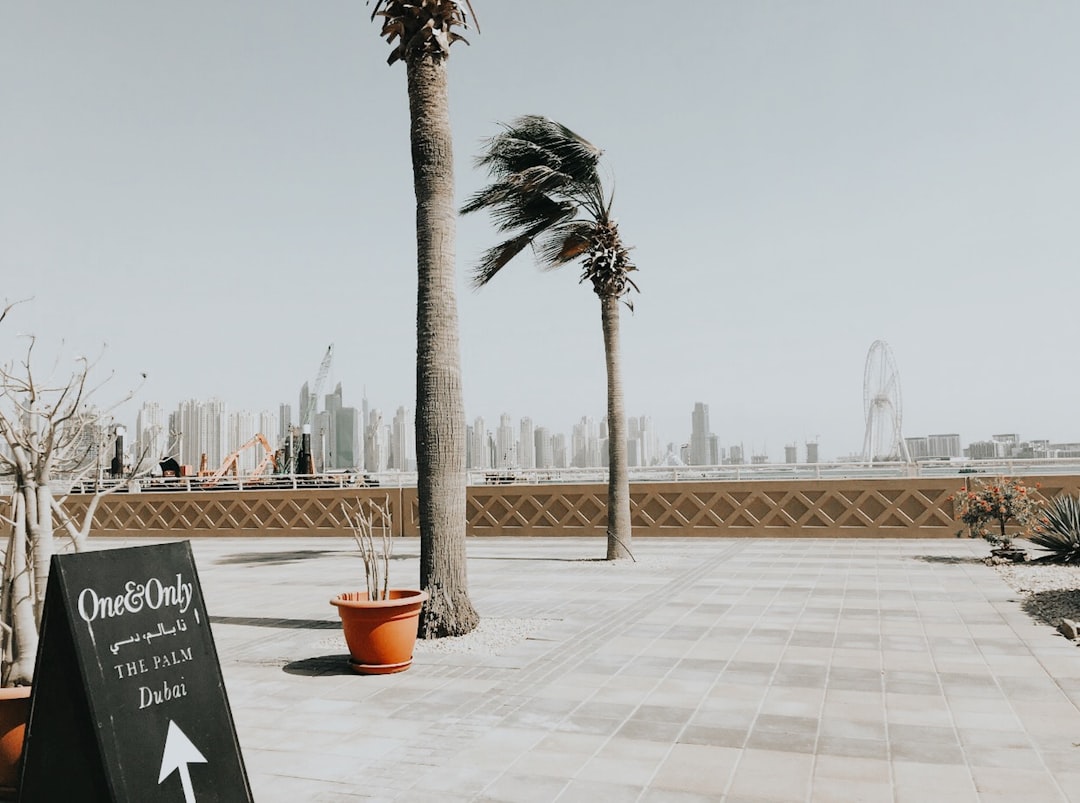

Dubai Digital Nomad Setup represents the future of location-independent entrepreneurship. Planning to explore this dynamic opportunity requires a clear roadmap. Furthermore, the UAE’s Virtual Work Visa serves as the foundational key. Moreover, 2026 promises enhanced digital infrastructure and regulatory ease. Therefore, establishing a mainland business hub is more accessible than ever. Additionally, this guide provides the strategic insights you need for success.
The convergence of progressive policy and global connectivity creates a unique moment. Consequently, professionals worldwide can anchor their operations in a thriving metropolis. Specifically, Dubai offers zero income tax and world-class facilities. Meanwhile, the global remote work trend continues to accelerate. Thus, securing your position in this ecosystem is a prudent strategic move.
2026 marks a pivotal year for digital nomad infrastructure in the Emirate. This aligns with Dubai’s broader economic diversification strategy, D33. Furthermore, government services are becoming fully digitized and seamless. For travelers and entrepreneurs, the process is increasingly streamlined. Therefore, the bureaucratic friction of business setup is significantly reduced.
Practical implications for digital nomads are profoundly positive. It revolutionizes the concept of a home base, blending flexibility with stability. Stakeholders benefit from unmatched connectivity and a pro-business environment. Moreover, the ability to sponsor family members adds a layer of long-term appeal. Consequently, the decision transcends mere logistics, becoming a lifestyle upgrade.
At Zami Tours, trusted by 10,000+ travelers, we provide expert UAE visa and business setup guidance. Our 5+ years of UAE experience has helped clients from 50+ countries. Apply for your Dubai visa online with our dedicated support team today.
Understanding Dubai Digital Nomad Setup
Dubai Digital Nomad Setup refers to the legal and operational process for remote workers. Furthermore, it involves utilizing the UAE’s residency visa framework for location-independent professionals. Moreover, this means establishing a legal presence without the traditional constraints of local employment. Therefore, individuals can live in Dubai while working for companies or clients abroad.
Key characteristics include residency without mandatory local sponsorship. Specifically, the Virtual Work Visa is a self-sponsored permit. Additionally, it grants access to essential services like banking and telecommunications. Consequently, nomads gain stability without sacrificing their global operational freedom.
The legal framework ensures compliance with UAE immigration and regulatory laws. Meanwhile, the economic context favors digital entrepreneurs and freelancers. Thus, setting up is a formal entry into a high-growth market. Subsequently, this opens doors to networking and local opportunities.
Furthermore, the setup differs from a freelance permit or a full mainland company. Instead, it is a residency-first approach. Moreover, it is designed for those with established remote income. Therefore, the primary requirement is proof of sustainable earnings from outside the UAE.
Choosing the mainland as a hub offers distinct advantages. Specifically, it allows direct engagement with the local market should you choose to expand. Additionally, mainland companies can trade freely across the UAE. Consequently, the setup is future-proof for business scalability.
Ultimately, this understanding forms the bedrock of a successful transition. Meanwhile, overlooking key details can lead to complications. Thus, professional guidance is highly recommended for a smooth process.
- Legal residency for remote employees and freelancers.
- Self-sponsored visa under the Virtual Work program.
- Pathway to open local bank accounts and secure leases.
- Requires proof of overseas employment or business ownership.
- Valid for one year, with renewal options available.
- Allows sponsorship of family members (spouse and children).
- Does not permit working for UAE-based companies directly.
- Serves as a stepping stone to a full mainland business license.
Why the Virtual Work Visa Matters in 2026
The global workforce is undergoing a permanent structural shift. Consequently, nations are competing fiercely for high-value remote talent. Specifically, Dubai’s proactive visa policy positions it at the forefront of this competition. Moreover, 2026 will see this competition intensify with more digital services.
First, the visa provides unparalleled legal clarity for digital nomads. Previously, many worked on tourist visas, which carried compliance risks. Therefore, the Virtual Work Visa legitimizes and secures their status. Meanwhile, other global hubs are tightening or confusing their remote work rules.
Second, it aligns with Dubai’s vision to become a global tech and innovation capital. By attracting skilled digital professionals, the city injects diversity and expertise into its economy. Furthermore, these individuals spend on housing, education, and leisure locally. Thus, they contribute significantly to the domestic economy without displacing local jobs.
Third, the visa matters because of its unique link to business setup. It is not an endpoint but a strategic gateway. Additionally, holders can network, understand the market, and then formally establish a company. Consequently, the risk of launching a blind business venture is minimized.
Fourth, geopolitical and economic stability in the UAE is a major factor. In a world of uncertainty, Dubai offers safety, modern infrastructure, and connectivity. Hence, for nomads seeking a reliable base, it becomes a top-tier choice. Meanwhile, its central location bridges time zones between East and West.
Finally, the visa simplifies complex administrative processes. The application is primarily online, with clear documentation requirements. Therefore, the barrier to entry is lowered significantly. Subsequently, this ease of access is expected to improve further by 2026.
- Offers legal residency and closes tourist visa loopholes.
- Attracts global talent to fuel Dubai’s knowledge economy.
- Acts as a low-risk testing ground for future business expansion.
- Provides stability in a central, globally-connected location.
- Features a streamlined, digitally-driven application process.
- Enhances quality of life with access to world-class amenities.
- Creates a community of like-minded international professionals.
- Future-proofs your career against local market volatility.
Dubai Digital Nomad Setup Current Landscape
The current landscape for Dubai Digital Nomad Setup is characterized by rapid evolution and increasing formalization. Furthermore, government entities like the General Directorate of Residency and Foreigners Affairs (GDRFA) are leading this change. Moreover, the process is integrated with platforms like the GDRFA Dubai app and the ICP website. Therefore, applicants experience a more unified digital journey.
Presently, the Virtual Work Visa falls under the purview of multiple authorities. Specifically, in Dubai, it is issued by the GDRFA. Meanwhile, for other emirates, the Federal Authority for Identity, Citizenship, Customs & Port Security (ICP) is responsible. Consequently, understanding the correct portal for your chosen emirate is crucial.
The eligibility criteria have stabilized around key financial thresholds. Applicants must show a minimum monthly income, typically from $3,500 USD. Additionally, proof of employment, company ownership, or substantial freelance contracts is mandatory. Thus, the focus remains on attracting financially independent professionals.
Another landscape feature is the growing ecosystem of support services. Consequently, many licensed business setup consultancies and law firms now offer dedicated nomad visa packages. Moreover, these include assistance with document attestation, medical insurance, and Emirates ID registration. Therefore, the path is well-trodden and supported by professional expertise.
Competition from other global destinations remains strong. However, Dubai’s zero-income-tax policy and luxury lifestyle are unique selling points. Meanwhile, the cost of living, while significant, is balanced by the high quality of infrastructure. Hence, the city maintains a competitive edge in the premium nomad segment.
Looking ahead, the landscape is set for further integration. Expect tighter links between the Virtual Work Visa and the DED business licensing system. Subsequently, transitioning from nomad to business owner will become even more efficient by 2026.
- Governed by GDRFA Dubai and ICP for other emirates.
- Minimum income requirement of approximately $3,500 per month.
- Thriving ecosystem of professional facilitators and consultants.
- Digital application portals are the primary submission channel.
- High competition with other global nomad destinations.
- Strong alignment with Dubai’s economic diversification plans.
- Increasing community presence and networking events for nomads.
- Ongoing regulatory tweaks to improve user experience.
Key Virtual Work Visa Features and Benefits
Exploring the Virtual Work Visa reveals a package designed for modern professional needs. First, it grants one-year renewable residency, providing substantial stability. Furthermore, this residency allows you to legally lease property and open UAE bank accounts. Moreover, these are fundamental steps for establishing a functional life base.
Another paramount feature is the family sponsorship capability. Holders can sponsor their spouse and children under 18 years. Therefore, the visa supports a holistic relocation, not just an individual adventure. Meanwhile, the process for family visas is straightforward once the primary visa is secured.
The benefit of zero personal income tax cannot be overstated. Earnings from remote work or overseas businesses remain untaxed by the UAE. Consequently, this results in significant financial retention and simpler accounting. Additionally, there are no foreign exchange controls, allowing free movement of capital.
Access to world-class healthcare and education systems is a major advantage. Specifically, visa holders can enroll in local health insurance plans. Moreover, international schools in Dubai are among the globe’s best. Thus, the visa unlocks a high standard of living for entire families.
Operational flexibility is a core feature. The visa does not mandate a local office or sponsor. Instead, you can work from home, co-working spaces, or cafes. Hence, it preserves the essence of nomadic flexibility while providing legal backbone.
Finally, the visa acts as a gateway to broader GCC exploration. With a UAE residence visa, travel to neighboring Gulf countries becomes easier. Subsequently, this expands your regional networking and business opportunities significantly.
- One-year, renewable, self-sponsored residency permit.
- Eligibility to sponsor immediate family members.
- Zero personal income tax on global remote income.
- Right to open personal and corporate bank accounts.
- Access to UAE’s premium healthcare and education infrastructure.
- No requirement for a local office or employer sponsor.
- Serves as a stepping stone to a full business license.
- Simplifies travel within the GCC region.
Dubai Digital Nomad Setup Requirements Process
The requirements for Dubai Digital Nomad Setup are specific but straightforward for qualified individuals. Furthermore, the process is designed to be completed within a few weeks with proper preparation. Moreover, documentation is the most critical component, requiring attention to detail. Therefore, gathering and attesting documents correctly is the first major step.
First, the financial requirement is fundamental. Applicants must provide proof of a stable monthly income. Specifically, this means bank statements for the last three months showing a minimum of $3,500. Additionally, salaried employees need an employment contract and a letter from their employer.
Second, business owners and freelancers have alternative documentation paths. They must submit proof of company ownership for at least one year. Consequently, this includes trade license copies and audited financial statements. Meanwhile, freelancers can show contracts demonstrating consistent income.
Third, valid health insurance that covers the UAE is mandatory. The policy must be from a recognized provider. Moreover, it should be valid for at least the duration of the visa. Thus, arranging insurance early in the process is advisable.
The application process follows a defined sequence. It begins with an online application on the relevant government portal. Subsequently, you submit documents, pay fees, and undergo a medical fitness test. Finally, you receive entry permission, enter the UAE, and complete biometrics for the Emirates ID.
Potential hurdles include document attestation and translation. Official documents from abroad often require embassy legalization. Therefore, factoring in time and cost for this step is essential for a smooth journey.
- Passport with minimum six-month validity.
- Proof of income ($3,500+ monthly via bank statements).
- Employment contract or proof of business ownership.
- Comprehensive health insurance valid in the UAE.
- Passport-sized photographs with white background.
- Completed online application form.
- Clear criminal record certificate from home country.
- Payment for all applicable government fees.
Virtual Work Visa Cost Analysis and Pricing
Understanding the total investment required is crucial for financial planning. First, government fees constitute the fixed core of the cost. Furthermore, these include application fees, issuance fees, and Emirates ID charges. Moreover, the exact amount can vary slightly depending on the processing emirate.
Typically, the total government fees range from AED 3,000 to AED 4,000. This covers the visa stamp, medical screening, and ID card. Therefore, budgeting approximately $1,000 USD for official costs is a safe estimate. Additionally, there is a refundable security deposit for the Emirates ID card.
Second, ancillary costs are just as important to consider. Mandatory health insurance can cost between AED 1,500 to AED 5,000 annually. Consequently, the price depends on coverage level, age, and pre-existing conditions. Meanwhile, document attestation and translation services may add several hundred dollars.
Third, using a professional service provider involves consultancy fees. These experts handle the entire process, minimizing errors and delays. Their fees can range from AED 2,000 to AED 6,000. Hence, the total professional package can reach AED 10,000 to AED 15,000 all-inclusive.
Fourth, living costs are not part of the visa fee but are essential for budgeting. Dubai offers a wide range, from affordable to ultra-luxurious. Thus, researching housing, transportation, and schooling costs beforehand is imperative.
Finally, consider renewal costs after the first year. The process and fees are similar to the initial application. Subsequently, planning for this recurring expense ensures long-term sustainability in Dubai.
- Government fees: ~AED 3,000 – 4,000 ($815 – $1,090 USD).
- Health insurance: AED 1,500 – 5,000+ annually.
- Professional service fees (optional): AED 2,000 – 6,000.
- Document attestation and translation: Variable, ~AED 500 – 2,000.
- Medical test fee: Approximately AED 500 – 700.
- Emirates ID delivery fees.
- Potential courier and administrative charges.
- Renewal costs (every 1-2 years) are similar to initial fees.
Step-by-Step Visa and Business Implementation
Executing the plan requires a meticulous, step-by-step approach. First, conduct thorough research and self-assessment against the eligibility criteria. Furthermore, gather all required personal and financial documents. Moreover, begin the attestation process for foreign documents early, as it can be time-consuming.
Second, decide whether to apply independently or with a professional visa agent. For complex cases or limited time, professional help is invaluable. Therefore, select a reputable, licensed consultant with proven experience in nomad visas.
Third, initiate the official application on the correct government portal. Complete the online form accurately and upload all scanned documents. Subsequently, pay the initial application fees using a credit card. Meanwhile, prepare for the next steps, like the medical test.
Fourth, upon receiving entry permit approval, book your flight to the UAE. Within the validity period of the permit, enter the country. Then, complete the remaining in-country steps: medical fitness test and biometrics for Emirates ID. Consequently, your residence visa will be stamped in your passport.
Fifth, with residency secured, focus on establishing your operational hub. Open a personal bank account at a local or international bank. Additionally, explore co-working spaces like Letswork or Nook for a professional address. Thus, you build the practical foundations of your Dubai base.
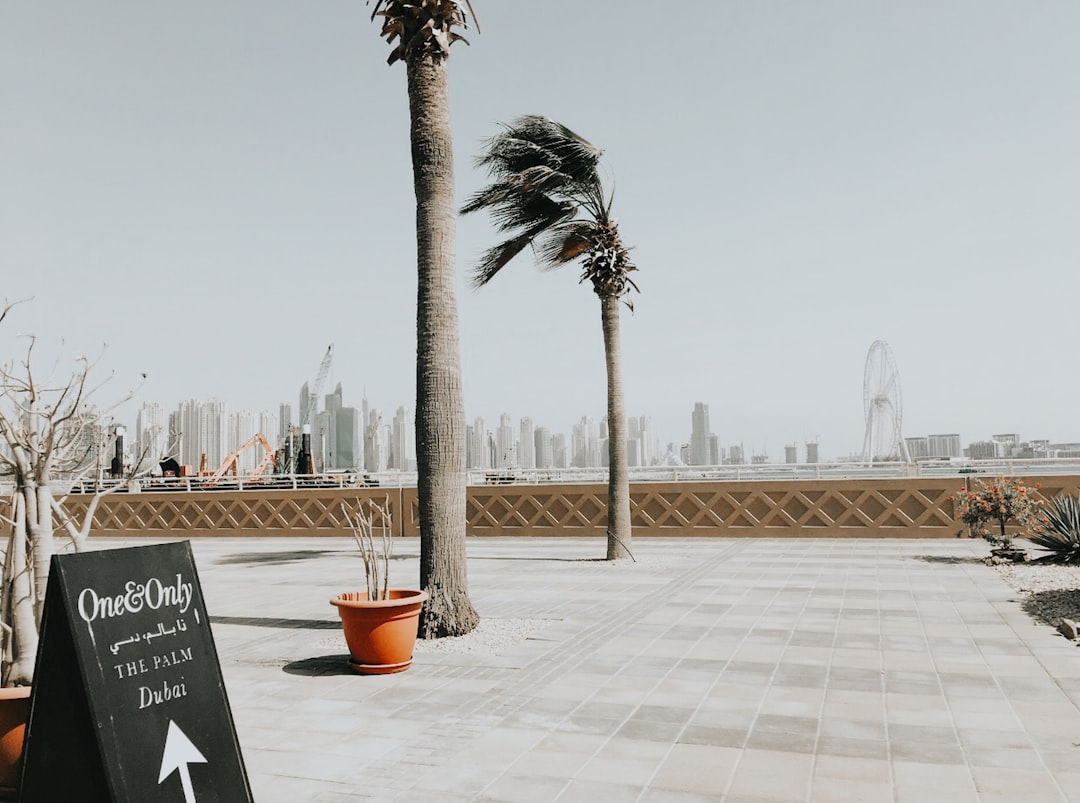
Finally, after settling in, assess the need for a formal mainland business license. Network with local entrepreneurs and understand market demands. Hence, you can transition smoothly from digital nomad to registered business owner when ready.
- Step 1: Research, document preparation, and attestation.
- Step 2: Choose DIY or professional application route.
- Step 3: Submit online application and pay fees.
- Step 4: Receive entry permit, travel to UAE.
- Step 5: Complete medical test and biometrics.
- Step 6: Receive Emirates ID and stamped visa.
- Step 7: Open bank accounts and secure workspace.
- Step 8: Explore formal business setup for future growth.
Dubai Digital Nomad Setup Comparison Analysis
A comparative analysis of Dubai Digital Nomad Setup against alternatives clarifies its unique value proposition. Furthermore, comparing it to other UAE options like Free Zone visas is insightful. Moreover, stacking it against global competitors like Portugal or Thailand reveals strategic differences. Therefore, this analysis aids in making an informed location decision.
First, versus a UAE Free Zone company visa: The Virtual Work Visa is simpler and faster. It doesn’t require licensing fees or office rental. Consequently, it’s more cost-effective for pure remote workers not serving the local market. However, a Free Zone license allows invoicing local clients, which the nomad visa does not.
Second, versus European digital nomad visas (e.g., Portugal, Spain): Dubai offers zero income tax, while European visas often lead to tax residency. Furthermore, the UAE’s process is generally quicker and more business-centric. Meanwhile, Europe offers EU travel benefits but often has higher income thresholds and complex tax implications.
Third, versus Asian hubs like Thailand or Bali: Dubai provides superior legal clarity and infrastructure. Issues with visa runs and unclear long-term status are common in some Asian destinations. Thus, Dubai wins on stability, banking ease, and long-term planning potential.
Fourth, versus maintaining a tourist visa status: The Virtual Work Visa is legally compliant and sustainable. Repeated tourist visa runs carry risk of denial and limit access to services. Therefore, the nomad visa is the only ethical and secure long-term solution.
Ultimately, the best choice depends on personal priorities: tax optimization, lifestyle, family needs, or business goals. Dubai’s setup excels for tax efficiency, luxury lifestyle, and as a gateway to emerging markets. Hence, for professionals prioritizing those factors, it is often the superior choice.
- vs. Free Zone Visa: Lower cost, faster, but no local trading.
- vs. European Visas: Zero tax vs. potential tax residency.
- vs. Asian Hubs: Better legal stability and banking access.
- vs. Tourist Visas: Full legal compliance and service access.
- Unique Selling Point: Blends tax efficiency with world-class infrastructure.
- Best For: High-earning remote professionals, families, and future business explorers.
- Weakness: Higher cost of living compared to some Asian destinations.
- Opportunity: Serves as a strategic bridge between Eastern and Western markets.
Common Setup Challenges and Practical Solutions
Anticipating challenges prepares you for a smoother transition. First, document attestation is a frequent hurdle for applicants. Foreign documents like degrees or marriage certificates need embassy legalization. Therefore, start this process months in advance using specialized agencies.
Second, meeting the income proof requirement can be tricky for freelancers. Bank statements may show variable deposits. Consequently, preparing a convincing summary of contracts and a letter from major clients is beneficial. Moreover, maintaining a consistent average above the threshold is key.
Third, choosing the right health insurance plan can be confusing. The market has vast differences in coverage and network hospitals. Thus, consulting with an insurance broker who understands visa requirements is wise. Meanwhile, ensure the policy meets the minimum criteria set by the authorities.
Fourth, navigating the banking system to open an account presents difficulties. Banks have stringent due diligence processes. However, coming in with a clear residency visa improves acceptance chances. Additionally, consider digital banks or banks familiar with expatriates as a first step.
Fifth, cultural and bureaucratic adaptation can cause initial frustration. Processes may follow different logic than in Western countries. Hence, practicing patience and seeking help from local mentors or facilitators is invaluable. Furthermore, learning basic Arabic phrases is a sign of respect and eases daily interactions.
Finally, the cost of living, especially housing, can be a shock. Researching areas thoroughly and considering shared accommodations initially can mitigate this. Subsequently, you can explore more permanent options once you are settled and familiar with the city.
- Challenge: Complex document legalization chains. Solution: Use professional attestation services early.
- Challenge: Irregular freelance income proof. Solution: Provide client contracts and a 12-month income average.
- Challenge: Selecting adequate health insurance. Solution: Consult a broker specializing in expat health plans.
- Challenge: Opening a local bank account. Solution: Apply with full visa documentation at expat-friendly banks.
- Challenge: Cultural and procedural differences. Solution: Hire a local PRO or engage a mentor.
- Challenge: High initial setup and living costs. Solution: Create a detailed budget with a 6-month buffer.
- Challenge: Understanding long-term tax implications in home country. Solution: Consult a cross-border tax advisor.
- Challenge: Family adjustment and schooling. Solution: Visit schools in advance and engage in expat community groups.
Virtual Work Visa vs. Traditional Business Alternatives
Choosing between the Virtual Work Visa and traditional business structures is a strategic decision. First, consider the intent: remote work versus active local market engagement. Furthermore, the Virtual Work Visa is designed for those with an existing external income source. Moreover, traditional alternatives like Mainland LLC or Free Zone companies are for conducting business within or from the UAE.
The Virtual Work Visa offers speed and lower upfront cost. Establishment can take weeks, not months. Therefore, it is ideal for testing the waters without major commitment. Meanwhile, a mainland company involves higher capital, office space, and a local sponsor (or agent).
Conversely, a traditional business license grants commercial rights. It allows you to sign local contracts, hire staff, and import/export goods. Consequently, for entrepreneurs aiming to serve the UAE or MENA region, it is the necessary path. However, it comes with ongoing compliance, auditing, and office costs.
Tax treatment also differs significantly. Both setups benefit from zero corporate and personal income tax on qualifying activities. Nonetheless, a licensed company may have to consider VAT registration if turnover thresholds are met. Thus, the administrative burden of a company is inherently higher.
A hybrid approach is increasingly common. Start with the Virtual Work Visa to establish residency and network. Subsequently, after validating a business idea, transition to a formal mainland or free zone license. Hence, the nomad visa acts as a low-risk market entry vehicle.
Ultimately, the choice hinges on your business model and growth ambitions. For pure remote employees, the Virtual Work Visa is perfect. For aspiring entrepreneurs targeting the local market, a traditional business setup is the definitive goal.
- Virtual Work Visa: For remote workers with external income. No local trading allowed.
- Mainland LLC: For direct trade within UAE. Requires local sponsor/agent and office.
- Free Zone Company: For import/export and service-based businesses. 100% foreign ownership.
- Cost: Visa is lower cost; traditional setups have higher capital and operational costs.
- Speed: Visa is faster to obtain; company setup involves multiple approvals.
- Flexibility: Visa offers personal mobility; a company provides commercial legitimacy.
- Pathway: Visa can lead to a company; a company already includes residency visas.
- Ideal For: Visa = employees/freelancers; Company = entrepreneurs and traders.
Future Dubai Digital Nomad Setup Trends 2026-2030
The future of Dubai Digital Nomad Setup points toward deeper integration and enhanced benefits. Furthermore, Dubai will continue to refine its offer to attract the global elite of remote professionals. Moreover, technology will play an even greater role in streamlining immigration and business services. Therefore, expect a near-frictionless digital application and management experience by 2030.
First, we anticipate the introduction of longer-term visa options. A two-year or five-year Virtual Work Visa could emerge to compete with golden visa programs. Consequently, this would provide unprecedented stability for digital nomads planning a multi-year base.
Second, integration with the metaverse and digital identity is likely. Imagine managing your visa renewal or business license through a secure digital twin. Meanwhile, blockchain could be used for instant verification of credentials and income. Thus, reducing paperwork and processing times dramatically.
Third, specialized “nomad clusters” or dedicated residential communities may develop. These would offer plug-and-play living, working, and networking environments. Additionally, they might feature bundled services like visa processing, banking, and insurance. Hence, creating a one-stop-shop for the nomadic lifestyle.
Fourth, expect stronger policy links between the nomad visa and entrepreneurship. Pathways from the Virtual Work Visa to an entrepreneur or golden visa could become standardized. Subsequently, Dubai will cement its position as a start-up launchpad for globally-minded founders.
Finally, sustainability and green initiatives will influence the nomad appeal. Dubai’s investments in clean energy and smart cities will attract eco-conscious professionals. Therefore, the city’s value proposition will expand beyond tax and luxury to include future-focused living.
- Longer-duration (2-5 year) nomad residency visas.
- Full integration with UAE digital identity and metaverse platforms.
- Development of curated co-living/co-working nomad campuses.
- Streamlined conversion paths from nomad visa to golden visa.
- Enhanced digital nomad support portals with AI-driven assistance.
- Tax treaty developments to prevent double taxation for nomads.
- Growth of niche nomad communities (tech, crypto, creatives).
- Increased focus on sustainable and smart city living features.
Expert Implementation Tips for Success
Leveraging expert advice can dramatically increase your chances of a smooth setup. First, always verify information directly on official government websites. Furthermore, rules and fees can change; relying on outdated blogs can cause costly mistakes. Moreover, bookmark the GDRFA Dubai and ICP portals for the latest updates.
Second, build a financial buffer beyond the minimum requirements. Unexpected costs always arise during relocation. Therefore, having an extra 20-30% in your budget provides crucial peace of mind. Meanwhile, this buffer can cover temporary accommodation while you search for a permanent home.
Third, network before you arrive. Join Dubai-based digital nomad and entrepreneur groups on LinkedIn and Facebook. Consequently, you gain insider advice and potentially valuable contacts. Additionally, attending virtual events can give you a feel for the community.
Fourth, consider the timing of your application. Avoid applying during major holidays like Ramadan or Eid, when government processing slows. Instead, aim for quieter periods in the business calendar. Thus, you can expect faster turnaround times on approvals.
Fifth, keep meticulous records of every submitted document and payment receipt. Create both digital and physical copies. Hence, if any query arises, you have immediate proof to resolve it quickly.
Finally, view the first year as an exploration phase. Use your residency to truly understand the market, culture, and opportunities. Subsequently, any decision to launch a formal business will be informed and data-driven, not speculative.
- Cross-reference all advice with official government sources.
- Budget a contingency fund of at least 20% over estimated costs.
- Engage with online expat and nomad communities early.
- Schedule your application outside of peak holiday periods.
- Maintain an organized file of all application documents and receipts.
- Treat the first year as a paid reconnaissance mission.
- Seek professional help for complex situations or time constraints.
- Stay compliant with visa conditions to ensure seamless renewals.
Frequently Asked Questions (FAQs)
Can I work for a UAE company on a Virtual Work Visa?
No. This visa is specifically for remote workers employed by or owning businesses outside the UAE.
How long does the Dubai Digital Nomad Setup process take?
From document preparation to visa stamping, the process typically takes 4 to 8 weeks.
Do I need to enter the UAE to apply for the visa?
You can apply from abroad. Entry is required only after the initial entry permit is approved.
Can I convert my Virtual Work Visa into a business license later?
Yes. Many nomads use this visa as a stepping stone to establish a formal mainland company.
Is there an age limit for the Virtual Work Visa?
There is no official maximum age limit, but you must meet the income and insurance criteria.
What happens if my remote job ends while on this visa?
Your visa remains valid until its expiry, but you must secure new remote income to renew it.
Can I sponsor my parents on this visa?
No. The Virtual Work Visa only allows sponsorship of a spouse and dependent children.
Do I need to prove my income every year for renewal?
Yes. Renewal requires submitting updated proof of income and valid health insurance again.
Conclusion
Establishing your professional life in Dubai as a digital nomad is a transformative strategic move. Furthermore, the Virtual Work Visa provides the legal and logistical framework for this transition. Moreover, 2026 represents an ideal inflection point with enhanced digital governance. Therefore, acting now positions you at the forefront of this evolving landscape.
The journey from application to establishing a mainland hub is clear and achievable. With careful planning, attention to requirements, and professional support, barriers are minimized. Consequently, you gain access to a dynamic, tax-efficient, and globally-connected base.
Remember, this is more than a visa; it is an opportunity to upgrade your lifestyle and business potential. The community, infrastructure, and forward-looking vision of Dubai are unparalleled. Thus, taking the first step today can redefine your tomorrow.
Ready to begin your Dubai Digital Nomad Setup? Our team at Zami Tours is ready to guide you through every step, ensuring a seamless and successful application.
Start Your Application Now
Get expert assistance with your Dubai Virtual Work Visa application. Our team handles the details so you can focus on your move. Click here to apply online today.
Need Business Setup Advice?
Exploring a mainland company after your visa? We partner with trusted business setup consultants. Contact us for an introduction.
Join Our Expat Community
Connect with fellow digital nomads and entrepreneurs in Dubai. Get insights and make friends before you land. Visit our website for community links.