


Introduction
Planning to explore the Ajman Dhow Building Yard? This historic shipyard offers a rare window into the UAE’s maritime soul. Furthermore, it showcases ancient boat-building techniques passed through generations. Moreover, it stands as a testament to Emirati resilience and ingenuity.
The yard remains a fully operational workshop. Consequently, visitors witness craftsmen shaping wood into majestic vessels. This living museum provides an unparalleled cultural encounter. Additionally, the sounds and smells create a deeply immersive experience.
At Zami Tours, trusted by 10,000+ travelers, we provide seamless UAE travel planning. Our 5+ years UAE experience helped 50+ countries. Apply for Dubai visa online.
Ready to Get Started?
Understanding Ajman Dhow Building Yard
The Ajman Dhow Building Yard represents a cornerstone of Emirati heritage. This facility continues centuries-old shipbuilding traditions. Furthermore, it operates much as it did decades ago. Therefore, it offers an authentic glimpse into the past.
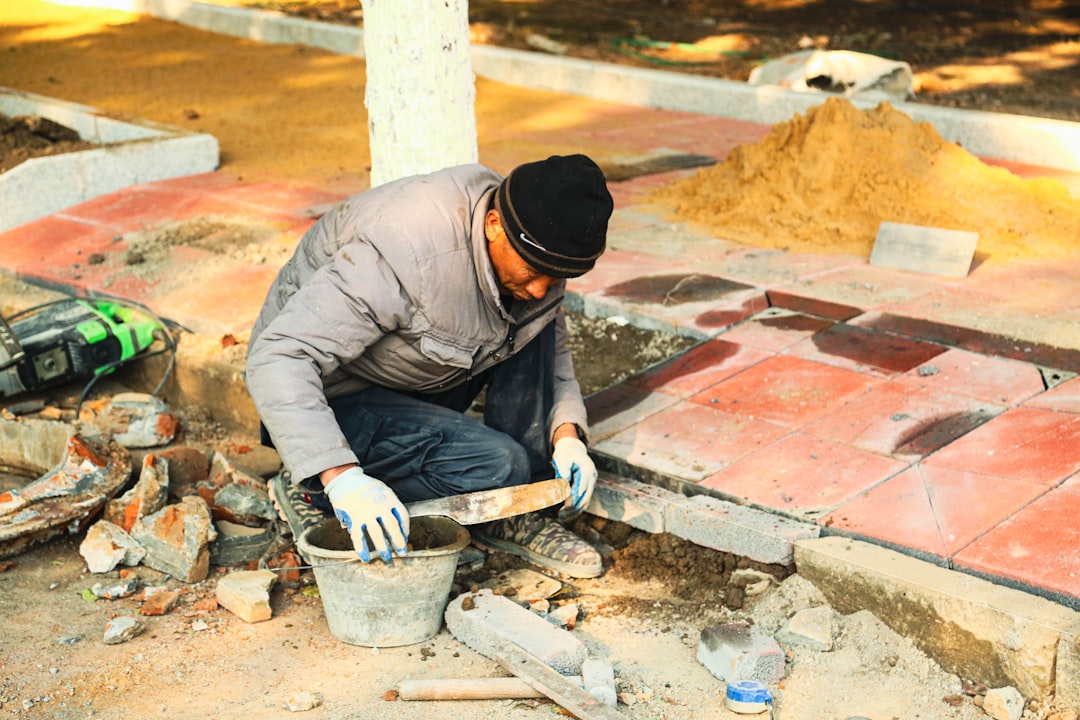
Shipwrights here use methods unchanged for generations. They employ hand tools and precise craftsmanship. Consequently, each dhow becomes a unique work of art. Moreover, the process requires immense skill and patience.
Key features of this historic site include:
- Traditional Techniques: Wooden pegs and hand-stitched sails.
- Natural Materials: Teak wood and coconut fiber ropes.
- Skilled Artisans: Master craftsmen with lifelong expertise.
- Active Construction: Real boats built for modern use.
This cultural venue connects visitors to the UAE’s trading history. Additionally, it highlights the importance of maritime trade routes. Thus, it provides profound historical context.
Why Choose This Maritime Heritage Site
Several factors make this shipyard a must-visit destination. Firstly, it offers unparalleled authenticity. Unlike static museums, this is a living workplace. Therefore, experiences feel genuine and dynamic.
Secondly, accessibility enhances its appeal. The yard welcomes visitors throughout the week. Moreover, admission remains affordable for all budgets. Consequently, families and solo travelers can enjoy it.
Furthermore, the educational value is immense. Visitors gain insights into:
- Ancient navigation and trade practices.
- Wood selection and treatment processes.
- Sailmaking and rope-making techniques.
- Maritime history of the Arabian Gulf.
The location also provides excellent photographic opportunities. Meanwhile, the friendly craftsmen often share stories. Thus, visits become memorable learning experiences.
Ajman Dhow Building Yard Experience
Experiencing the Ajman Dhow Building Yard engages all senses. The scent of fresh wood shavings fills the air. Meanwhile, the sound of mallets echoes across the waterfront. Therefore, immersion begins immediately upon arrival.
Visitors can walk among partially constructed dhows. Furthermore, they observe craftsmen carving planks and stitching sails. This hands-on environment fascinates all age groups. Additionally, the scale of operations impresses everyone.
Key experiential elements include:
- Close Observation: Watch master shipwrights at work.
- Historical Context: Learn about pearling and trading history.
- Material Appreciation: Feel the wood and rope textures.
- Cultural Connection: Understand Emirati maritime identity.
Consequently, every visit provides deep cultural appreciation. Moreover, it supports the preservation of traditional skills. Thus, your visit contributes to cultural sustainability.
Shipyard Details & Key Features
This operational facility spans a significant waterfront area. It contains multiple construction bays and storage zones. Furthermore, it houses specialized workshops for different crafts. Therefore, organization is evident throughout.
The primary construction material remains teak wood. This durable timber withstands harsh marine environments. Moreover, craftsmen shape it using traditional adzes and saws. Consequently, modern power tools are rarely seen.
Notable features visitors encounter:
- Wood Seasoning Areas: Logs cured for optimal strength.
- Template Stations: Patterns for hull design and symmetry.
- Rope-Making Sections: Natural fiber twisting and coiling.
- Launching Ramps: Slopes for moving completed vessels.
The shipyard also maintains a fleet of finished dhows. These vessels still ply regional waters. Additionally, they serve as functional tributes to tradition. Thus, the yard’s relevance continues today.
Need Expert Assistance?
Visit Planning & Practical Tips
Effective planning maximizes your shipyard visit. Firstly, consider timing carefully. Morning hours offer cooler temperatures and better light. Moreover, craftsmen are most active during this period.
Secondly, dress appropriately for the environment. Comfortable walking shoes are essential. Furthermore, lightweight clothing with sun protection is advisable. Therefore, comfort enhances your exploration.
Essential planning considerations include:
- Visit Duration: Allocate 2-3 hours for full immersion.
- Photography: Cameras are welcome but ask permission.
- Hydration: Carry water due to outdoor exposure.
- Guided Tours: Informal guides often provide context.
Additionally, combine your visit with other Ajman attractions. The nearby corniche and museum complement the experience. Consequently, you can create a full cultural day. Explore 30-day tourist visa options for extended stays.
Ajman Dhow Building Yard Cultural Significance
The Ajman Dhow Building Yard holds profound cultural importance. It embodies the maritime heritage that built the Emirates. Furthermore, it represents a living bridge between past and present. Therefore, its preservation is crucial.
Dhows were the lifeblood of regional trade and pearling. They connected the UAE to distant lands. Moreover, they facilitated cultural and economic exchange. Consequently, understanding them reveals Emirati history.
Key cultural aspects preserved here:
- Traditional Knowledge: Shipbuilding skills passed orally.
- Community Identity: Shared maritime heritage and pride.
- Economic History: Pre-oil prosperity through sea trade.
- Technological Adaptation: Evolving designs for modern needs.
This institution safeguards intangible cultural heritage. Meanwhile, it adapts to contemporary economic realities. Thus, it remains both a museum and a business.
Common Visitor Mistakes to Avoid
Many visitors unintentionally diminish their experience. Firstly, they often rush through the facility. This historic site deserves leisurely exploration. Therefore, allocate sufficient time for appreciation.
Secondly, some visitors disregard safety guidelines. The yard is an active construction site. Moreover, moving equipment and materials pose hazards. Consequently, staying in designated areas is vital.
Frequent mistakes include:
- Poor Timing: Visiting during midday heat peaks.
- Inadequate Footwear: Wearing sandals on uneven surfaces.
- Missing Context: Not learning basic dhow history beforehand.
- Language Assumptions: Not using simple greetings in Arabic.
Additionally, photographers sometimes interrupt workers. Always request permission before close-up shots. Furthermore, respect the craftsmen’s focus and workspace. Thus, courtesy enhances everyone’s experience.
Expert Recommendations for Your Visit
Expert advice can transform a good visit into a great one. Firstly, engage respectfully with the craftsmen. Many speak limited English but appreciate gestures. Moreover, they often demonstrate techniques if shown interest.
Secondly, visit during weekdays for fewer crowds. Weekend mornings can become busy with tourist groups. Therefore, Tuesday through Thursday offers optimal viewing. Additionally, light is best for photography before noon.
Top recommendations from travel specialists:
- Local Guides: Hire informal guides for deeper insights.
- Combined Itinerary: Pair with Ajman Museum and souq.
- Seasonal Timing: October to April offers ideal weather.
- Cultural Preparation: Read about dhow history pre-visit.
Furthermore, support the yard by purchasing small souvenirs. Meanwhile, share your experience positively online. Consequently, you help sustain this cultural treasure. Contact specialists WhatsApp for personalized planning.
Frequently Asked Questions About Ajman Dhow Building Yard
How long does the Ajman Dhow Building Yard take?
Duration varies by interest. Typically 2-3 hours suffices. Plan visit.
What is required for this shipyard visit?
Required: modest dress, walking shoes, valid ID.
Cost of this maritime heritage experience?
Admission typically free or minimal donation. Varies by arrangement.
Best time for this cultural venue?
Morning hours recommended. Cooler, less crowded.
Photography allowed at the yard?
Personal photography usually permitted. Always ask craftsmen first.
Is this a family-friendly venue?
Yes, suitable all ages. Supervise children near construction.
Final Thoughts on Ajman Dhow Building Yard
Furthermore, the Ajman Dhow Building Yard offers exceptional cultural value. Moreover, it provides authentic insights into Emirati maritime heritage. Therefore, careful planning enhances your experience significantly.
This living museum connects you to centuries of tradition. Additionally, it supports the preservation of vital craftsmanship. Consequently, your visit contributes to cultural sustainability.
Zami Tours provides comprehensive support for your UAE journey:
- Fast Processing: 24-72 hour visa services.
- Expert Support: 5+ years UAE travel experience.
- Trusted Service: 10,000+ travelers assisted globally.
Additionally, apply for your visa today. Meanwhile, contact our specialists via WhatsApp for immediate assistance. Furthermore, join our agent network for partnership opportunities. Finally, access our agent portal for existing partners.