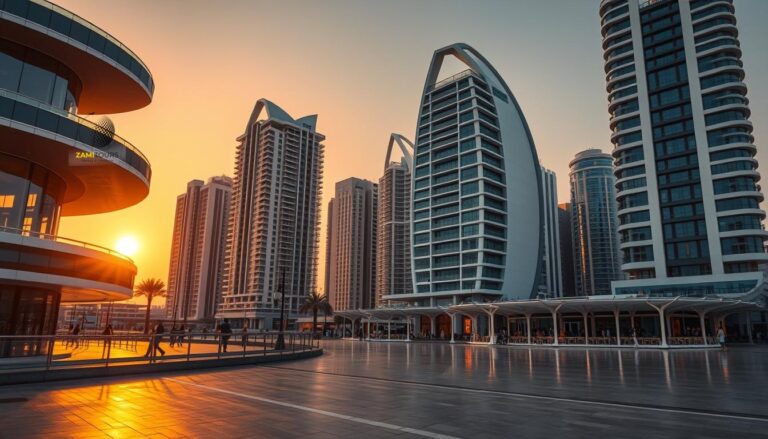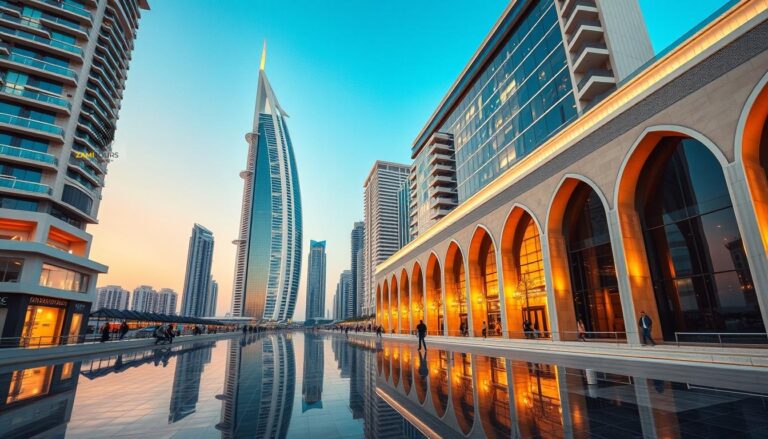




Planning a trip to Dubai requires careful timing. The city’s desert climate creates dramatic seasonal shifts. Therefore, understanding the optimal travel period is crucial. This guide provides a detailed month-by-month analysis. Additionally, it covers weather patterns and crowd levels. Furthermore, it helps you maximize your holiday experience. The best time to visit Dubai depends on your preferences. Some seek perfect beach weather. Others prefer cultural festivals and events.
Understanding Best Time to Visit
Dubai’s climate features two main seasons. These are the extremely hot summer and the pleasant winter. Summer spans from May to September. Meanwhile, winter runs from October to April. The best time to visit Dubai generally falls during the cooler months. However, this period also sees peak tourist crowds. Travelers must balance weather comfort with other factors. These include hotel prices and special events.
Best Time to Visit Benefits
Choosing the right travel period offers significant advantages. You will experience comfortable outdoor exploration conditions. Furthermore, you can participate in exclusive seasonal events. These include the Dubai Shopping Festival and Dubai Food Festival. Additionally, you avoid the extreme summer heat. This makes desert safaris and city tours enjoyable. Consequently, your overall vacation satisfaction increases dramatically.
How Best Time to Visit Works
This guide analyzes each month’s unique characteristics. It considers temperature averages and humidity percentages. Moreover, it evaluates rainfall probability and daylight hours. It also assesses tourist crowd levels. This comprehensive approach provides clear travel recommendations. Therefore, you can make an informed decision. The ideal travel period varies by activity type.
January: Peak Season Perfection
January offers Dubai’s most pleasant weather. Daytime temperatures average 24°C (75°F). Nighttime temperatures drop to around 14°C (57°F). Humidity remains low at approximately 65%. Rainfall is minimal at about 10mm. This is peak tourist season. Therefore, expect large crowds at major attractions.
Hotel prices reach their highest point. Additionally, you should book flights well in advance. Key events include the Dubai Shopping Festival. This month provides perfect conditions for outdoor activities. You can enjoy beach time, desert safaris, and golf.
February: Continued Ideal Conditions
Weather patterns remain excellent in February. Temperatures slowly rise to 26°C (79°F) during the day. Nights stay cool at 16°C (61°F). Humidity stays around 65%. Rainfall averages 35mm. Tourist crowds remain substantial. However, they slightly decrease from January peaks.
This is a fantastic month for sightseeing. You can explore the Burj Khalifa and Dubai Fountain. Additionally, outdoor dining becomes particularly enjoyable. The Dubai Food Festival often occurs this month. Consequently, food enthusiasts should consider visiting.
March: Spring Transition
March marks the beginning of warmer spring weather. Daytime temperatures climb to 30°C (86°F). Evening temperatures settle at 18°C (64°F). Humidity increases slightly to 68%. Rainfall decreases to 25mm. Crowd levels begin to moderate. This creates a good balance.
Beach conditions become increasingly attractive. Meanwhile, desert temperatures remain manageable. The Dubai World Cup occurs this month. This is the world’s richest horse race. Therefore, it attracts international visitors. You should secure accommodation early.
April: Approaching Summer Heat
April brings noticeably warmer conditions. Daytime temperatures reach 35°C (95°F). Nights become milder at 21°C (70°F). Humidity rises to 70%. Rainfall is minimal at 8mm. Tourist crowds continue to decrease. This offers better value for travelers.
Early April still allows comfortable outdoor activities. However, late April becomes quite warm. Swimming pools and water parks provide excellent relief. You might consider indoor attractions during afternoons. These include the Dubai Mall and Mall of the Emirates.
May: Summer Begins
May clearly marks summer’s arrival. Temperatures soar to 39°C (102°F) during the day. Nights become warm at 25°C (77°F). Humidity increases significantly to 75%. Rainfall is virtually nonexistent. Crowd levels drop substantially. This creates lower hotel rates.
Outdoor activities become challenging during midday. Early mornings and evenings remain pleasant. Many residents travel abroad during this period. Therefore, you might find discounted packages. Indoor entertainment becomes the preferred option.
June: Intense Summer Heat
June features extreme desert heat. Daytime temperatures average 41°C (106°F). Nighttime temperatures stay at 28°C (82°F). Humidity remains high at 80%. Rainfall is completely absent. This is low season for tourism. Consequently, you will find significant discounts.
Air-conditioned environments become essential. Malls, hotels, and vehicles maintain cool temperatures. Beach visits are best limited to early mornings. Additionally, all outdoor activities require sun protection. Hydration becomes critically important.
July: Peak Summer Conditions
July is Dubai’s hottest month. Temperatures frequently exceed 43°C (109°F). Nights remain very warm at 30°C (86°F). Humidity peaks at 85%. There is no rainfall. Tourist numbers reach their lowest point. This offers the best budget opportunities.
Indoor attractions become primary destinations. These include Ski Dubai and the Dubai Aquarium. Many restaurants offer summer promotions. Furthermore, hotel rates are most affordable. You can experience luxury accommodations at reduced prices.
August: Continued Extreme Heat
August maintains severe summer conditions. Daytime temperatures average 42°C (108°F). Nighttime temperatures stay at 30°C (86°F). Humidity remains at 85%. Rainfall remains absent. Crowd levels stay minimal. This pattern continues from July.
Summer sales continue in shopping malls. Indoor entertainment complexes thrive during this period. Water parks operate with extended evening hours. Additionally, many hotels offer special packages. These often include complimentary amenities.
September: Gradual Cooling
September begins the slow transition toward cooler weather. Daytime temperatures decrease to 39°C (102°F). Nights become slightly cooler at 27°C (81°F). Humidity drops to 80%. Rainfall remains negligible. Tourist numbers start increasing gradually.
Early September remains very hot. However, late September shows improvement. Outdoor activities become more feasible toward month’s end. This represents a shoulder season period. Therefore, you can find reasonable prices.
October: Pleasant Weather Returns
October brings welcome relief from summer heat. Daytime temperatures average 35°C (95°F). Nights become comfortable at 23°C (73°F). Humidity drops significantly to 75%. Rainfall is minimal at 1mm. Tourist crowds increase noticeably.
This is an excellent month for visiting. Weather allows all types of activities. Beach conditions become ideal again. Moreover, desert safaris resume full operations. Hotel prices rise but remain below peak season rates.
November: Ideal Conditions
November offers perhaps Dubai’s best weather. Daytime temperatures reach 30°C (86°F). Nights become pleasantly cool at 19°C (66°F). Humidity drops to 70%. Rainfall increases slightly to 5mm. This is high season for tourism.
Crowds return to popular attractions. Additionally, hotel prices increase substantially. The Dubai Rugby Sevens occurs this month. Furthermore, the Dubai International Boat Show often takes place. You should make reservations well in advance.
December: Festive Season
December features wonderful holiday weather. Daytime temperatures average 26°C (79°F). Nights become cooler at 15°C (59°F). Humidity remains at 65%. Rainfall measures about 15mm. This is peak tourist season. Consequently, expect large crowds everywhere.
Dubai celebrates the festive season spectacularly. Hotels and malls feature elaborate decorations. New Year’s Eve sees incredible fireworks displays. Particularly, the Burj Khalifa show attracts global attention. You must book several months early.
Best Time to Visit Practices
Follow these proven practices for optimal timing. Prioritize November through March for perfect weather. Alternatively, consider shoulder months for better value. These include October and April. Additionally, book flights and hotels early for peak season. Meanwhile, summer visits require indoor activity planning.
Best Time to Visit Implementation
Implement your travel plans effectively. First, determine your weather tolerance and budget. Next, identify your preferred activities. Then, cross-reference with monthly weather patterns. Finally, account for major events and holidays. This systematic approach ensures satisfaction.
Advanced Best Time to Visit Strategies
Consider these advanced timing strategies. Combine Dubai with other Emirates during summer. For example, visit Hatta’s cooler mountain climate. Alternatively, focus on indoor attractions during warmer months. Moreover, leverage early booking discounts for winter travel. These approaches maximize value.
Best Time to Visit Success Tips
Remember these essential tips for successful timing. Always check visa requirements before booking. Pack appropriate clothing for the season. Stay hydrated throughout your visit. Use high-SPF sunscreen consistently. Furthermore, respect local customs and traditions.
Future of Best Time to Visit
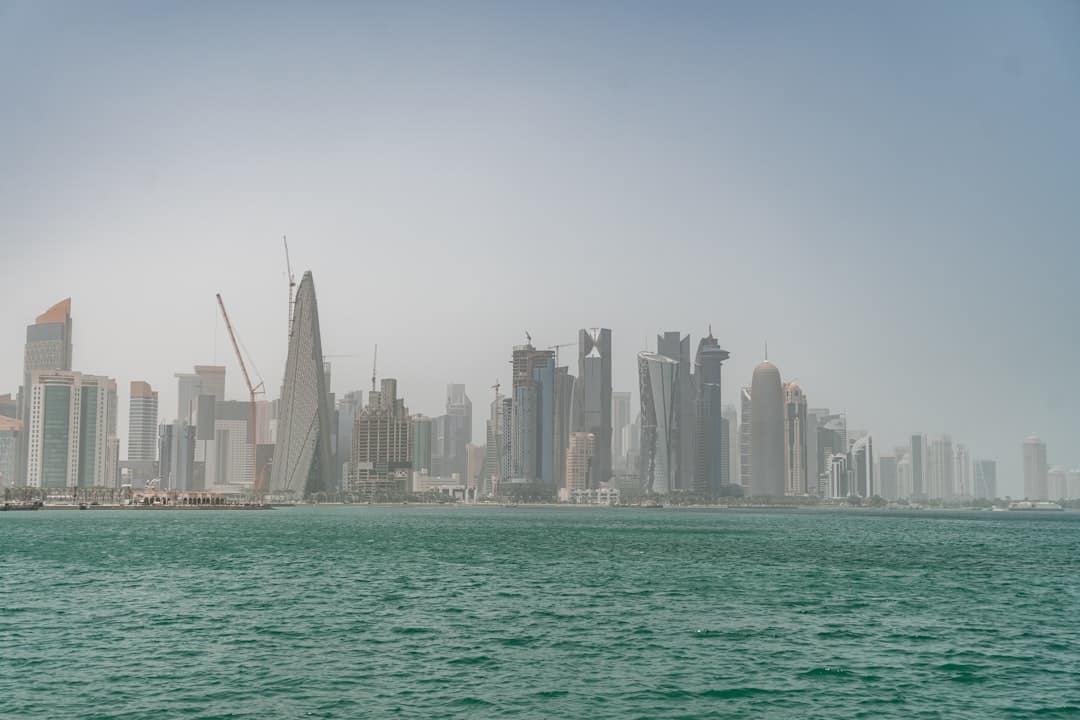
Climate patterns may shift future optimal travel periods. However, Dubai continues developing climate-controlled environments. These include The Loop planned climate-controlled cycling highway. Additionally, sustainable tourism initiatives are expanding. Therefore, year-round comfort will likely improve.
Frequently Asked Questions
What is the absolute best time to visit Dubai for perfect weather?
November through March offers Dubai’s most pleasant conditions. These months provide warm days and cool evenings. Additionally, humidity levels remain comfortable for outdoor activities.
When is the cheapest time to visit Dubai?
Summer months from June to August offer the lowest prices. However, you must endure extreme heat. Therefore, prioritize indoor attractions during this budget-friendly period.
Is Dubai too hot to visit in summer?
Summer temperatures can exceed 43°C (109°F). However, extensive air-conditioning makes indoor environments comfortable. With proper planning, summer visits can still be enjoyable.
When is the best time for beach activities in Dubai?
October through May provides excellent beach conditions. Specifically, November to April offers perfect swimming weather. Meanwhile, summer months require early morning or late evening beach visits.
What month has the fewest tourists in Dubai?
July and August typically have the lowest tourist numbers. These months feature extreme heat and high humidity. Consequently, you will find minimal crowds at major attractions.
When should I avoid visiting Dubai due to crowds?
December and January see peak tourist crowds. Additionally, avoid periods during major festivals and school holidays. These include Eid celebrations and spring break periods.
Conclusion
Choosing the best time to visit Dubai requires careful consideration. Weather patterns dramatically influence your experience. Additionally, crowd levels affect costs and availability. The ideal period depends on your personal preferences. Budget travelers might prefer summer months. Meanwhile, luxury seekers often choose winter peak season. Regardless of your choice, proper planning ensures a memorable trip. Start your visa application process early to avoid delays. Finally, prepare for an incredible Dubai adventure.
Essential Travel Links
Apply for Dubai and UAE tourist visa online
WhatsApp our visa support team
30-day Dubai tourist visa for Indian nationals
register as a travel agent partner
agent portal for visa applications
Official Resources
UAE Federal Authority for Identity and Citizenship visa regulations
General Directorate of Residency and Foreigners Affairs Dubai
Visit Dubai official tourism portal