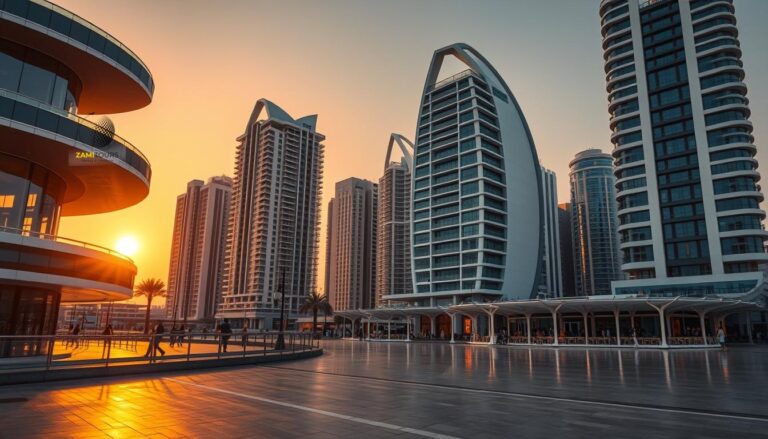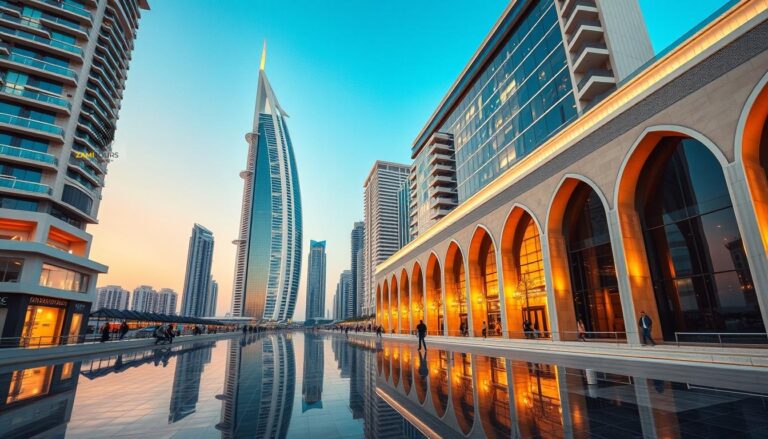



Planning to explore Dubai architecture photography? This city presents an unparalleled visual narrative. It is a canvas where futuristic ambition meets deep-rooted tradition. Consequently, photographers find endless inspiration. The skyline tells a story of rapid transformation. Moreover, the contrast between old and new is dramatic. This guide explores the best techniques and locations.
Dubai architecture photography demands a keen eye for composition. You will encounter towering glass skyscrapers and intricate Islamic designs. Therefore, understanding light and perspective is crucial. The city’s unique aesthetic blends innovation with cultural heritage. This creates a dynamic and compelling subject matter for any lens.
At Zami Tours, trusted by 10,000+ travelers, we provide seamless travel planning. Our 5+ years UAE experience helped 50+ countries. Apply for Dubai visa online.
Ready to Get Started?
Understanding Dubai Architecture Photography
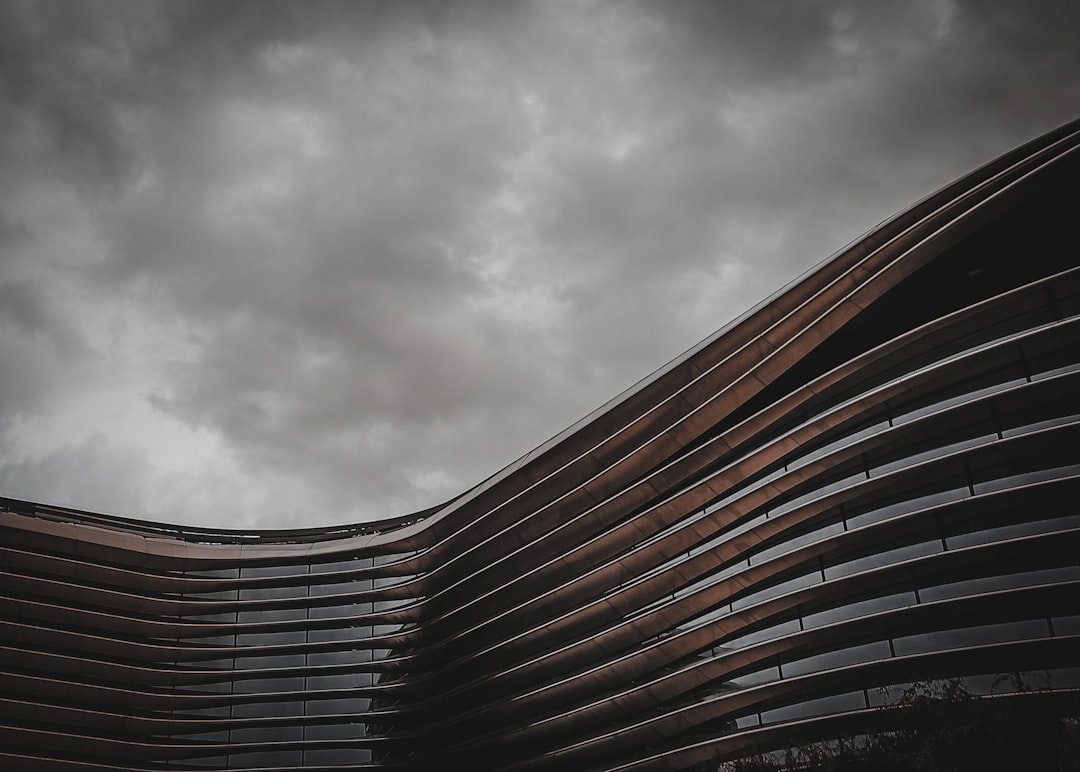
Dubai architecture photography is a specialized genre. It focuses on the built environment of a unique city. This practice involves capturing both exteriors and interiors. Furthermore, it emphasizes form, line, and shape. The city offers a dual narrative. You have ultra-modern structural feats. Conversely, you have traditional wind towers and mosques.
Successful Dubai architecture photography requires technical precision. You must manage extreme lighting conditions. The desert sun creates harsh contrasts. Therefore, timing your shoots is essential. The golden hour provides soft, warm light. Meanwhile, blue hour illuminates cityscapes with a cool glow.
Essential gear includes a wide-angle lens. This captures the scale of massive structures. A telephoto lens is also useful. It isolates architectural details from a distance. Additionally, a sturdy tripod is non-negotiable. It enables long exposures for sharp, clear images.
- Wide-Angle Lens: Essential for capturing full building scale.
- Polarizing Filter: Reduces glare from glass and water.
- Sturdy Tripod: Ensures stability for low-light shots.
- Neutral Density Filter: Allows for long exposures in daylight.
Why Choose This Photographic Journey
Embarking on this photographic journey offers immense rewards. You gain access to iconic global landmarks. Moreover, you develop a deeper appreciation for design. The city serves as an open-air museum of contemporary and historical art. Every corner presents a new composition.
This pursuit enhances your technical skills significantly. You learn to work with reflective surfaces. You also master perspective control. Consequently, your overall photography improves. The variety of subjects keeps the creative process fresh and exciting.
Furthermore, the cultural immersion is profound. You witness the intersection of heritage and innovation. This provides a richer travel experience beyond typical tourism. You capture moments that tell a larger story of a nation’s vision.
Dubai Architecture Photography Experience
The core Dubai architecture photography experience is multifaceted. It begins with the modern skyline. Structures like the Burj Khalifa dominate the view. Shooting from the base emphasizes its staggering height. Alternatively, photographing from a distance captures its context within the city.
Next, explore the historical districts. Al Fahidi Neighborhood offers a stark contrast. Here, you will find traditional Arabian buildings. Their earthy tones and textured walls provide a different aesthetic. Therefore, your portfolio gains valuable diversity and depth.
Finally, do not overlook interior spaces. The inside of the Burj Al Arab or the Dubai Mall are spectacular. Their atriums and design details are equally photogenic. This completes a comprehensive visual documentation of the city’s architectural spirit.
- Burj Khalifa: World’s tallest building, a must-capture.
- Al Fahidi: Historic district with traditional wind towers.
- Jumeirah Mosque: Iconic example of Islamic architecture.
- Museum of the Future: Futuristic design and calligraphic facade.
Iconic Locations & Features
Dubai’s iconic locations are a photographer’s dream. The Burj Khalifa is the obvious starting point. For a unique perspective, visit the rooftop of the Address Sky View. Alternatively, the fountain show at its base adds dynamic movement to your shots.
The Museum of the Future is another masterpiece. Its torus shape and Arabic calligraphy are stunning. Shooting it at night is particularly rewarding. The illuminated script creates a magical effect. Meanwhile, the Jumeirah Mosque offers pristine Islamic geometry.
Do not miss the Dubai Frame in Zabeel Park. This structure literally frames old and new Dubai. You can capture the historic city through one side. Then, turn to capture the modern skyline through the other. It is a powerful symbol of the city’s duality.
Need Expert Assistance?
Planning & Practical Tips
Planning your shoot is crucial for success. First, research your locations thoroughly. Check access times and any photography restrictions. Some areas may require a permit. Therefore, always verify rules beforehand to avoid disappointment.
Second, consider the season. Summer months are extremely hot. This can be challenging for extended outdoor sessions. The winter period offers milder, more comfortable weather. Consequently, November to March is the ideal time for photography.
Finally, plan your daily schedule around the light. Shoot modern structures during blue hour for dramatic effect. Capture historical sites in the soft morning light. This strategic approach maximizes the quality of your images.
- Best Season: November to March for pleasant weather.
- Ideal Time: Golden hour (sunrise/sunset) and blue hour.
- Essential Check: Photography permits and access rules.
- Transport: Use metro for skyline views, taxi for gear.
Dubai Architecture Photography Cultural Significance
Understanding the cultural significance deepens your Dubai architecture photography. The modern buildings symbolize the nation’s rapid progress. They represent a vision for the future. Conversely, the Islamic architecture reflects centuries of tradition and faith.
This duality is the city’s core narrative. Your photos can tell this story. Capture the symmetry and geometric patterns in a mosque. Then, contrast it with the sleek, abstract form of a skyscraper. This creates a powerful visual dialogue.
Moreover, your work documents a unique moment in history. You are preserving the image of a city in constant transformation. This adds a layer of purpose to your artistic endeavor. It is more than just a picture; it is a historical record.
Common Photographic Mistakes
Several common mistakes can hinder your results. First, ignoring converging verticals is a frequent error. This happens when you tilt your camera upward. Buildings appear to be falling backward. Therefore, use a tilt-shift lens or correct it in post-processing.
Second, overlooking the human element is a missed opportunity. Including a person in the frame provides scale. It also adds a sense of life and story to the structure. However, ensure they complement the composition, not distract from it.
Finally, neglecting weather conditions can ruin a shoot. Sandstorms and high humidity are common. They can damage equipment and reduce visibility. Always check the forecast and protect your gear accordingly.
Expert Recommendations
Expert recommendations can elevate your work significantly. First, scout locations using Google Earth beforehand. This helps you find unique angles and plan your shots. You can identify potential vantage points without being on the ground.
Second, invest in a quality polarizing filter. Dubai is full of glass and water reflections. This filter helps manage glare and enhances color saturation. It is one of the most valuable tools for urban photography.
Finally, be patient and wait for the right moment. The perfect light or a clear sky can transform an ordinary shot into an extraordinary one. Great photography is often about timing as much as technique.
- Scout Virtually: Use online tools to pre-visualize compositions.
- Filter Investment: A polarizer is essential for clean shots.
- Composition Rule: Use leading lines and framing techniques.
- Local Guides: Consider hiring a guide for hidden spots.
Frequently Asked Questions About Dubai Architecture Photography
How long does Dubai architecture photography take?
A thorough project can take 3-5 days. This allows for different times and locations. Plan your visit.
What is required for this photographic journey?
Required: DSLR/mirrorless camera, wide-angle lens, tripod, and a valid UAE visa.
Are there costs for this photography experience?
Some locations charge entry or tripod fees. Public spaces are generally free.
What is the best time for architectural shoots?
Early morning and blue hour after sunset. Light is soft and directional.
Is professional photography allowed everywhere?
No. Personal use is often fine. Commercial shoots require permits. Always check rules.
Is the city friendly for photographer mobility?
Yes, with good planning. Use taxis for gear. The metro offers great elevated views.
Final Thoughts on Dubai Architecture Photography
Furthermore, Dubai architecture photography offers an exceptional creative pursuit. It challenges your skills and expands your perspective. The city is a living laboratory of design evolution. Therefore, every visit yields new discoveries and images.
Zami Tours provides comprehensive support for your journey. We understand the needs of creative travelers. Our services ensure a smooth and focused experience.
Zami Tours provides:
- Fast Processing: 24-72 hour visa service.
- Expert Support: 5+ years of UAE travel experience.
- Trusted Service: 10,000+ travelers assisted.
Additionally, apply for your Dubai visa today. Meanwhile, for personalized advice, contact our specialists on WhatsApp. You can also explore our 30-day tourist visa options. For industry professionals, join our agent network or access the dedicated agent portal.
For official information, consult the UAE immigration authority, the Dubai residency department, Dubai Tourism, the UAE Ministry of Foreign Affairs, and the IATA Travel Centre.