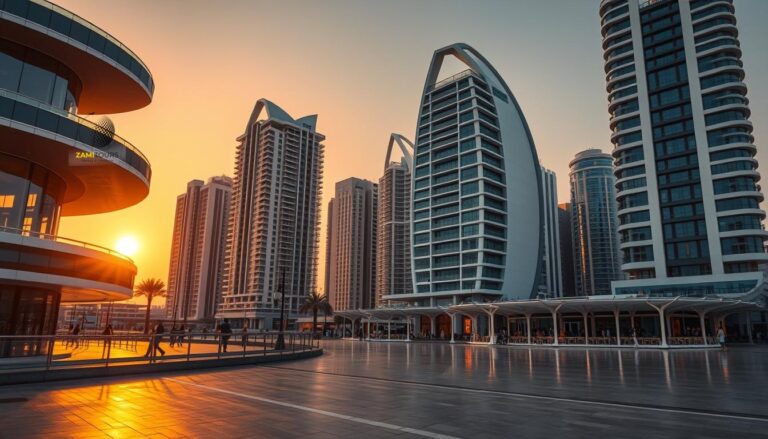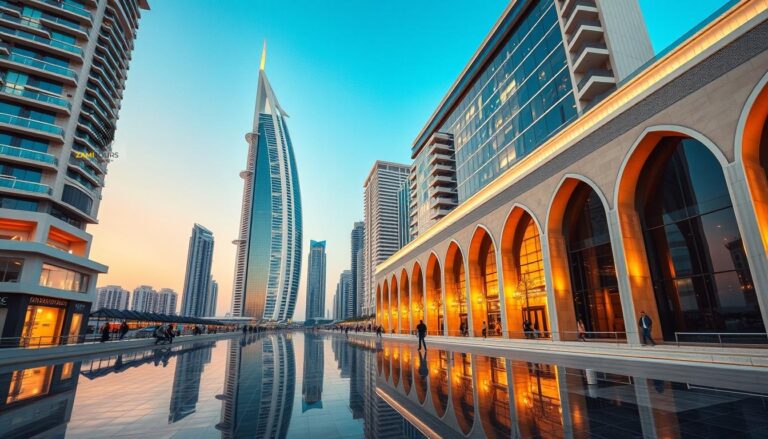



Planning to explore Dubai Blue Hour Photography? This magical time transforms the city into a canvas of deep blues and vibrant artificial lights. Furthermore, it offers unparalleled opportunities for breathtaking urban landscapes. The transition from day to night creates a surreal atmosphere. Moreover, the city’s iconic architecture provides a stunning backdrop.
Consequently, photographers flock to capture this ephemeral spectacle. The soft, diffused light minimizes harsh shadows. Additionally, it balances the warm glow of city illuminations. This period lasts approximately 20-40 minutes after sunset. Therefore, precise timing and location scouting are essential. You can capture the Burj Khalifa against a twilight sky. Similarly, the Dubai Marina skyline becomes a glittering masterpiece.
At Zami Tours, trusted by 10,000+ travelers, we provide seamless travel and visa services. Our 5+ years UAE experience helped 50+ countries. Apply for Dubai visa online.
Ready to Get Started?
Understanding Dubai Blue Hour Photography
Dubai Blue Hour Photography captures the city during civil twilight. This occurs just after sunset. The sky exhibits a rich, deep blue hue. Meanwhile, city lights begin to twinkle. This creates a perfect exposure balance. Furthermore, the ambient light is soft and even. Consequently, it eliminates harsh contrasts common in daytime shots.
Specifically, the blue hour is a technical term. It describes a specific phase of twilight. The sun is 4 to 6 degrees below the horizon. Therefore, indirect sunlight illuminates the upper atmosphere. This results in a diffused, cool-toned light. Additionally, this light complements warm artificial sources. For instance, the Burj Khalifa’s lighting scheme pops dramatically.
Key characteristics of this photographic window include:
- Color Balance: A natural cool blue tint dominates the sky.
- Light Quality: Soft, directionless light that minimizes shadows.
- Exposure Sweet Spot: Easy blending of sky detail with building lights.
- Reflective Surfaces: Water bodies like the Dubai Fountain enhance compositions.
- Dynamic Range: Camera sensors capture a wide tonal range effectively.
- Atmospheric Conditions: Often, clearer skies compared to daytime haze.
Moreover, planning is crucial for successful shots. You must check sunset times daily. Subsequently, arrive at your location early. This allows time for setup and scouting. Hence, you maximize the brief shooting window.
Why Choose Twilight Cityscape Photography
Twilight cityscape photography offers distinct creative advantages. First, it provides a unique mood. The blending of day and night evokes emotion. Furthermore, Dubai’s ultramodern skyline is ideally suited for this style. The architectural lighting is designed for visual impact.
Additionally, this time of day is more comfortable. The intense daytime heat has subsided. Therefore, you can focus on composition without discomfort. Moreover, tourist crowds at popular vistas often thin out. This allows for unobstructed views and cleaner shots.
Primary benefits include:
- Visual Drama: The contrast between blue sky and golden lights is striking.
- Architectural Emphasis: Building outlines and lights become the main subjects.
- Creative Flexibility: Opportunities for long exposures and light trails abound.
- Consistent Results: The quality of light is predictable and reliable.
- Enhanced Colors: Saturation appears richer in the camera.
- Unique Perspectives: Common landmarks appear fresh and dramatic.
Consequently, your portfolio will stand out. Meanwhile, the experience itself is rewarding. Watching the city transform is mesmerizing. Thus, it is a must-try for any visiting photographer.
Dubai Blue Hour Photography Experience
The Dubai Blue Hour Photography experience is unforgettable. Iconic locations become magical during this time. For example, the base of the Burj Khalifa offers a towering perspective. The sky’s color complements the building’s silver steel. Furthermore, the Dubai Mall fountain show adds motion.
Alternatively, the Palm Jumeirah offers a different vantage point. You can capture the crescent against the twilight. Moreover, the Atlantis hotel is brilliantly illuminated. Therefore, it serves as a perfect focal point. Similarly, the Dubai Marina walk provides a dense skyline. The numerous high-rises create a canyon of light.
Essential experiences to capture:
- Burj Khalifa Illumination: The world’s tallest building against a blue canvas.
- Dubai Fountain Shows: Water dances with lights, perfect for long exposure.
- Palm Jumeirah Overview: The fronds and Atlantis from a high viewpoint.
- Sheikh Zayed Road: A river of car light trails between skyscrapers.
- Jumeirah Beach: Burj Al Arab with a reflective foreground.
- Al Fahidi District: Traditional wind towers under a modern sky.
Consequently, every location tells a different story. Additionally, the changing light offers variety within the short session. Hence, you can capture multiple unique shots from one spot.
Dusk Photography Details & Features
Successful dusk photography requires specific techniques and gear. First, a sturdy tripod is non-negotiable. Shutter speeds will be too slow for handholding. Furthermore, a remote shutter release prevents camera shake. Alternatively, use the camera’s self-timer function.
Moreover, shooting in RAW format is highly recommended. This captures maximum data. Therefore, you have greater flexibility in post-processing. You can adjust white balance and recover shadows. Additionally, manual mode gives full creative control.
Key technical features to master:
- Aperture Priority: Start with f/8 to f/16 for sharpness and depth of field.
- Low ISO: Use ISO 100-400 to minimize digital noise.
- Long Exposure: Shutter speeds from 2 to 30 seconds are common.
- Manual Focus: Autofocus struggles in low light; use live view.
- White Balance: Set to Daylight or Tungsten for consistent results.
- Histogram Check: Ensure data is not clipped on either end.
Meanwhile, composition remains paramount. Use leading lines and reflections. Frame the Burj Khalifa with other elements. Consequently, your images will have both technical excellence and artistic merit.
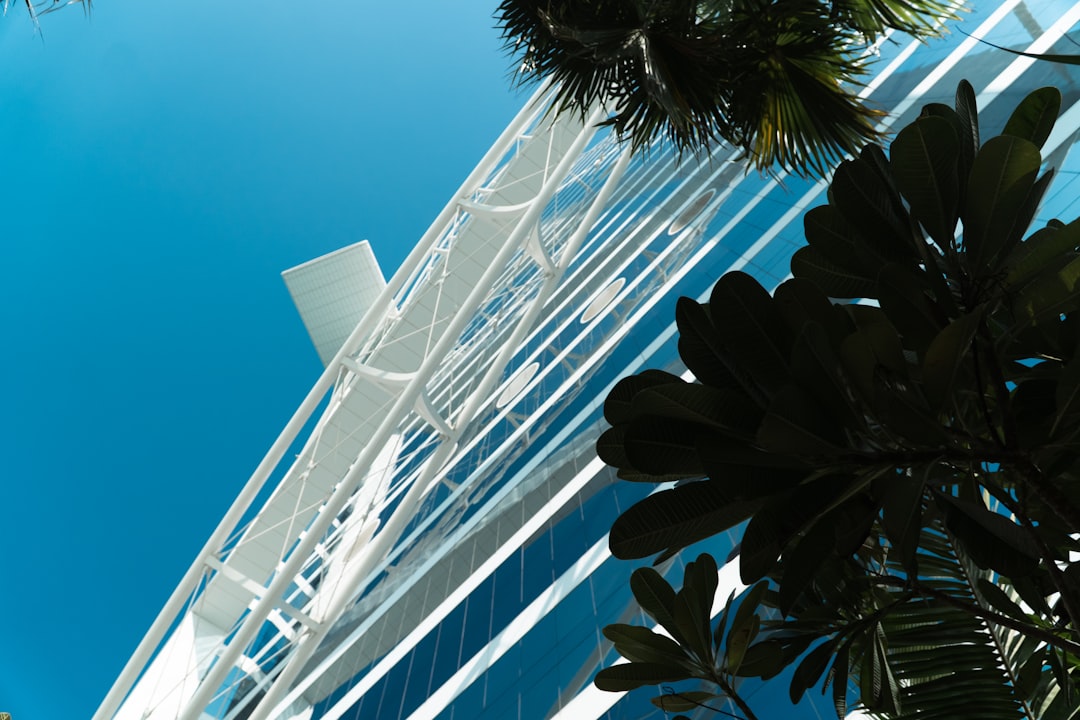
Twilight Shoot Planning & Tips
Meticulous planning separates good shots from great ones. First, research your locations using apps like PhotoPills or The Photographer’s Ephemeris. These tools show the sun’s position and the blue hour timing. Furthermore, scout locations in daylight if possible. This helps identify compositions and potential obstacles.
Additionally, check the weather forecast. Clear skies are ideal. However, some clouds can add interest to the shot. Therefore, do not be discouraged by partial cloud cover. Moreover, dress comfortably and bring water. You may be standing in one place for an extended period.
Essential planning tips:
- Timing is Everything: Arrive 30 minutes before sunset to set up.
- Charge Batteries: Long exposures and live view drain power quickly.
- Memory Cards: Ensure you have ample, fast storage space.
- Lens Selection: Wide-angle (16-35mm) and standard zoom (24-70mm) are ideal.
- Neutral Density Filter: Useful for extending exposure times in early twilight.
- Safety First: Be aware of your surroundings, especially near roads.
Consequently, preparation builds confidence. You can focus on creativity instead of technical issues. Hence, your Dubai Blue Hour Photography session will be productive and enjoyable.
Dubai Blue Hour Photography Cultural Significance
Dubai Blue Hour Photography does more than create pretty pictures. It captures the essence of a city in transition. The images represent the meeting of ambition and nature. Furthermore, they showcase human achievement against the timeless sky. The Burj Khalifa, a symbol of modernity, stands under the same sky as ancient deserts.
Moreover, these photographs often feature a blend of old and new. For instance, capturing a traditional dhow sailing in the Dubai Creek with a glittering skyline behind it. This juxtaposition tells a rich story of heritage and progress. Therefore, the work holds cultural and historical value.
Cultural aspects highlighted:
- Modern Identity: The illuminated skyline is a global symbol of Dubai’s growth.
- Islamic Architecture: Mosques like the Jumeirah Mosque are beautifully lit at dusk.
- Public Life: Photos often show people enjoying the cooler evening temperatures.
- Economic Vitality: The vibrant city lights symbolize a bustling, 24/7 economy.
- Tourism Appeal: These images are powerful tools for promoting the city.
- Artistic Interpretation: Each photographer brings a unique perspective to the scene.
Consequently, your photography contributes to a visual narrative. It documents a specific era in the city’s rapid development. Thus, it becomes a piece of visual history.
Common Dusk Photography Mistakes
Many photographers encounter similar pitfalls during dusk sessions. First, arriving late is a critical error. The blue hour is brief and unforgiving. Furthermore, an unstable tripod can ruin all your shots. Even a slight breeze can cause blur in long exposures.
Additionally, incorrect white balance is a common issue. Relying on Auto White Balance can create inconsistent colors from shot to shot. Therefore, setting a custom white balance is crucial. Moreover, neglecting the histogram leads to exposure problems. The camera’s LCD screen can be deceptive in the dark.
Mistakes to avoid:
- Handholding the Camera: Always use a tripod for sharpness.
- High ISO Settings: This introduces noise; use a longer exposure instead.
- Ignoring Composition: Do not rely solely on the light; frame carefully.
- Forgetting to Bracket: Take multiple exposures for HDR blending later.
- Not Cleaning the Lens: Dust spots become glaring in smooth sky areas.
- Overprocessing in Post: Maintain a natural look; avoid excessive saturation.
Hence, awareness of these errors improves your success rate. You can preemptively address them during your shoot. Consequently, you will return with a higher percentage of usable images.
Expert Twilight Shoot Recommendations
Expert photographers follow a refined workflow for optimal results. First, they compose their shot before the light changes. They use a high ISO to test the composition quickly. Furthermore, they focus manually using live view zoomed in on a bright light or edge.
Moreover, they often use an intervalometer. This allows for a series of shots as the light evolves. Therefore, they capture the entire transition from sunset to full night. Additionally, they shoot in exposure brackets. This provides insurance for high-contrast scenes.
Professional recommendations:
- Shoot in Aperture Priority: Let the camera determine shutter speed, then switch to Manual.
- Use Mirror Lock-Up: Reduces internal vibration for ultimate sharpness.
- Embrace the Blue: Do not correct the blue tint entirely; it’s the desired effect.
- Look for Reflections: Puddles, fountains, and glass buildings double the impact.
- Stay Patient: The best light often appears in the last few minutes.
- Scout New Angles: Avoid the classic postcard shots for a unique portfolio.
Consequently, adopting these practices elevates your work. You will capture technically sound and creatively compelling images. Hence, your Dubai Blue Hour Photography will be truly professional.
Frequently Asked Questions About Dubai Blue Hour Photography
How long does Dubai Blue Hour Photography take?
The actual blue hour lasts 20-40 minutes. However, a full session, including setup and scouting, typically takes 1.5-2 hours. Plan your visit accordingly.
What is required for a twilight shoot?
Required: a DSLR or mirrorless camera, a sturdy tripod, a wide-angle lens, and a remote shutter release. Comfortable shoes are also essential.
Best locations for dusk photography?
Top locations include the Dubai Fountain, Palm Jumeirah viewpoints, Dubai Marina Walk, and Sheikh Zayed Road bridges. Each offers a unique perspective.
Best time for this photography?
The period starts immediately after sunset. Check local sunset times and plan to shoot for the following 30-40 minutes for the best results.
Is a permit required for photography?
Personal, non-commercial photography in public spaces is generally permitted. However, using a tripod in very busy areas may require permission. Check local regulations.