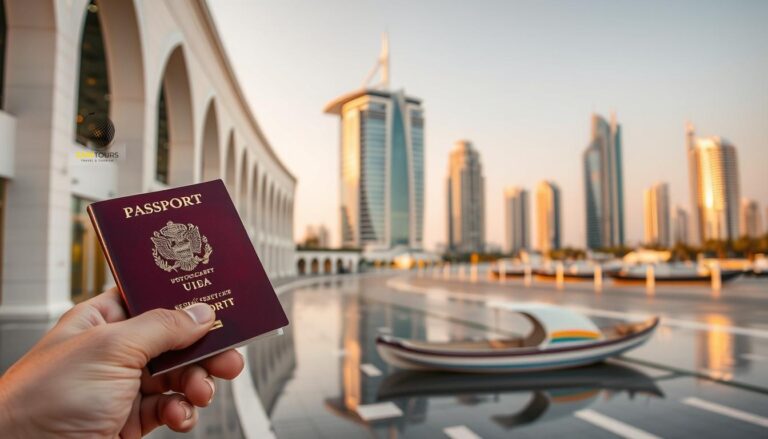


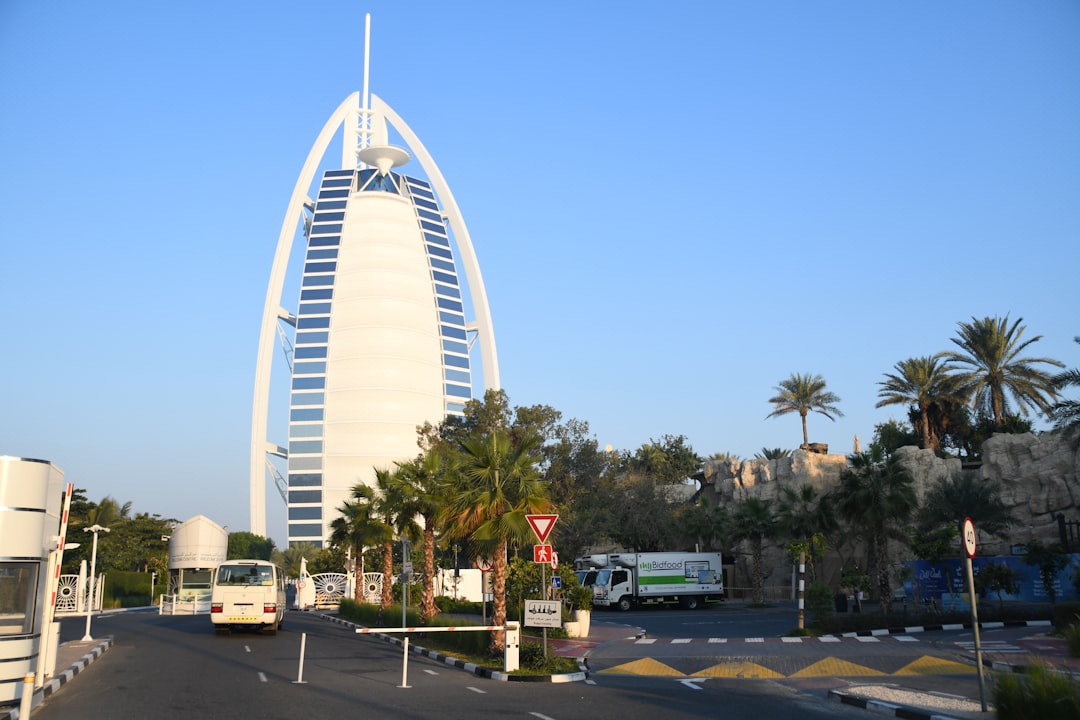

The evolving immigration policy prioritizes value-driven entrepreneurs. Consequently, eligibility criteria have been refined for clarity. Specifically, the focus shifts to sustainable business models and innovative sectors. Meanwhile, traditional sponsorship routes have undergone significant modernization. Thus, applicants must navigate these updates with precision.
2026 marks a pivotal year for UAE residency programs. This aligns with the broader Dubai Economic Agenda D33. Furthermore, benefits include extended visa durations and enhanced family sponsorship options. For travelers and business professionals, this signals long-term commitment opportunities. Therefore, the impact on the global business community is substantial.
Practical implications for entrepreneurs are far-reaching. It revolutionizes how talent establishes and scales operations in the MENA region. Stakeholders benefit from clearer pathways to permanent establishment. Moreover, the integration with free zone and mainland company structures is more seamless. Consequently, decision-making for business location and setup is more informed.
At Zami Tours, trusted by 10,000+ travelers, we provide expert Dubai business visa assistance. Our 5+ years of UAE immigration experience has helped clients from 50+ countries. Apply for Dubai visa online with our guided support.
Understanding Dubai Business Visa Sponsorship
Dubai Business Visa Sponsorship refers to the legal mechanism allowing a UAE-based entity to sponsor a foreign national for a residency visa. Furthermore, it involves the sponsor assuming responsibility for the employee or partner. Moreover, this means facilitating their legal stay and work rights. Therefore, securing a reliable sponsor is the foundational step.
Key characteristics include a direct link between the visa and the sponsoring company. Specifically, the visa holder’s residency is contingent on their association with that entity. Additionally, the sponsor manages visa renewals and government liaisons. Consequently, choosing the right sponsor impacts long-term business continuity.
The 2026 framework ensures greater protections for both sponsor and sponsored. Meanwhile, regulations define clear contractual obligations and rights. Thus, potential disputes are minimized through structured guidelines. Subsequently, the application process follows stricter compliance checks.
Several sponsorship types cater to different business models. For instance, mainland company sponsorship allows direct market access. Conversely, free zone sponsorship offers 100% foreign ownership. Moreover, investor visas are available for substantial capital contributors. Therefore, selecting the appropriate type is a critical first decision.
Sponsorship is not merely a formality but a strategic partnership. It dictates where you can work, live, and conduct business. Furthermore, it influences banking relationships and licensing scope. Hence, due diligence on potential sponsors is non-negotiable.
Ultimately, the sponsorship system is designed to foster genuine economic activity. It filters speculative applications while welcoming value creators. Meanwhile, the government continuously monitors for compliance. Thus, adherence to all stipulated rules is paramount for renewal.
- Legal Foundation: The sponsorship (Kafala) system is codified in UAE Federal Law.
- Sponsor Role: Acts as the visa holder’s legal representative in the UAE.
- Visa Dependency: Residency status is tied to the sponsor’s commercial license validity.
- 2026 Update: Enhanced digital integration for sponsor change and renewal processes.
- Contractual Obligation: A standard employment contract or partnership agreement mandates sponsorship.
- Geographic Limitation: Some visas restrict work to the emirate of issuance.
- Family Sponsorship: A valid residency visa enables sponsoring dependents.
- Pathway to Long-Term Residency: Consistent sponsorship can lead to eligibility for golden visas.
Why Long-Term Entrepreneur Visas Matter in 2026
Long-term residency options are central to Dubai’s economic diversification strategy. Furthermore, they provide the stability necessary for business growth and family settlement. Moreover, 2026 enhancements specifically target high-impact entrepreneurs. Therefore, securing such a visa is more advantageous than ever.
Stability directly correlates with business investment and planning cycles. Specifically, a multi-year visa allows for long-term leases, loans, and team building. Additionally, it signals serious commitment to local partners and clients. Consequently, trust and credibility in the market increase significantly.
The global competition for talent is intensifying. Meanwhile, Dubai positions itself as a premier destination for digital nomads and innovators. Thus, its visa policies are designed to be more attractive than European or Asian counterparts. Subsequently, the ease of transition from a visit visa to a long-term residency is streamlined.
Economic contributors gain access to a wider ecosystem. For example, long-term residents can open corporate bank accounts more easily. Conversely, short-term visa holders face limitations in financial services. Moreover, eligibility for government tenders and contracts often requires established local presence. Hence, a long-term visa is a key business enabler.
Family considerations are equally important. A long-term visa simplifies schooling, healthcare, and housing for dependents. Furthermore, it offers peace of mind, removing the anxiety of frequent renewals. Therefore, overall quality of life and retention rates improve for skilled professionals.
Finally, the 2026 vision integrates residency with contribution. The system increasingly rewards job creators, innovators, and investors. Meanwhile, it phases out dependencies on transient workforce models. Thus, entrepreneurs with scalable ideas are the primary beneficiaries.
- Strategic Alignment: Visas support Dubai’s goal to become a top global city for business.
- Reduced Administrative Burden: Longer validity means fewer renewal processes and costs.
- Attraction of Talent: Helps companies recruit and retain international experts.
- Wealth Retention: Encourages reinvestment of profits within the local economy.
- Network Effects: Long-term residents build deeper professional and community networks.
- Real Estate Investment: Stable residency drives demand for property ownership.
- Gateway to Citizenship: Serves as a potential pathway to emerging citizenship-by-investment programs.
- Competitive Edge: Offers a better value proposition than short-term business visas.
Dubai Business Visa Sponsorship Current Landscape
The current landscape for Dubai Business Visa Sponsorship is characterized by digital transformation and policy refinement. Furthermore, the GDRFA and ICA portals are now the primary interfaces for applications. Moreover, smart systems automatically flag discrepancies. Therefore, accuracy in documentation is more critical than manual processing.
A key trend is the blurring line between free zone and mainland sponsorship. Specifically, free zones now offer more flexibility to conduct business on the mainland. Additionally, new hybrid licenses are emerging. Consequently, entrepreneurs have more tailored structural options.
The authorities are increasingly data-driven. Meanwhile, they analyze the economic impact of sponsored individuals. Thus, applications demonstrating high potential for job creation or innovation receive priority. Subsequently, a well-prepared business plan is not optional but essential.
Another shift is towards corporate-sponsored visas rather than individual sponsors. This provides greater security and professionalism. Moreover, it aligns with international corporate governance standards. Hence, establishing a formal company is often the first practical step.
Compliance enforcement is stricter but more transparent. Regular audits ensure sponsored employees are working in designated roles. Furthermore, salary protection systems monitor wage payments. Therefore, maintaining impeccable corporate records is mandatory for sponsorship renewal.
Finally, the landscape is integrated with other government initiatives. For instance, sponsorship data links with the UAE Central Bank for anti-money laundering checks. Meanwhile, visa eligibility may influence applications for Dubai business licenses. Thus, a holistic approach to business setup is necessary.
- Digital-First Approach: Over 95% of visa and sponsorship services are online.
- Mainland Expansion: Certain economic activities require a mainland sponsor for full market access.
- Golden Visa Integration: Business visa sponsorship can be a stepping stone to 10-year residency.
- Cost Transparency: Government fees are largely fixed and published online.
- Sectoral Prioritization: Technology, healthcare, and green economy sectors may receive faster processing.
- Sponsorship Transfer: Rules for changing sponsors have been simplified to enhance labor mobility.
- Health Insurance Mandate: All sponsored residents must have approved health coverage.
- Economic Substance Regulations: Sponsoring entities must demonstrate real economic activity.
Key Sponsorship Features and Benefits
The modern sponsorship system offers a suite of features designed for business efficiency. Furthermore, these features translate into tangible benefits for the entrepreneur. Moreover, understanding them helps maximize the value of the visa.
First, the sponsorship provides full legal residency rights. Specifically, this includes the right to open a bank account, obtain a driver’s license, and sign contracts. Additionally, it allows for seamless entry and exit from the UAE. Consequently, business operations face minimal administrative disruption.
Another feature is the ability to sponsor family members. This includes a spouse, children, and, in some cases, parents. Meanwhile, the requirements for family sponsorship have been relaxed for higher-tier visa holders. Thus, achieving a better work-life balance in Dubai is facilitated.
The sponsorship is directly tied to the company’s license. Therefore, as long as the business is active and compliant, residency is secure. Moreover, visa renewals are often concurrent with license renewals. Hence, managing two separate timelines is unnecessary.
Access to the UAE’s excellent infrastructure is a major benefit. This encompasses world-class airports, logistics hubs, and digital connectivity. Furthermore, sponsored individuals can leverage these for global trade. Consequently, operational scalability is significantly enhanced.
Finally, the sponsorship system offers a pathway to long-term security. Consistent compliance and business success can lead to eligibility for permanent residency schemes. Meanwhile, it builds a credit history within the UAE financial system. Thus, future opportunities for investment and growth are unlocked.
- Residency Stability: Provides a legal foundation for long-term planning.
- Family Inclusion: Enables bringing loved ones, fostering a stable personal life.
- Business Legitimacy: Enhances credibility with suppliers, clients, and investors.
- Asset Ownership: Facilitates the purchase of vehicles, property, and other assets.
- Tax Residency: Can help in establishing UAE tax residency status.
- Global Mobility: Serves as a stable base for travel across the MENA region and beyond.
- Networking Access: Gains entry to business councils and chambers of commerce.
- Retirement Planning: Contributes to eligibility for the UAE retirement visa program.
Dubai Business Visa Sponsorship Requirements Process
Navigating the Dubai Business Visa Sponsorship requirements process demands careful attention to detail. Furthermore, the 2026 updates have standardized many previously ambiguous criteria. Moreover, the process is sequential, with each step dependent on the previous. Therefore, systematic preparation is the key to success.
The initial requirement is a legitimate sponsoring entity. Specifically, this must be a company registered in the UAE with a valid trade license. Additionally, the company’s financial health and compliance status are scrutinized. Consequently, choosing a reputable business setup partner is crucial.
For the employee or partner, educational and professional qualifications must be attested. Meanwhile, a clear criminal record certificate from the home country and the UAE is mandatory. Thus, gathering these documents well in advance avoids delays.
The sponsorship application itself is filed online by the company’s PRO (Public Relations Officer). Furthermore, it requires uploading digital copies of all documents. Moreover, biometrics collection is a subsequent step for the applicant. Therefore, physical presence in the UAE at some stage is required.
Medical fitness testing is a non-negotiable requirement. This screens for communicable diseases. Additionally, health insurance that meets the minimum essential benefits must be purchased. Hence, budgeting for these costs is part of the financial planning.
Finally, the Emirates ID application is integrated into the process. This card is the primary identity document for residents. Meanwhile, the visa is stamped in the passport upon final approval. Subsequently, the sponsorship cycle is complete, and residency begins.
- Sponsor Documents: Trade license copy, company establishment card, shareholder agreement.
- Applicant Documents: Passport copies, passport-sized photographs, attested degree certificates.
- Financial Proof: Sponsor’s bank statements, applicant’s potential salary details.
- Legal Documentation: Signed employment contract or partnership agreement in Arabic.
- Approval Channels: Requires approvals from the Ministry of Human Resources & Emiratisation (MOHRE) for mainland, or the relevant Free Zone Authority.
- Medical Process: Testing at government-approved health centers.
- Insurance Requirement: Policy must cover essential benefits as per the Dubai Health Authority.
- Final Steps: Visa stamping, Emirates ID collection, and registering the visa in the passport.
Sponsorship Cost Analysis and Pricing
A comprehensive cost analysis prevents unexpected financial burdens during the sponsorship process. Furthermore, costs are bifurcated into government fees and service charges. Moreover, prices can vary based on visa duration, sponsor type, and applicant profile. Therefore, obtaining a detailed breakdown is essential.
Government fees are fixed and non-negotiable. Specifically, these include application fees, issuance fees, ID card fees, and medical test costs. Additionally, there are deposits for certain categories, which are refundable upon visa cancellation. Consequently, the total government portion can range from AED 5,000 to AED 15,000 per person.
Service charges depend on the assisting partner. A business setup consultant or PRO service will charge for documentation, processing, and liaison. Meanwhile, these fees cover expertise that can prevent costly errors. Thus, they represent an investment in a smooth process.
Recurring costs are a critical part of the analysis. These include annual health insurance premiums and visa renewal fees every 2-3 years. Furthermore, if the company uses office space, those rental costs are part of the sponsorship overhead. Hence, a multi-year financial model is advisable.
Hidden costs can arise from document attestation outside the UAE or translation services. Moreover, urgency fees apply for expedited processing. Therefore, planning the timeline conservatively helps avoid these premiums.
Ultimately, the return on investment must be calculated. The cost of sponsorship should be weighed against the business opportunities and personal benefits of residing in Dubai. Meanwhile, comparing the total cost of ownership against other jurisdictions is a smart exercise. Thus, the decision becomes a strategic financial one.
- Government Fee Breakdown: Entry permit, status change, medical fee, ID fee, Emirates ID issuance.
- Sponsorship-Specific Fees: MOHRE or Free Zone labor contract filing fees.
- Insurance Costs: Annual premiums range from AED 1,500 to AED 7,000 based on coverage.
- PRO Service Fees: Typically between AED 2,000 and AED 5,000 for full processing.
- Documentation Costs: Attestation of degrees and marriage certificates from home country authorities.
- Bank Guarantee: Some visas require a refundable bank guarantee, often around AED 3,000.
- Renewal Costs: Similar to initial costs, incurred every 2-3 years.
- Cancellation Fees: Charges incurred when terminating a sponsorship.
Step-by-Step Sponsorship Implementation
A methodical, step-by-step approach is the surest path to securing Dubai Business Visa Sponsorship. Furthermore, skipping or misordering steps can result in rejection or delays. Moreover, each step has defined inputs and outputs. Therefore, following a proven roadmap is recommended.
Step 1: Establish or Partner with a Sponsoring Entity. First, register a company in a UAE free zone or mainland. Alternatively, secure an employment offer from an existing UAE company. Consequently, this creates the legal entity that will file the sponsorship application.
Step 2: Gather and Attest Required Documents. Specifically, collect passport copies, photographs, and educational certificates. Meanwhile, get these attested by the UAE embassy in your home country and the Ministry of Foreign Affairs in the UAE. Thus, documentation meets international legal standards.
Step 3: Obtain Entry Approval. The sponsoring company applies for an entry permit or mission visa through the GDRFA or ICA portal. Furthermore, this approval allows the applicant to legally enter the UAE for visa processing. Therefore, do not travel on a tourist visa with the intent to change status.
Step 4: Undergo Medical Fitness Test. Upon arrival, complete the medical screening at an approved center. Additionally, apply for the Emirates ID registration concurrently. Hence, two parallel processes are initiated.
Step 5: Complete Visa Stamping. After passing the medical, submit the passport to the immigration authority for the residency visa stamp. Meanwhile, collect the Emirates ID once notified. Subsequently, the process is complete, and full residency rights are activated.
Step 6: Register for Additional Services. Finally, use the Emirates ID and visa to open a bank account, get a driver’s license, and register for utilities. Moreover, apply for family sponsorship if applicable. Thus, full integration into life in Dubai is achieved.
- Pre-Application: Conduct market research and decide on business activity and legal structure.
- Document Preparation: Allow 4-6 weeks for international attestation processes.
- Digital Application: The sponsor’s authorized signatory must have a UAE Pass for digital signatures.
- Biometrics: Required for all applicants over 15 years old at typography centers.
- Health Insurance: Policy must be activated before the visa stamping step.
- Visa Collection: Passports can be collected from the immigration center or via courier service.
- Orientation: Familiarize yourself with UAE labor laws and sponsor obligations.
- Continuous Compliance: Maintain company license renewals and timely visa renewals for employees.
Dubai Business Visa Sponsorship Comparison Analysis
Conducting a Dubai Business Visa Sponsorship comparison analysis illuminates the best path for individual entrepreneurs. Furthermore, comparing free zone vs. mainland sponsorship is the most critical decision. Moreover, analyzing costs, flexibility, and long-term goals is necessary. Therefore, this section provides a detailed juxtaposition.
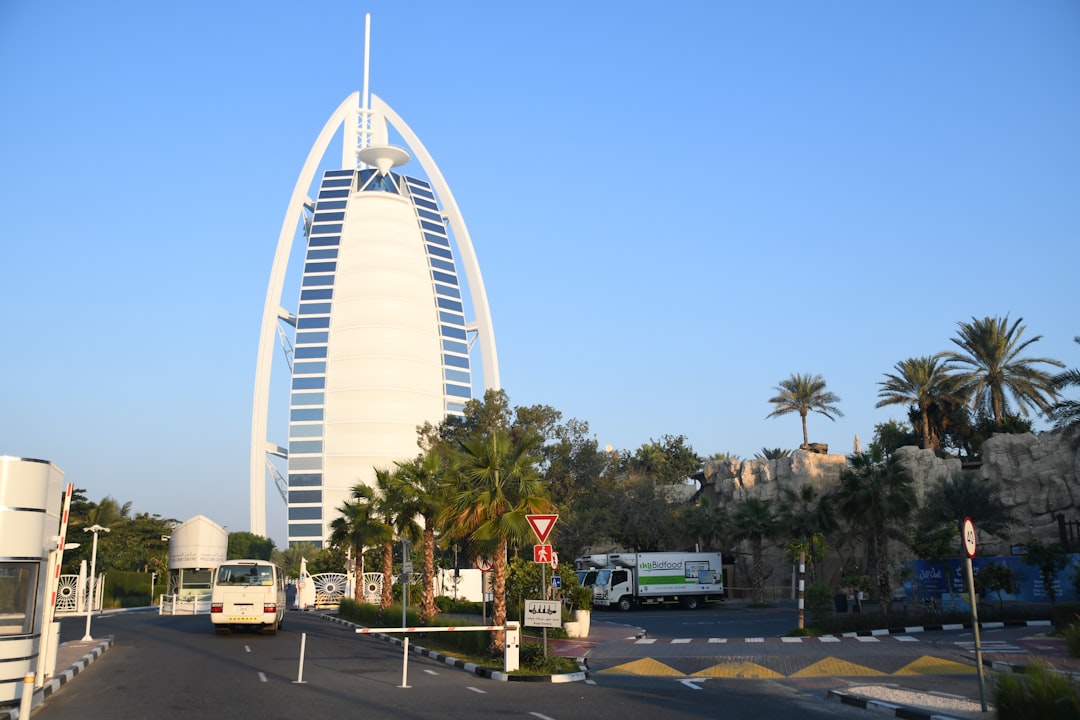
Free Zone Sponsorship: Typically offers 100% foreign ownership and full repatriation of profits. Specifically, it is ideal for businesses focused on export, consulting, and digital services. Additionally, setup is faster and often more cost-effective initially. Consequently, it suits solopreneurs and tech startups. However, it may limit direct business with the UAE mainland market without a local distributor.
Mainland Sponsorship: Requires a local UAE national sponsor (51% ownership) or can be owned 100% by foreigners in specific professional/service activities licensed by the Department of Economic Development (DED). Meanwhile, it allows unrestricted trade across all seven emirates. Thus, it is preferable for businesses targeting the local retail and wholesale market. Nevertheless, the setup process is more involved and may have higher capital requirements.
The Golden Visa system represents a different paradigm. It is a long-term residency visa not tied to a specific employer or sponsor. Furthermore, it grants greater freedom and stability. Moreover, entrepreneurs meeting specific investment or business performance thresholds can qualify. Therefore, it is the ultimate goal for many, beyond standard sponsorship.
Virtual Company visas, offered by some free zones like Dubai International Financial Centre (DIFC), present a modern alternative. These allow residency for digital businesses with minimal physical presence requirements. Meanwhile, they offer a middle ground between cost and flexibility.
Ultimately, the choice depends on the business model, target market, and growth strategy. A side-by-side evaluation of license costs, office requirements, and visa quotas is essential. Hence, consulting with a specialist before deciding is highly recommended.
- Ownership: Free Zone (100% foreign) vs. Mainland (often requires local partner or agent).
- Market Access: Free Zone (limited to offshore/export) vs. Mainland (unrestricted local market).
- Setup Speed: Free Zone (often faster) vs. Mainland (more regulatory steps).
- Office Space: Free Zone (flexible plans) vs. Mainland (may require physical office proof).
- Visa Quota: Linked to office size in free zones; more flexible in mainland based on company capitalization.
- Cost Structure: Free Zone (annual license renewal fee) vs. Mainland (local sponsor profit share or fixed fee).
- Long-Term Potential: Both can lead to Golden Visa, but mainland may demonstrate deeper economic integration.
- Best For: Free Zone (international services) vs. Mainland (local goods and services).
Common Sponsorship Challenges and Solutions
Entrepreneurs often encounter predictable challenges during the Dubai Business Visa Sponsorship journey. Furthermore, anticipating these hurdles allows for proactive solutions. Moreover, most challenges stem from documentation, financial, or regulatory misunderstandings. Therefore, this section outlines common issues and their remedies.
Challenge 1: Document Attestation Delays. The process of getting educational and personal documents attested can be slow. Specifically, foreign ministries and embassies have varying processing times. Consequently, the entire visa timeline is pushed back. Solution: Begin attestation immediately after deciding to apply. Meanwhile, use specialized attestation services that expedite the process. Thus, the documents are ready when needed.
Challenge 2: Choosing the Wrong Sponsor or License Type. Selecting an inappropriate free zone or an unreliable local sponsor can be costly. Moreover, changing sponsors later is administratively complex. Solution: Conduct thorough due diligence. Consult independent business advisors and read reviews. Furthermore, clearly understand the contractual terms with any local partner. Hence, the foundation is secure.
Challenge 3: Meeting Salary or Investment Thresholds. Some visas require minimum salary levels or capital investment. Additionally, proof of these funds must be clear and traceable. Solution: Maintain clean, documented bank statements for several months. Moreover, ensure company capitalization is done through proper banking channels. Therefore, financial credibility is established.
Challenge 4: Medical Test Failure. Testing positive for certain communicable diseases leads to visa denial and deportation. Solution: Get a comprehensive health check in your home country before applying. Furthermore, address any treatable conditions beforehand. Thus, the risk of failure at the UAE medical is minimized.
Challenge 5: Navigating Online Portals. The government application systems, while efficient, can be confusing for first-time users. Solution: Engage a licensed PRO or business setup consultant. Their expertise ensures accurate form filling and submission. Meanwhile, they can track the application status in real-time. Consequently, stress and errors are reduced.
- Bank Account Opening: Challenge: Delays due to lack of credit history. Solution: Choose banks familiar with expatriates and provide thorough documentation.
- Language Barriers: Challenge: Government correspondence is often in Arabic. Solution: Use Google Translate app or hire a translator for critical documents.
- Changing Jobs: Challenge: Visa transfer between sponsors has a mandatory cooling-off period. Solution: Negotiate a proper release from the current sponsor before accepting a new offer.
- Family Visa Rejection: Challenge: Insufficient salary or accommodation proof for dependents. Solution: Ensure your tenancy contract is registered and your salary meets the updated minimums (often AED 4,000-5,000).
- License Renewal Issues: Challenge: Overlooking annual license renewal, which invalidates all associated visas. Solution: Set calendar reminders and work with your PRO for timely renewal.
- COVID-19 Legacy Rules: Challenge: Confusion over remaining travel and vaccination rules. Solution: Always check the official ICA and airline websites before travel.
- PRO Inefficiency: Challenge: Slow or unresponsive PRO services. Solution: Use reputable, well-reviewed agencies with clear service level agreements.
- Cultural Nuances: Challenge: Unfamiliarity with local business etiquette. Solution: Invest time in reading guides and networking to understand the business culture.
Sponsorship vs Traditional Alternatives
Evaluating Dubai Business Visa Sponsorship against traditional alternatives clarifies its unique value proposition. Furthermore, alternatives like tourist visas, freelance permits, and investor visas serve different purposes. Moreover, the best choice depends on the duration, activity, and goals of the stay. Therefore, a comparative analysis is useful.
Tourist or Visit Visas: These are short-term (30-90 days) and do not permit any form of employment or business activity. Specifically, they are for exploration, meetings, and tourism. Consequently, they are not a solution for establishing a business or earning an income in the UAE. However, they are a low-cost way to conduct initial market visits.
Freelance Permits: Offered by free zones like DIFC, twofour54, and Dubai Media City, these allow self-sponsorship for specific professions (e.g., media, tech, consultants). Moreover, they provide residency but often without the ability to sponsor employees easily. Thus, they are ideal for solo professionals but limit scaling a team.
Investor/Partner Visas: These are a subset of business sponsorship. They require a significant capital investment or ownership stake in a UAE company. Furthermore, they often come with longer validity periods. Therefore, they are suitable for passive investors or active partners in an existing venture.
Golden Visas: This is a long-term residency visa (5 or 10 years) that is largely independent of a specific employer. It is not an alternative but an upgrade. Meanwhile, it requires meeting high thresholds in investment, entrepreneurship, or specialized talent. Hence, it is the goal for many after initial business sponsorship.
Remote Work Visa: A one-year visa for employees of foreign companies who wish to live in Dubai while working remotely. Specifically, it does not allow working for UAE companies or conducting business locally. Consequently, it is not a substitute for establishing a UAE-based entity and securing its sponsorship.
In summary, business visa sponsorship is the only pathway for those who wish to legally own and operate a company that employs people and generates income within the UAE market. It is the most comprehensive and secure option for serious entrepreneurs.
- Purpose: Sponsorship (operate a business) vs. Tourist Visa (tourism) vs. Freelance (self-employment).
- Duration: Sponsorship (2-3 years, renewable) vs. Tourist (weeks) vs. Freelance (1-3 years).
- Ownership: Sponsorship (company ownership possible) vs. Tourist/Freelance (no business ownership).
- Employee Sponsorship: Sponsorship (can sponsor others) vs. Freelance (usually cannot) vs. Tourist (cannot).
- Market Access: Sponsorship (full market access based on license) vs. Freelance (limited to client work).
- Cost: Sponsorship (higher initial cost) vs. Tourist (lowest) vs. Freelance (moderate).
- Pathway to PR: Sponsorship (clear pathway) vs. Tourist/Freelance (limited or no pathway).
- Ideal User: Sponsorship (business founder) vs. Tourist (visitor) vs. Freelance (independent contractor).
Future Dubai Business Visa Sponsorship Trends 2026-2030
Anticipating future Dubai Business Visa Sponsorship trends allows entrepreneurs to position themselves advantageously. Furthermore, the trajectory points towards greater digitization, flexibility, and performance-based incentives. Moreover, alignment with UAE national strategies like the “We the UAE 2031” vision is clear. Therefore, staying informed is a competitive necessity.
First, the complete integration of artificial intelligence in application processing is imminent. Specifically, AI will pre-screen applications, predict outcomes, and flag complex cases for human review. Additionally, blockchain technology may be used for instant verification of international documents. Consequently, processing times will shrink from weeks to days.
Second, sponsorship may become more “outcome-based” rather than “input-based.” Meanwhile, visa renewals and extensions could be automatically granted to companies meeting certain KPIs, such as revenue growth or Emiratisation targets. Thus, successful businesses will enjoy unprecedented administrative ease.
Third, the concept of a “unified economic license” is gaining traction. This would combine the trade license, visa quota, and property registration into a single digital asset. Furthermore, it would allow businesses to operate across emirates under one framework. Hence, the current fragmentation between free zones and mainland will reduce.
Fourth, expect more tailored visa categories for niche sectors. For example, specific fast-track schemes for founders in artificial intelligence, climate technology, or advanced sciences. Moreover, these may come with grants, subsidized housing, or R&D support. Therefore, sector specialization will be heavily rewarded.
Finally, the linkage between long-term residency and contributions to the national economy will strengthen. Pathways from standard sponsorship to permanent residency and even citizenship will become more defined and accessible. Subsequently, Dubai will cement its status as a place to build a lifetime legacy, not just a short-term venture.
- AI-Powered Immigration: Predictive analytics for application success and automated compliance checks.
- Dynamic Visa Quotas: Visa allowances that automatically increase with company performance metrics.
- Digital Nomad Evolution: Remote work visas may evolve into “digital entrepreneur” visas with local business rights.
- Sustainability-Linked Visas: Incentives for businesses achieving high ESG (Environmental, Social, Governance) scores.
- Family Office Visas: Specialized programs for ultra-high-net-worth individuals and family offices managing global assets.
- Talent Marketplace Integration: Government portals may directly connect sponsored visa holders with job opportunities.
- Reduced Physical Dependencies: Less emphasis on physical office space for certain knowledge-economy visas.
- GCC-Wide Mobility: Potential for UAE-sponsored residents to gain easier work rights across the GCC bloc.
Expert Visa Implementation Tips
Implementing a successful visa strategy requires more than just following instructions; it demands expert insight. Furthermore, these tips are distilled from years of navigating the UAE system. Moreover, they address the subtle nuances that official guides may overlook. Therefore, applying them can be the difference between smooth success and frustrating delays.
Tip 1: Start with the End in Mind. First, define your 5-year goal. Do you want to sell the business? Attract investment? Attain a Golden Visa? Your initial sponsorship structure should facilitate this long-term vision. Consequently, every decision from license type to office space should align with this goal.
Tip 2: Build a Relationship with a Single Point of Contact. Whether it’s a PRO or a dedicated account manager at a business center, have one reliable person. Furthermore, this ensures consistency and accountability. Meanwhile, avoid constantly switching service providers. Thus, your history and specific needs are well understood.
Tip 3> Maintain Impeccable Digital Records. Scan and digitally archive every single document related to your company and visa. Specifically, keep copies of entry stamps, application forms, payment receipts, and tenancy contracts. Additionally, use cloud storage. Therefore, you can instantly access any document for renewal or audit purposes.
Tip 4: Understand the “Why” Behind Rejections. If an application is rejected or put on hold, seek a clear explanation from the authority. Moreover, do not just re-submit the same documents. Address the root cause, which is often a missing document, an unclear business activity description, or a financial proof issue. Hence, the next submission will be successful.
Tip 5: Integrate Visa Costs into Your Business Model. Treat visa and sponsorship costs as a core operational expense, like rent or software. Furthermore, budget for renewals, potential family expansion, and employee visas from day one. Thus, financial planning remains robust as you grow.
Tip 6: Stay Updated Proactively. Rules can change with little fanfare. Subscribe to official newsletters from the MOHRE and your free zone authority. Meanwhile, follow reputable business news sources focusing on the UAE. Consequently, you are never caught off guard by regulatory shifts.
- Professional Advice: Invest in a one-hour consultation with an immigration lawyer before making major decisions.
- Network: Join business councils and entrepreneur groups to learn from peers’ experiences.
- Banking First: Prioritize setting up a corporate bank account; it simplifies all subsequent financial proofs.
- Clarity of Activity: Choose your licensed business activity with extreme care; it dictates your visa eligibility and market scope.
- Cultural Respect: Demonstrate respect for local customs and laws in all your interactions with authorities.
- Patience with Process: The system is efficient but bureaucratic. Allow for official processing times and avoid last-minute applications.
- Contingency Planning: Have a plan for visa renewal gaps to avoid illegal stay status if delays occur.
- Leverage Technology: Use the UAE Pass app for all digital signatures and government service logins.
Frequently Asked Questions (FAQ)
What are the key changes to Dubai Business Visa Sponsorship in 2026?
Key changes include more digital processing, clearer eligibility for entrepreneurs, enhanced protections in sponsor-sponsee contracts, and stronger integration with economic substance regulations.
How long does the sponsorship visa process take in 2026?
From document submission to visa stamping, the process typically takes 2 to 4 weeks, assuming all documents are correct and no additional checks are required.
Can I sponsor my family on a Dubai business visa?
Yes, subject to meeting a minimum salary requirement (usually AED 4,000-5,000) and providing proof of adequate accommodation (a tenancy contract).
What is the difference between a free zone and mainland sponsorship?
Free zone sponsorship offers 100% ownership but limits local market activity. Mainland sponsorship requires a local partner for most activities but allows trading across the entire UAE.
Is the Dubai Business Visa Sponsorship a path to permanent residency?
Yes, maintaining a successful business under sponsorship is a primary pathway to qualifying for a long-term Golden Visa or permanent residency in the future.
What happens if my sponsoring company closes?
Your residency visa is canceled. You typically have a 30-day grace period to either find a new sponsor, change your visa status, or leave the country.
Can I work for multiple companies on one sponsorship visa?
No. Your visa is tied to your primary sponsor. To work for another company, you need a part-time work permit from MOHRE or a change of sponsor.
Do I need to be physically present in Dubai to apply?
You can start the application from abroad, but you must enter the UAE on an entry permit to complete medical tests, biometrics, and final stamping.
Conclusion
Navigating the Dubai Business Visa Sponsorship landscape in 2026 presents a remarkable opportunity for committed entrepreneurs. Furthermore, the updated rules create a more transparent and supportive environment for long-term business growth. Moreover, the integration of digital systems makes the process more efficient than ever. Therefore, there has never been a better time to establish a formal presence in Dubai.
The journey from concept to secured residency requires careful planning. Specifically, choosing the right sponsorship model, preparing flawless documentation, and understanding costs are critical steps. Additionally, staying informed about future trends will provide a competitive edge. Consequently, those who approach the process strategically will reap the greatest rewards.
Dubai’s commitment to attracting global talent and investment is unwavering. Meanwhile, its visa policies are the primary tool to achieve this goal. Thus, aligning your business ambitions with these policies is the key to unlocking a future in one of the world’s most dynamic economies.
Ready to start your journey? Our team at Zami Tours specializes in guiding entrepreneurs through the entire Dubai business setup and visa sponsorship process. We handle the complexities so you can focus on your business.
Need Expert Advice? Uncertain about the best sponsorship path for your business? Book a confidential consultation with our UAE business setup experts.
Explore Dubai First. Not ready to commit? Apply for a tourist visa to explore business opportunities, meet potential partners, and experience life in Dubai firsthand.