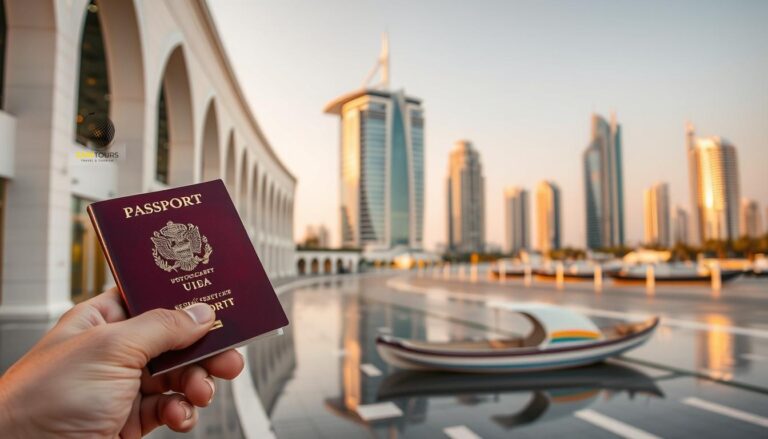



Planning to explore Dubai dress code cultural guide? Understanding local attire expectations is crucial. This knowledge ensures a respectful and seamless visit. Furthermore, it enhances your overall travel experience. Dubai blends modernity with deep cultural traditions. Consequently, dress codes vary significantly by location.
This guide clarifies expectations for key venues. Moreover, it provides practical packing advice for tourists. You will learn to navigate different social settings confidently. Therefore, you can show respect for Emirati customs. Additionally, you will avoid uncomfortable situations.
At Zami Tours, trusted by 10,000+ travelers, we provide expert cultural and visa guidance. Our 5+ years UAE experience helped 50+ countries. Apply for Dubai visa online with our support.
Ready to Get Started?
Understanding Dubai Dress Code Cultural Guide
Firstly, the Dubai dress code cultural guide is not monolithic. It adapts to context and location. Essentially, modesty is the universal principle. However, interpretation differs between public and private spaces. For instance, shopping malls have different rules than beaches.
Furthermore, the law supports local customs of decency. Consequently, inappropriate clothing can lead to official intervention. Therefore, understanding this guide is essential. It protects you from unintended offense. Moreover, it shows cultural sensitivity.
Key principles include:
- Shoulders and Knees: Cover these in most public areas.
- Fabric Density: Avoid see-through or overly tight clothing.
- Respectful Imagery: Steer clear of offensive slogans on garments.
- Context Awareness: Always assess your surroundings for cues.
Additionally, climate influences choices. Lightweight, breathable fabrics are ideal. They provide coverage without causing discomfort. Finally, carrying a versatile scarf or shawl is highly recommended. It offers quick adaptability.
Why Choose This Cultural Compass
Navigating attire rules without guidance is challenging. This cultural compass provides clarity and confidence. Moreover, it prevents stressful encounters. You can focus on enjoying your trip. Therefore, preparation is a key component of respectful travel.
Additionally, following these norms opens doors to authentic experiences. Locals appreciate visitors who respect their traditions. Consequently, interactions become more welcoming and genuine. This cultural insight enriches your journey significantly.
Common benefits include:
- Smooth Access: Gain entry to all venues without issue.
- Positive Interactions: Foster goodwill with residents and staff.
- Personal Comfort: Feel confident and appropriate in any setting.
- Cultural Education: Deepen your understanding of UAE heritage.
Furthermore, this knowledge is practical for daily planning. It helps you organize your itinerary efficiently. Meanwhile, you avoid packing unnecessary items. Hence, your luggage becomes more manageable. Ultimately, this guide serves as your essential travel tool.
Dubai Dress Code Cultural Guide Experience
Experiencing the Dubai dress code cultural guide is a dynamic process. It involves observing and adapting throughout your stay. First, you will notice diverse attire in different districts. Subsequently, you learn to match your dress to the venue’s formality.
Moreover, the experience varies by gender. Women generally face more specific expectations. For example, covering hair is required in mosques. Men should also avoid shorts in formal settings. Therefore, packing requires thoughtful consideration for all.
Practical application involves three main zones:
- Commercial Zones (Malls): Smart-casual attire is the safe standard.
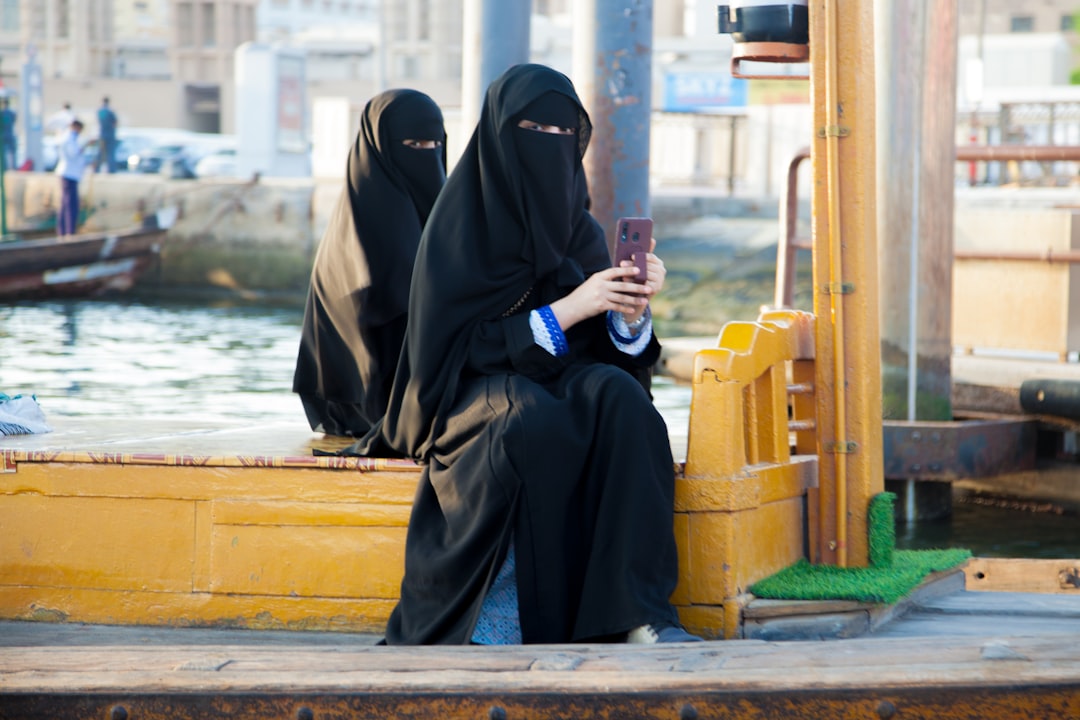
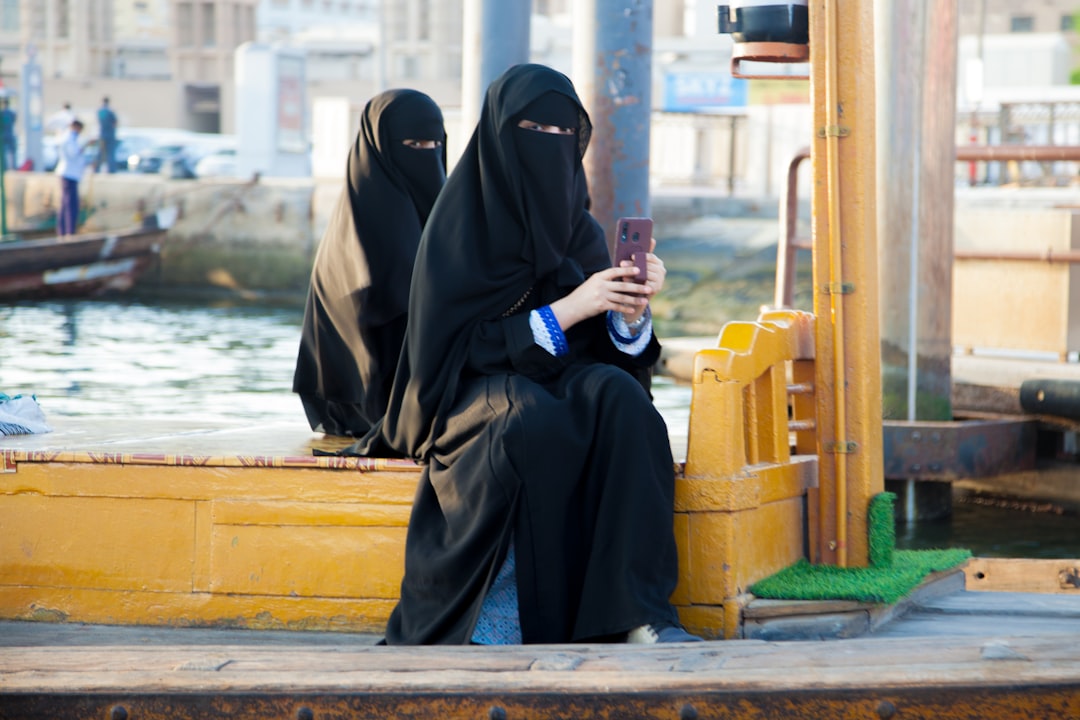
- Religious Sites (Mosques): Conservative, full-coverage clothing is mandatory.
- Leisure Areas (Beaches/Clubs): Swimwear is confined to designated zones.
Consequently, a successful experience hinges on zoning your wardrobe. Furthermore, carrying a cover-up extends your outfit’s versatility. This approach simplifies daily decisions. Hence, you spend less time worrying and more time exploring.
Attire Details & Key Features
Each venue type has distinct attire features. Understanding these details ensures perfect compliance. First, consider shopping malls and souks. These are public family spaces. Therefore, attire should be modest and neat.
Specifically, avoid the following in malls:
- Short shorts or mini-skirts.
- Spaghetti straps or revealing tops.
- Beachwear or swimwear.
- Excessively torn or dirty clothing.
Secondly, mosques demand the highest level of modesty. Women must cover hair, arms, and legs completely. Often, abayas are provided at major mosques. Men must wear long trousers and shirts. Consequently, planning your visit outfit is critical.
Finally, beach and pool attire has clear boundaries. Swimwear is acceptable only within resort or beach confines. However, you must cover up when leaving these areas. A kaftan or long dress is ideal for transition. Thus, you respect community standards effortlessly.
Need Expert Assistance?
Practical Planning & Essential Tips
Effective planning transforms dress code adherence from chore to habit. Start by researching your planned activities. Then, create a capsule wardrobe for each venue type. This strategy maximizes outfit combinations. Moreover, it minimizes luggage weight.
Additionally, always pack key versatile items. These include a lightweight cardigan, a large scarf, and loose linen trousers. Furthermore, comfortable sandals that are easy to remove are useful. They are essential for mosque visits.
Essential packing tips:
- Layering Pieces: Cardigans or pashminas for instant modesty.
- Versatile Bottoms: Maxi skirts or tailored trousers.
- Respectful Footwear: Easy-to-remove shoes for religious sites.
- Beach Cover-up: A stylish kaftan or long shirt dress.
Meanwhile, check the weather forecast before finalizing your pack. Dubai can be extremely hot. However, indoor areas are heavily air-conditioned. Therefore, layering is both culturally and practically smart. Consequently, you stay comfortable everywhere.
Dubai Dress Code Cultural Guide Cultural Significance
The Dubai dress code cultural guide holds deep cultural significance. It is not merely a set of rules. Instead, it reflects Islamic values of modesty and respect. Furthermore, it represents national identity in a global city. Therefore, adhering to it honors your hosts.
Moreover, this guide helps preserve social harmony. It balances tourist freedom with local sensibilities. Consequently, it fosters a mutually respectful environment. Understanding this significance changes your perspective. It becomes an act of cultural appreciation.
Key cultural aspects include:
- Modesty (Haya): A core virtue in Islamic culture.
- Respect for Elders: Conservative dress shows deference.
- Family-Friendly Spaces: Ensuring public comfort for all.
- National Pride: Upholding traditions amidst rapid modernization.
Thus, your clothing choices carry meaning. They communicate your respect for the local way of life. Subsequently, this awareness enriches your travel experience profoundly. It connects you to the heart of Emirati society.
Common Attire Mistakes to Avoid
Tourists often make avoidable attire mistakes. Firstly, assuming beachwear is acceptable in city centers is common. This error can attract unwanted attention. Secondly, wearing overly casual clothes to fine dining restaurants is frequent. Such venues often enforce a smart casual code.
Another mistake is neglecting to carry a headscarf. Women may find themselves unable to enter a mosque spontaneously. Similarly, men might wear shorts to a traditional marketplace. This can feel disrespectful in conservative areas.
Common pitfalls include:
- Visible underwear or bra straps.
- Clothing with profane or inappropriate graphics.
- Excessive cleavage or midriff exposure.
- Wearing hats or shoes inside prayer areas.
Therefore, double-check your outfit before heading out. When in doubt, opt for more coverage. Additionally, observe what well-dressed locals are wearing. This provides excellent real-time guidance. Consequently, you can correct course quickly and easily.
Expert Recommendations for Travelers
Expert recommendations simplify cultural navigation. First, invest in a quality abaya or kandura if visiting frequently. These garments are culturally appropriate and surprisingly comfortable. Moreover, they make excellent souvenirs. Secondly, use your hotel concierge for specific venue advice.
Furthermore, always have a backup cover-up in your day bag. A pashmina is perfect for this purpose. It can transform an outfit instantly. Additionally, choose fabrics like cotton and linen. They are respectful and climate-appropriate.
Top expert tips:
- Research Venues: Check specific dress codes for places like Burj Khalifa.
- Pack a “Mosque Kit”: Include a scarf and full-coverage outfit.
- Embrace Local Fashion: Visit stores and try modest fashion trends.
- Ask Polite Questions: If unsure, ask your guide or a staff member.
Meanwhile, ensure your travel documents are in order. Cultural respect starts with legal compliance. Explore 30-day tourist visa options for a seamless entry. Finally, relax and enjoy the unique cultural blend Dubai offers.
Frequently Asked Questions About Dubai Dress Code Cultural Guide
How strict is the Dubai dress code cultural guide?
Enforcement varies by location. Malls and mosques are stricter. Beaches and resorts are more relaxed. However, modesty is always appreciated. Plan visit with this in mind.
Can women wear jeans in Dubai?
Yes, jeans are perfectly acceptable. Pair them with a top that covers shoulders and midriff. This creates a modest, versatile outfit.
Are there penalties for inappropriate dress?
Typically, a warning is given first. Security may ask you to cover up or leave. Serious offenses are rare but can involve fines.
What should men wear to a Dubai mall?
Men should wear smart casual attire. Long trousers and a collared shirt are safe. Clean, presentable shorts may be acceptable in some malls.
Is makeup or jewelry restricted?
No, makeup and jewelry are culturally accepted. They are common forms of personal expression. Moderation is always advisable.
Do children need to follow the dress code?
Young children have more flexibility. However, dressing them modestly is encouraged. It teaches respect and aligns with local norms.
Final Thoughts on Dubai Dress Code Cultural Guide
Furthermore, the Dubai dress code cultural guide offers exceptional value. Moreover, it provides essential cultural insights for a respectful journey. Therefore, careful planning significantly enhances your travel experiences. Understanding these norms is a sign of a conscientious traveler.
Ultimately, packing appropriately shows respect for your host country. It facilitates deeper connections and smoother travels. Consequently, your visit becomes more enjoyable and meaningful. This guide serves as your foundation for cultural sensitivity.
Zami Tours provides comprehensive support for your Dubai adventure:
- Fast Processing: Visa assistance in 24-72 hours.
- Expert Support: 5+ years of UAE experience.
- Trusted Service: Helped over 50,000 travelers.
Additionally, apply for your Dubai visa online today. Meanwhile, for personalized advice, contact our specialists on WhatsApp. For business inquiries, join our agent network or access the agent portal.
Official Resources: For authoritative information, consult UAE immigration, Dubai residency, Dubai tourism, UAE Foreign Affairs, and global travel requirements.