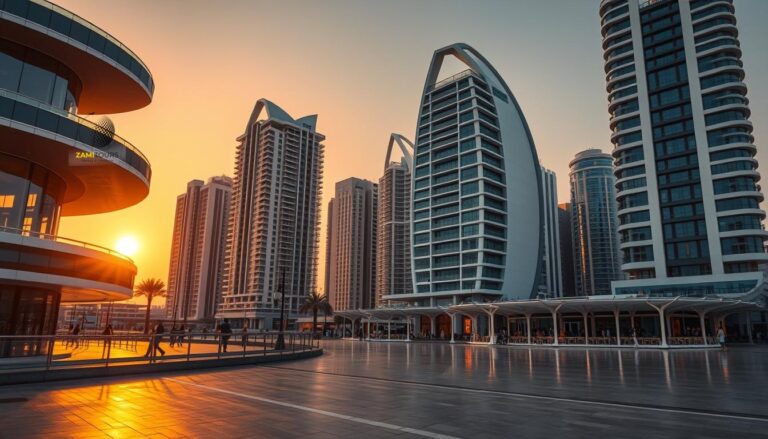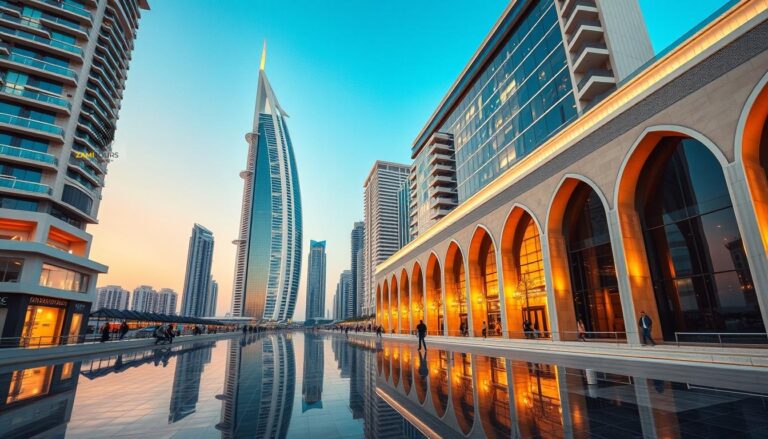



Additionally, the city operates on a different timetable. Restaurant hours shift and public life slows during daylight. Furthermore, evenings come alive with vibrant community spirit and special events. This complete Ramadan visitor guide covers everything from fasting hours to cultural respect. It will help you decide if a visit during this holy month is right for you.
Understanding Dubai in Ramadan
Ramadan is the ninth month of the Islamic lunar calendar. It is a period of fasting, prayer, and reflection for Muslims worldwide. In Dubai, this spiritual observance influences daily life profoundly. The exact dates for Ramadan 2026 are not yet confirmed. They depend on the lunar sighting committee.
Generally, the month shifts about 10-12 days earlier each Gregorian year. Therefore, anticipate it potentially falling in early 2026. Consequently, the city’s energy shifts from its usual fast-paced glamour. A more contemplative and communal feeling takes over.
Dubai in Ramadan Benefits
Traveling to Dubai during this holy month has distinct advantages. You gain a rare, authentic insight into local culture and traditions. Moreover, many hotels and tour operators offer significant discounts and special packages. The weather is often milder if Ramadan falls in the winter months.
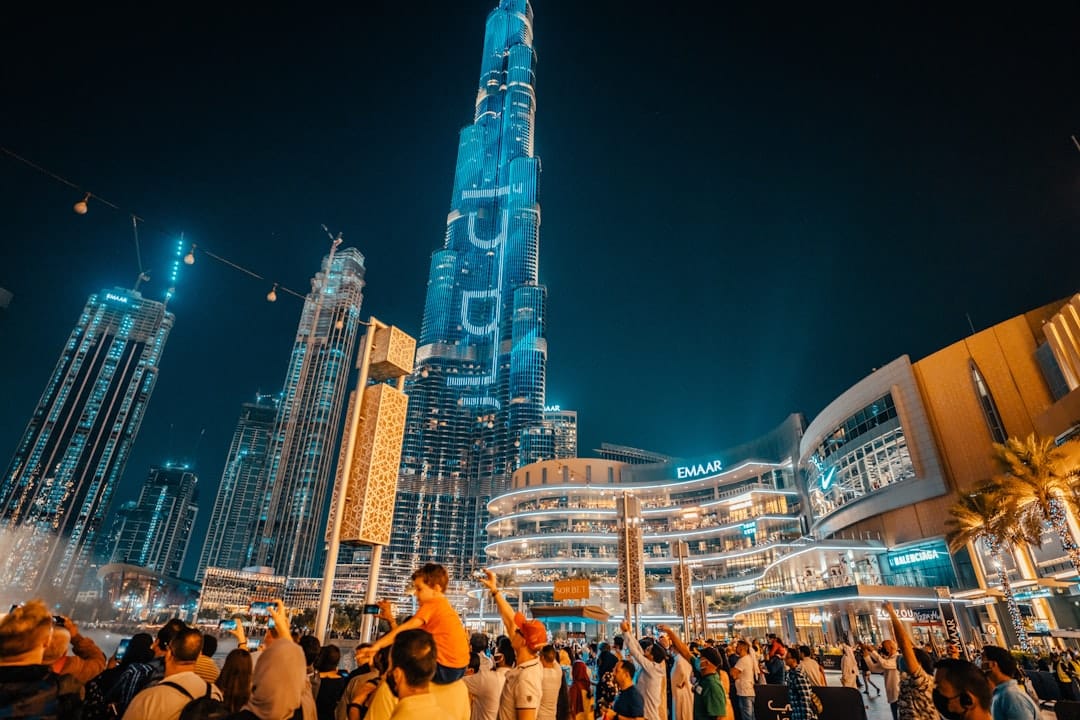
Additionally, evenings are spectacular with special events, decorations, and festive lights. Iftar and Suhoor meals become grand, social feasts you can partake in. Therefore, your Dubai in Ramadan experience can be both culturally rich and financially savvy.
How Dubai in Ramadan Works
The core of Ramadan is fasting from dawn until sunset. Able-bodied Muslims abstain from food, drink, and smoking during daylight hours. This practice is called Sawm. Consequently, the city’s public life adapts to accommodate this spiritual practice.
Work hours are typically shortened. Shopping malls may open later in the morning. Furthermore, the rhythm of the day is punctuated by five daily prayers. The evening Iftar meal marks the breaking of the fast. It is a time of celebration and community.
Best Dubai in Ramadan Practices
Cultural respect is paramount for a smooth visit. Dress more conservatively than usual, covering shoulders and knees. This is especially important when visiting malls or older districts. Refrain from eating, drinking, or chewing gum in public during fasting hours.
Many restaurants and food courts are closed until sunset. However, most hotels have designated screened areas for non-fasting guests. Additionally, playing loud music or public displays of affection should be avoided. These simple gestures show respect for local customs and those observing the fast.
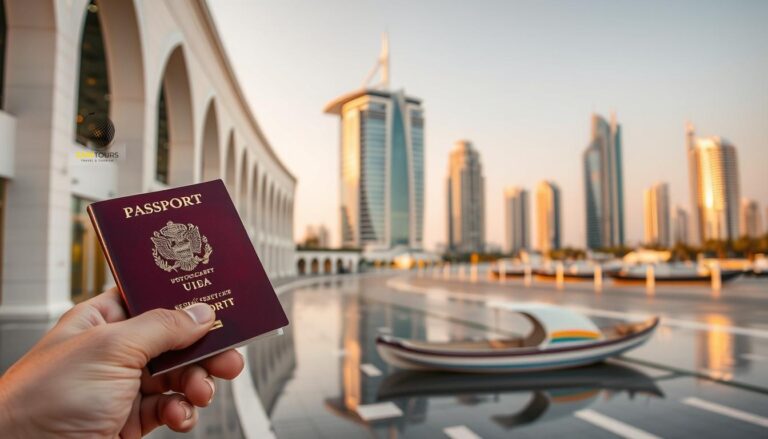
Apply for Dubai and UAE tourist visa online well in advance. This ensures your travel plans align with the Ramadan schedule.
Dubai in Ramadan Implementation
Planning your daily itinerary requires forethought. Mornings are quiet, making it a good time for indoor activities. Visit museums, art galleries, or indoor ski slopes. As the day progresses, the city becomes increasingly quiet.
Meanwhile, plan for Iftar. This is a wonderful cultural experience. Many hotels and venues offer lavish Iftar buffets. Booking in advance is highly recommended. After Iftar, the city bursts into life. Nights are lively with people shopping, socializing, and praying until the early hours.
For any visa issues, WhatsApp our visa support team for immediate assistance.
Advanced Dubai in Ramadan Strategies
To truly embrace the spirit, go beyond the tourist path. Seek out community Iftar tents for a more local experience. Attend a Ramadan night market or a cultural lecture. Explore the historic Al Fahidi and Al Seef districts after sunset. The atmosphere is magical.
Specifically, look for special Ramadan-themed tours. These are often led by cultural experts. They provide deeper context to the traditions you are witnessing. Alternatively, consider a desert safari that includes a traditional Iftar meal under the stars. This creates an unforgettable memory.
Indian nationals can secure their trip with our 30-day Dubai tourist visa for Indian nationals.
Dubai in Ramadan Success Tips
Stay hydrated and plan your meals around available dining options. Carry a bottle of water with you, but be discreet when drinking. Schedule your sightseeing to avoid the hottest part of the day. Be patient, as service may be slower due to shorter working hours and staff fatigue.
Moreover, use ride-hailing apps like Careem or Uber. They are more reliable than hailing taxis during peak Iftar times. Finally, learn a few basic Arabic phrases. “Ramadan Kareem” (Generous Ramadan) is a gracious greeting. This small effort is always appreciated.
Future of Dubai in Ramadan
Dubai continues to evolve as a global hub that respects its traditions. Each year, the city finds new ways to welcome tourists during Ramadan. Expect more curated cultural events and tourist-friendly Iftar experiences in the future. The balance between modernity and tradition is a key part of the city’s identity.
Consequently, visiting during this time will likely become even more accessible. The essence of community and spirituality, however, will remain the heart of the month. This makes a Dubai in Ramadan journey a timelessly rewarding experience.
Travel professionals can register as a travel agent partner with us. Alternatively, use our agent portal for visa applications for streamlined processing.
Frequently Asked Questions
Can tourists eat and drink during the day in Dubai in Ramadan?
Yes, but discreetly. Avoid public consumption of food and drink. Most malls and public areas have designated screened dining areas. Hotel restaurants typically operate normally for guests.
Are tourist attractions open during Ramadan in Dubai?
Most major attractions remain open. However, their operating hours are often reduced, especially during the day. Always check the specific Ramadan timings before your visit.
What is Iftar and can tourists participate?
Iftar is the meal to break the fast at sunset. Tourists are welcome to participate. Many hotels and venues offer spectacular Iftar buffets. It is a fantastic cultural experience.
Is nightlife available in Dubai during Ramadan?
Yes, but it is more subdued. Licensed venues in hotels operate as usual after sunset. Live music may be restricted. The nightlife shifts to late-night shopping, shisha cafes, and cultural gatherings.
What is the dress code for Dubai in Ramadan?
Dress conservatively out of respect. Clothing should cover shoulders and knees in public spaces. Swimwear is acceptable only at hotel pools and beaches.
Should I visit Dubai during Ramadan?
It depends on your travel style. If you seek cultural depth and don’t mind adjusted schedules, it’s a wonderful time. If you prefer constant partying and public daytime dining, consider visiting outside of the holy month.
Conclusion
A journey to Dubai in Ramadan is a deeply rewarding experience. It offers a unique window into the soul of the city. You will witness traditions that have been observed for centuries. The blend of spiritual solemnity and festive evening joy is unforgettable.
By following the guidelines for cultural respect, your visit will be smooth and appreciated. Embrace the slower pace and the opportunity for authentic connection. Therefore, if you are a culturally curious traveler, this holy month is an ideal time to explore. Plan your transformative Dubai in Ramadan adventure for 2026 today.
Start your journey by securing your entry. Check the latest requirements with the UAE Federal Authority for Identity and Citizenship visa regulations, the General Directorate of Residency and Foreigners Affairs Dubai, and the Visit Dubai official tourism portal. For comprehensive international travel information, consult the UAE Ministry of Foreign Affairs visa information and the IATA Travel Centre UAE entry requirements.