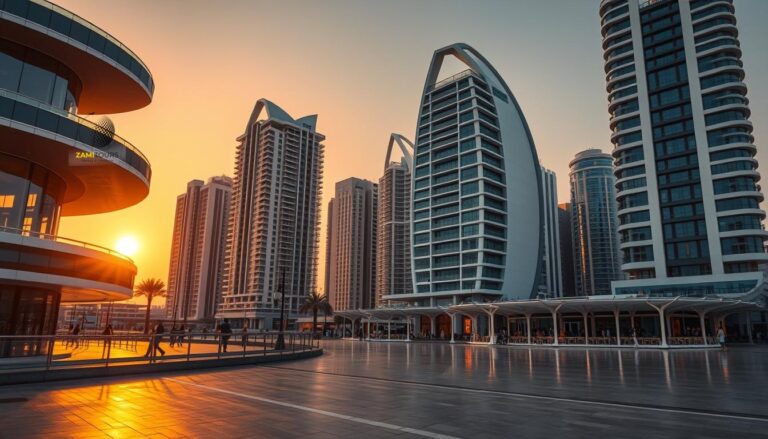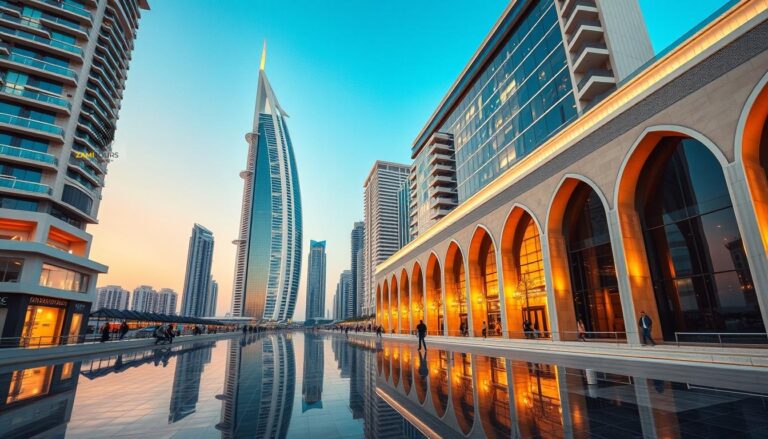


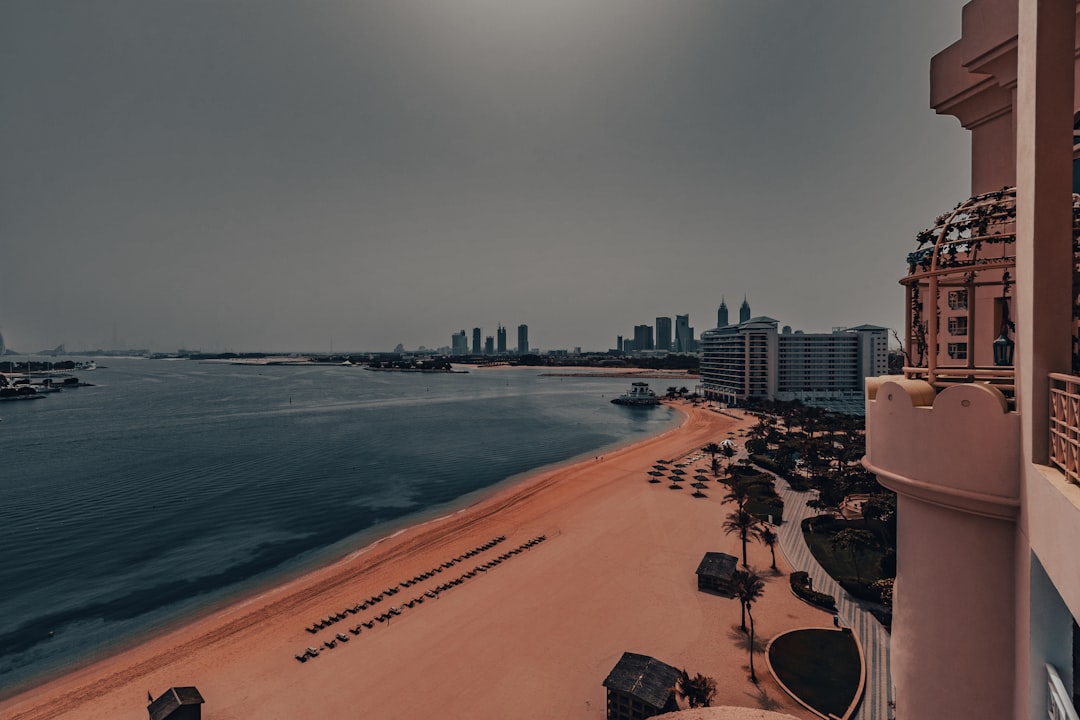

The real estate and tourism sectors will experience significant growth. Consequently, Deira’s global profile receives a substantial upgrade. Specifically, the islands add over 20 kilometers of new beachfront. Meanwhile, the project aligns with Dubai’s 2040 Urban Master Plan. Thus, it marks a pivotal moment for the city’s northern expansion.
2026 marks the anticipated completion of major foundational phases. This aligns with strategic economic diversification goals. Furthermore, the development promises enhanced lifestyle and recreational amenities. For travelers and future residents, access becomes a priority. Therefore, planning your visit or investment requires expert guidance.
Practical implications for tourism are profound. It revolutionizes the concept of a city beach hub. Stakeholders benefit from integrated residential and leisure zones. Moreover, sustainable design principles guide the entire construction. Consequently, environmental and economic results are carefully balanced.
At Zami Tours, trusted by 10,000+ travelers, we provide essential UAE visa and tourism services. Our 5+ years of UAE experience has assisted visitors from 50+ countries. Apply for your Dubai visa online to explore this future landmark.
Understanding Dubai Islands Deira 2026
Dubai Islands Deira 2026 refers to Nakheel’s mega-development of five man-made islands. Furthermore, it involves the creation of a comprehensive coastal community. Moreover, this means over 17 square kilometers of new land. Therefore, the project will fundamentally alter Dubai’s northern shoreline.
Key characteristics include sustainable urban planning and mixed-use districts. Specifically, the islands are named after local wildlife and themes. Additionally, each island will have a distinct purpose and character. Consequently, the development offers varied lifestyle and investment products.
The masterplan ensures a blend of tourism, residential, and retail spaces. Meanwhile, environmental conservation remains a core design pillar. Thus, eco-friendly infrastructure will be prevalent. Subsequently, the islands aim for a harmonious relationship with the marine environment.
Connectivity forms a central focus of the entire project. First, new bridges and marine transport will link the islands. Second, road networks will integrate with existing Deira highways. Third, pedestrian-friendly pathways will encourage walkability. Finally, water taxi stations will provide scenic transit options.
Economic objectives are clear and ambitious. The development seeks to attract international capital. Furthermore, it aims to boost Dubai’s tourism capacity significantly. Moreover, job creation across multiple sectors is a key target. Consequently, long-term value generation is embedded in the vision.
Essential project facts every observer should know include:
- Developer: Nakheel Properties, renowned for Palm Jumeirah.
- Location: Off the coast of historic Deira, Dubai.
- Size: Over 17 square kilometers of total land area.
- Components: Five main islands with dedicated themes.
- Timeline: Major phases scheduled for completion by 2026.
- Beachfront: Creation of over 20 km of new beaches.
- Sustainability: Targeting LEED-certified communities and conservation.
- Investment: Multi-billion dollar project attracting global funds.
Why This Development Matters in 2026
This massive development matters for several strategic reasons. Furthermore, it represents a critical pivot in Dubai’s urban narrative. Moreover, 2026 symbolizes a post-Expo 2040 growth phase. Therefore, the project sustains the city’s developmental momentum.
Deira’s revitalization is a primary beneficiary. Specifically, the historic district gains a modern, world-class anchor. Additionally, property values in surrounding areas receive a positive impetus. Consequently, long-standing communities experience renewed economic energy.
The tourism sector acquires a powerful new asset. Meanwhile, Dubai’s beach offerings were previously concentrated in the south. Thus, the islands democratize premium coastal access. Subsequently, tourist footfall distributes more evenly across the emirate.
Environmental engineering showcases Dubai’s advanced capabilities. First, the island construction employs modern land reclamation techniques. Second, marine ecosystem protection is integral to the process. Third, sustainable utilities set a new standard for future projects. Finally, the blueprint serves as a model for coastal cities worldwide.
Global investor confidence receives a significant boost. The scale demonstrates Dubai’s unwavering commitment to growth. Furthermore, it reinforces the emirate’s safe-haven status for capital. Moreover, diversified real estate products cater to international portfolios. Consequently, foreign direct investment is strongly encouraged.
Key reasons this project holds immense importance:
- Urban Strategy: Executes the Dubai 2040 Urban Master Plan directive.
- Economic Diversification: Creates new real estate and tourism revenue streams.
- Historical Integration: Modernizes Deira while honoring its trading heritage.
- Tourism Expansion: Addresses the growing demand for beach and marina facilities.
- Technological Showcase: Implements smart city and green building innovations.
- Community Creation: Delivers 10,000+ new residential units for various incomes.
- Global Signaling: Affirms Dubai’s position as a leader in mega-projects.
- Future-Proofing: Prepares the city’s infrastructure for long-term population growth.
Dubai Islands Deira 2026 Current Landscape
The current landscape of Dubai Islands Deira 2026 is one of rapid transformation. Furthermore, construction activity is visibly reshaping the coastline. Moreover, significant progress has been made on land reclamation and protection. Therefore, the physical outline of the islands is now clearly defined.
Infrastructure development is advancing systematically. Specifically, seabed dredging and rock wall installation are largely complete. Additionally, utility corridors and foundational piles are being installed. Consequently, the platform for superstructure construction is nearly ready.
Sales and marketing for initial phases have commenced. Meanwhile, investor interest has been strong, particularly for waterfront villas. Thus, off-plan purchase opportunities are currently available. Subsequently, construction-linked payment plans are attracting early buyers.
Regulatory frameworks are fully established. First, all necessary government approvals and environmental permits are secured. Second, master community regulations are drafted. Third, ownership laws for freehold areas are clarified for foreigners. Finally, the project is integrated into Dubai’s wider planning database.
The surrounding context of Deira is also evolving. Road network upgrades are underway to handle future traffic. Furthermore, the Deira Islands’ existing projects create a synergistic effect. Moreover, the area’s traditional markets are preparing for increased visitor numbers. Consequently, a holistic urban renewal is in motion.
Present-day status and observable progress indicators:
- Land Reclamation: Over 80% of the total land area is now formed.
- Protective Barriers: Breakwaters and sea walls are fully constructed.
- First Launches: Residential plots and hotel sites on Island 1 are sold.
- Infrastructure: Primary substations and water network pipelines are being laid.
- Connectivity: Designs for the main connecting bridges are finalized.
- Sales Pavilions: Nakheel’s sales centers feature detailed models and units.
- Environmental Measures: Coral transplantation and marine monitoring are active.
- Masterplan Registration: The project is officially registered with the DLD.
Key Project Features and Benefits
The project’s features deliver a multitude of tangible benefits. Furthermore, its design prioritizes human-centric living alongside environmental care. Moreover, every element aims to create a self-sufficient, vibrant community. Therefore, residents and visitors enjoy a comprehensive lifestyle experience.
Premium beach access stands as the most prominent feature. Specifically, each residential cluster will have direct or proximate beach entry. Additionally, public beaches will be meticulously maintained and lifeguarded. Consequently, the daily beach lifestyle becomes a convenient reality for thousands.
Marina and yachting facilities cater to the maritime enthusiast. Meanwhile, the development includes dedicated berths for hundreds of vessels. Thus, it becomes a key nautical hub in the Gulf. Subsequently, this boosts Dubai’s status as a global yachting destination.
Green spaces and parks are woven throughout the masterplan. First, each island will contain significant landscaped areas and community parks. Second, mangrove conservation zones will be protected and enhanced. Third, pedestrian green corridors will link major districts. Finally, urban farming initiatives may be incorporated.
The retail and dining scene is designed for diversity. Boutique shopping, waterfront cafes, and gourmet restaurants will line the promenades. Furthermore, traditional souk elements might be reinterpreted in a modern format. Moreover, this creates a dynamic day-and-night economy. Consequently, the community feels alive around the clock.
Standout features and their direct benefits include:
- Private Beachfronts: Exclusive access enhances property value and lifestyle.
- Smart City Tech: Integrated IoT improves security, efficiency, and convenience.
- Central Iconic Plaza: A landmark gathering space for events and festivals.
- Eco-Islands: Focus on sustainability ensures lower living costs and a healthier environment.
- Mixed-Use Districts: Live-work-play model reduces commute times and traffic.
- 5-Star Hotels & Resorts: Introduces world-class hospitality and service jobs.
- Leisure Attractions: Potential for theme parks or family entertainment centers.
- Community Centers: Facilities for education, wellness, and socializing foster connections.
Dubai Islands Deira 2026 Requirements Process
Engaging with Dubai Islands Deira 2026 involves a clear process. Furthermore, this applies to investors, future residents, and business operators. Moreover, understanding the steps ensures a smooth and compliant transaction. Therefore, prospective stakeholders must follow established guidelines.
Financial readiness is the first fundamental requirement. Specifically, investors must demonstrate proof of funds or financing pre-approval. Additionally, non-resident buyers must understand the foreign ownership regulations. Consequently, consulting with a Dubai business setup expert is advisable.
The purchasing process for real estate is structured. Meanwhile, off-plan sales are regulated by Dubai’s escrow laws. Thus, investor payments are securely held until construction milestones. Subsequently, this system protects the buyer’s capital.
Due diligence is a non-negotiable phase. First, verify the project’s RERA registration and completion timelines. Second, scrutinize the Sales Purchase Agreement (SPA) with a legal advisor. Third, understand the service charges and community fees. Finally, check the developer’s track record for delivery.
For businesses and retailers, a separate process exists. Licensing applications must align with the zone’s commercial masterplan. Furthermore, concepts must fit the community’s thematic and demographic profile. Moreover, physical store designs require management approval. Consequently, early engagement with Nakheel’s leasing team is critical.
Key steps and requirements for involvement:
- Investment Planning: Define budget, property type (villa, apartment, plot), and purpose.
- Developer Engagement: Visit official sales centers or authorized broker partners.
- Documentation: Prepare passport copies, proof of address, and financial statements.
- Residency Visa Links: Property purchase can qualify for a UAE investor visa.
- Payment Plan Selection: Choose from construction-linked or post-handover plans.
- Agreement Signing: Execute the SPA and register the Oqood (interim title) with DLD.
- Construction Monitoring: Receive regular progress updates from the developer.
- Handover & Registration: Final payment, snagging, and issuance of the title deed.
Cost Analysis and Pricing Insights
A detailed cost analysis reveals compelling value propositions. Furthermore, pricing varies significantly by island, plot size, and property type. Moreover, early-bird investors have secured favorable rates during initial launches. Therefore, current prices may represent a strategic entry point.
Beachfront villas command the highest price per square foot. Specifically, direct sea views and private beach access premium. Additionally, larger plot sizes on the outer island rims are most exclusive. Consequently, these assets are predicted to see strong capital appreciation.
Apartments and townhouses offer more accessible entry points. Meanwhile, clusters near central amenities provide great convenience. Thus, they attract both owner-occupiers and rental investors. Subsequently, rental yields are projected to be competitive with other Dubai beach communities.
Commercial and retail space pricing follows different metrics. First, footfall projections and catchment demographics drive valuations. Second, hospitality plots are priced based on room keys and star rating. Third, marina berth leases are priced per linear meter annually. Finally, F&B outlet spaces may include a revenue share component.
Beyond the purchase price, ongoing costs must be factored. Service charges for extensive amenities will be defined. Furthermore, utility costs for district cooling and water are separate. Moreover, community membership fees for premium clubs may apply. Consequently, the total cost of ownership requires holistic calculation.
Pricing landscape and cost considerations:
- Villa Plots: Starting from AED X million for standard plots; beachfront premiums apply.
- Apartment Units: Studio to 4-bedroom units, with prices from AED Y million.
- Hotel Apartments: Investment product with managed rental returns.
- Commercial Plots: Land priced for developers to build hospitality or retail.
- Payment Plans: Attractive post-handover and installment plans available.
- Service Charges: Estimated to be competitive with Palm Jumeirah communities.
- Government Fees: 4% DLD transfer fee, plus agent commission (if applicable).
- Financing: Mortgage options from UAE banks for completed properties.
Step-by-Step Implementation and Progress
The project’s implementation follows a meticulous, phased approach. Furthermore, each phase has defined deliverables and handover dates. Moreover, progress is closely monitored by RERA and the developer’s board. Therefore, transparency for stakeholders is maintained throughout.
Phase 1 focuses on core infrastructure and the first residential island. Specifically, this includes the land reclamation, protective breakwaters, and primary utilities. Additionally, the first set of villas and a beach club are under construction. Consequently, initial communities will be habitable by the 2026 timeline.
Subsequent phases roll out the remaining islands and their themes. Meanwhile, specialized contractors are appointed for marinas, hotels, and attractions. Thus, construction quality and timely delivery are prioritized. Subsequently, the full vision materializes in a coordinated sequence.
Technology integration occurs in parallel with physical construction. First, smart city infrastructure like fiber optics and IoT networks is installed. Second, sustainable systems for waste management and energy are built. Third, digital twin technology may be used for facility management. Finally, all systems are tested before community occupation.
Community activation begins even before full completion. Soft openings of beaches and parks will generate early interest. Furthermore, pop-up events and preview centers will engage the public. Moreover, this builds a sense of place and anticipation. Consequently, the islands become a living destination ahead of final handover.
Implementation timeline and key milestones:

- 2022-2023: Completion of land reclamation and sea wall construction.
- 2024: Infrastructure for Phase 1 islands (roads, utilities, drainage) finished.
- 2025: Handover of first residential villas and beachfront clusters.
- 2026: Operational launch of first hotel, marina, and public beaches.
- 2027-2028: Construction of central retail plaza and entertainment districts.
- 2029: Completion of major themed attractions and secondary islands.
- 2030: Full build-out of all five islands and final community amenities.
- Ongoing: Marine environment monitoring and habitat enrichment programs.
Dubai Islands Deira 2026 Comparison Analysis
A comparison analysis highlights this project’s unique position. Furthermore, it differs from previous Nakheel projects in scale and sustainability focus. Moreover, its location in Deira sets it apart from southern beach communities. Therefore, it carves a distinct niche in Dubai’s real estate landscape.
Versus Palm Jumeirah, the islands offer a different urban fabric. Specifically, the layout is more accessible with a grid-inspired road network. Additionally, environmental integration and green spaces are more pronounced. Consequently, it feels less dense and more community-oriented.
Compared to Deira Islands’ earlier phases, this project is more holistic. Meanwhile, it incorporates lessons learned about connectivity and tenant mix. Thus, the residential-commercial balance is more carefully planned. Subsequently, it aims for a truly round-the-clock inhabited community.
Against other global waterfront developments, Dubai’s execution speed is unparalleled. First, the ability to deliver such scale within a decade is unique. Second, the integration of luxury with sustainability is cutting-edge. Third, the legal framework for foreign ownership is exceptionally clear. Finally, the tax-free investment environment is a major competitive advantage.
For potential residents, the choice often involves lifestyle preferences. Proximity to Dubai’s historic center and traditional souks is a plus. Furthermore, the focus on beaches rather than a monolithic “frond” layout appeals to many. Moreover, the promise of newer infrastructure and smart technology is attractive. Consequently, it represents a next-generation evolution of island living.
Comparative advantages and differentiators:
- Location: Northern Dubai offers a different cultural and geographic proximity.
- Sustainability: Newer project allows for latest green building codes and tech.
- Masterplan: Designed with modern urban planning principles for better livability.
- Affordability: Entry-level price points may be more accessible than established palms.
- Community Focus: Greater emphasis on parks, public spaces, and local retail.
- Transport: Planned integration with water transport and future road corridors.
- Investment Stage: Early-phase opportunity with higher growth potential.
- Thematic Variety: Five islands allow for diverse sub-communities within one masterplan.
Common Challenges and Practical Solutions
Anticipating challenges allows for proactive solution development. Furthermore, mega-projects inherently face logistical, environmental, and market-related hurdles. Moreover, a transparent approach to these issues builds stakeholder trust. Therefore, acknowledging and addressing them is crucial.
Construction logistics in a marine environment are complex. Specifically, material delivery, labor accommodation, and weather disruptions pose risks. Additionally, protecting the existing coastal marine life requires constant vigilance. Consequently, the developer employs advanced project management and environmental protocols.
Market absorption of a large volume of new units is a consideration. Meanwhile, Dubai’s proven demand for quality beach property mitigates this risk. Thus, phased launches align supply with market capacity. Subsequently, price stability and community occupancy are carefully managed.
Connectivity during and after construction is a vital concern. First, temporary traffic management plans are implemented during the build phase. Second, permanent transport solutions are designed for capacity from day one. Third, alternative marine transit is promoted to reduce road reliance. Finally, smart mobility options like EV charging and shuttle services are included.
For investors, the primary challenge is navigating the off-plan process. Understanding payment plans, handover delays, and final specifications requires guidance. Furthermore, selecting the right unit for investment goals needs research. Moreover, managing the property post-handover from abroad can be daunting. Consequently, partnering with reputable agencies for investment visa and property management is key.
Potential challenges and their identified solutions:
- Marine Environmental Impact: Solution: Ongoing coral relocation, artificial reefs, and strict runoff controls.
- Construction Timeline: Solution: Stringent contractor penalties/incentives and milestone tracking.
- Infrastructure Strain: Solution: Proactive coordination with Dubai’s RTA and DEWA for upgrades.
- Market Competition: Solution: Unique thematic positioning and competitive pricing strategy.
- Investor Confidence: Solution: Escrow account protection and transparent progress reporting.
- Community Building: Solution: Early resident events and community app for engagement.
- Traffic Congestion: Solution: Multi-modal transport plan with bridges, ferries, and promenades.
- Long-Term Maintenance: Solution: Established owners’ association and pre-funded sinking fund.
Traditional Dubai vs. The New Islands Hub
The emergence of this new hub creates an interesting contrast with traditional Dubai. Furthermore, it represents a shift in urban development philosophy. Moreover, it complements rather than replaces the existing city fabric. Therefore, understanding the differences enriches the appreciation of both.
Geographically, traditional Dubai’s growth spiraled out from the Creek. Specifically, business districts (DIFC) and residential areas (Jumeirah) developed southwards. Additionally, iconic projects like the Burj Khalifa anchored this southern corridor. Consequently, the city’s center of gravity leaned in that direction.
The new islands hub rebalances this dynamic. Meanwhile, it draws significant attention and investment back to the historic north. Thus, it corrects a long-standing geographic imbalance. Subsequently, Deira reclaims its status as a vital, modern urban center.
Lifestyle offerings also present a contrast. Traditional Dubai excels in ultra-luxury, high-rise living and mega-malls. Conversely, the islands hub promises low-rise, beach-focused, community-oriented living. Furthermore, it integrates more natural elements directly into daily life. Moreover, the pace and atmosphere aim to be more relaxed and family-centric.
Cultural integration is approached differently. The islands will feature modern interpretations of Arabian coastal architecture. Meanwhile, traditional Dubai preserves heritage areas like Al Fahidi. Thus, the city showcases both preserved history and futuristic innovation. Consequently, visitors and residents enjoy a richer, more layered experience.
Comparative aspects of the two models:
- Urban Form: Traditional: Vertical, dense corridors. New Hub: Horizontal, archipelago-based.
- Core Attraction: Traditional: World records, shopping, business. New Hub: Beaches, marinas, community.
- Architecture: Traditional: Global iconic skyscrapers. New Hub: Modern Arabic coastal vernacular.
- Transport: Traditional: Metro and highway reliant. New Hub: Multi-modal with strong marine transit.
- Community Feel: Traditional: Fast-paced, international metropolis. New Hub: Village-like, neighborhood-focused.
- Investment Profile: Traditional: Established, high-value assets. New Hub: Growth-oriented, emerging area premiums.
- Tourism Appeal: Traditional: Iconic sightseeing and luxury. New Hub: Leisure, relaxation, and water sports.
- Environment: Traditional: Urban parks and man-made lakes. New Hub: Direct sea access and native landscaping.
Future Dubai Islands Deira 2026 Trends 2026-2030
The period from 2026 to 2030 will see the full maturation of Dubai Islands Deira 2026. Furthermore, trends will shift from construction to community cultivation and economic activation. Moreover, the area will solidify its reputation as a must-visit destination. Therefore, anticipating these trends is valuable for all stakeholders.
Technology integration will deepen beyond initial smart city features. Specifically, AI-driven community management, autonomous shuttle trials, and digital concierge services will emerge. Additionally, blockchain for property management and community voting could be implemented. Consequently, the islands will become a living lab for urban innovation.
The evolution of the local economy will be a key trend. Meanwhile, home-grown retail brands and F&B concepts will flourish in the boutique spaces. Thus, the area will develop its own unique commercial identity. Subsequently, it will attract entrepreneurs seeking a creative, waterfront environment.
Sustainability metrics will become a major selling point. First, achievements in water conservation, waste recycling, and energy efficiency will be published. Second, the marine habitat recovery will be monitored and showcased. Third, the community may pursue formal net-zero or carbon-neutral certifications. Finally, eco-tourism linked to the conservation efforts will develop.
Cultural and event programming will define the social calendar. A signature festival, perhaps a maritime or sand arts festival, will likely be established. Furthermore, the plazas and beaches will host regular concerts, markets, and sporting events. Moreover, this constant activity will ensure high occupancy for rentals and hotels. Consequently, the islands will be perpetually dynamic.
Predicted trends shaping the post-2026 era:
- Community Maturation: Landscaping matures, social networks solidify, and local traditions form.
- Secondary Market Growth: Resale of initial units and plot redevelopment by owners.
- Transport Evolution: Expansion of water taxi routes and potential integration with flying taxis.
- Wellness Focus: Growth of spa, yoga, meditation, and marine therapy offerings.
- Educational Facilities: Potential for international school campuses or specialized academies.
- Hybrid Hospitality: Rise of boutique hotels, serviced apartments, and branded residences.
- Digital Nomad Appeal: Co-working spaces with beach views attract remote professionals.
- Green Tech Showcase: Adoption of new tech like green hydrogen or vertical farming.
Expert Tips for Engagement and Investment
Expert guidance maximizes returns and minimizes risks in this project. Furthermore, strategic decisions made today will impact long-term outcomes. Moreover, engaging with the right partners is as important as choosing the right property. Therefore, consider these professional recommendations.
Due diligence must extend beyond the developer’s brochure. Specifically, visit the site to grasp the scale and surroundings. Additionally, compare the offered price per square foot with recent transactions in comparable communities. Consequently, you ensure you are paying a fair market price.
Consider the end-user profile for investment properties. Meanwhile, research which unit types (studios, 2-beds, villas) are in highest rental demand. Thus, you align your purchase with market appetite. Subsequently, your rental yield and occupancy rates will be optimized.
Plan for the total cost of ownership and eventual exit. First, factor in service charges, potential vacancy periods, and property management fees. Second, understand the capital gains tax implications (currently none) in your home country. Third, consider the resale process and agent commissions in Dubai. Finally, have a clear investment horizon (5, 7, 10 years).
Engage professional services from the outset. A reputable real estate lawyer should review all contracts. Furthermore, a qualified property advisor can provide objective unit selection advice. Moreover, if seeking residency, consult a specialist for the UAE visa process linked to investment. Consequently, you navigate the complex landscape with confidence.
Actionable expert tips for success:
- Location within Islands: Prioritize plots with permanent sea views, not just canal views.
- Payment Plan Choice: Opt for plans that align with your cash flow; longer plans preserve capital.
- Developer Reputation: Research Nakheel’s track record on handover quality and timelines.
- Community Regulations: Review the community rules (e.g., pet policies, rental restrictions).
- Future Proofing: Consider proximity to planned schools, clinics, and metro/water taxi stations.
- Document Safekeeping: Keep all contracts, payment receipts, and DLD certificates digitally and physically.
- Post-Handover Plan: Line up a property management company before taking keys.
- Visit Requirement: Plan regular visits to monitor construction progress and community development.
Frequently Asked Questions (FAQ)
What exactly are the Dubai Islands Deira 2026?
They are five man-made islands by Nakheel off Deira’s coast. The project creates a new beachfront residential and tourism hub.
When will the first properties be ready to move in?
First handovers for initial villa phases are anticipated around 2025-2026. Construction is progressing in stages.
Can foreigners buy property on the Dubai Islands?
Yes. Foreigners can purchase freehold property in designated areas. This qualifies them for a UAE residency visa.
How do I get to the islands from central Dubai?
New bridges will connect to Deira. Furthermore, water taxis and traditional abras will provide marine access.
What makes this different from Palm Jumeirah?
It features a more open layout, stronger sustainability focus, and is located in historic Deira.
Are there hotels planned on Dubai Islands Deira 2026?
Yes. The masterplan includes plots for 5-star hotels, resorts, and serviced apartment complexes.
What are the main environmental concerns and measures?
Protecting marine life is key. Measures include coral relocation, artificial reefs, and sustainable construction.
Is this a good investment compared to other Dubai areas?
As an early-phase project in a high-growth location, it offers significant long-term appreciation potential.
Conclusion
In conclusion, Dubai Islands Deira 2026 stands as a transformative urban enterprise. Furthermore, it successfully bridges Dubai’s illustrious past with its sustainable future. Moreover, the project delivers tangible benefits across tourism, real estate, and community living. Therefore, its completion will mark a new chapter for the emirate.
The vision extends beyond mere construction of islands. Specifically, it creates a holistic environment where people thrive in harmony with nature. Additionally, it revitalizes a key historic district with modern energy. Consequently, the value generated is cultural, economic, and environmental.
For global citizens and investors, the opportunity is compelling. The chance to secure a stake in a foundational phase of a world-class beach hub is rare. Meanwhile, the process, supported by Dubai’s robust legal frameworks, is secure. Thus, proactive engagement now can yield substantial future rewards.
As the 2026 milestone approaches, excitement will continue to build. We invite you to begin your journey. Explore the possibilities this groundbreaking development presents. Start by securing your travel access to witness this evolution firsthand. Our team at Zami Tours is ready to facilitate your UAE visa and provide insights.
Ready to explore the future of Dubai’s coastline? Your gateway to the new beach hub begins with a simple visa application. Our experts streamline the process for you.