


Understanding Dubai Monsoon Season
The concept of a Dubai Monsoon Season often confuses first-time visitors. However, the term ‘monsoon’ is largely a misnomer for this desert metropolis. Additionally, Dubai experiences minimal annual rainfall, averaging only about 100 millimeters. Furthermore, the city’s climate is characterized by extreme aridity and intense summer heat.
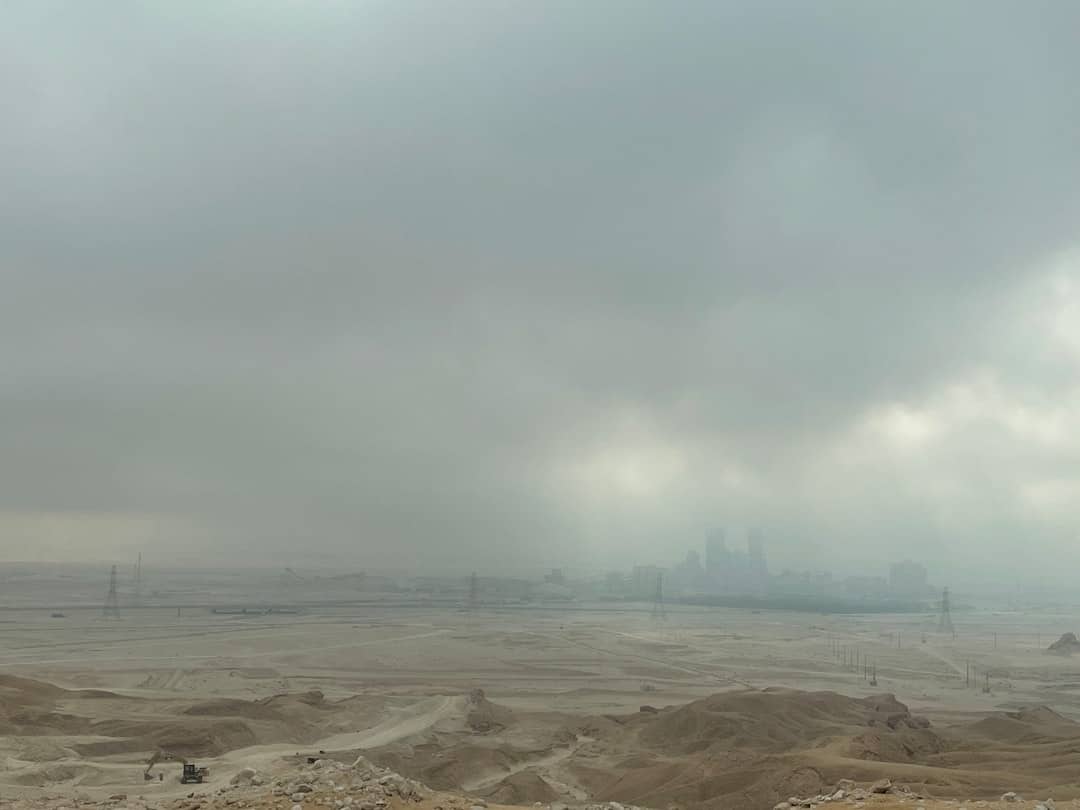
Rainy days are rare and unpredictable events. Therefore, planning around precipitation is generally unnecessary for travelers. The Dubai Monsoon Season, as popularly imagined, does not exist in the conventional sense. Instead, the city has brief, sporadic periods of rainfall.
These typically occur during the winter months. Specifically, between December and March. Consequently, this period sees the highest likelihood of precipitation. However, even then, rain remains an infrequent occurrence.
Dubai Monsoon Season Benefits
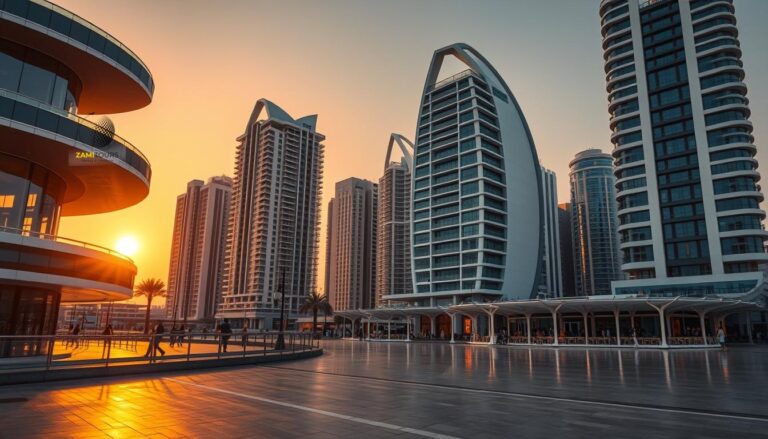
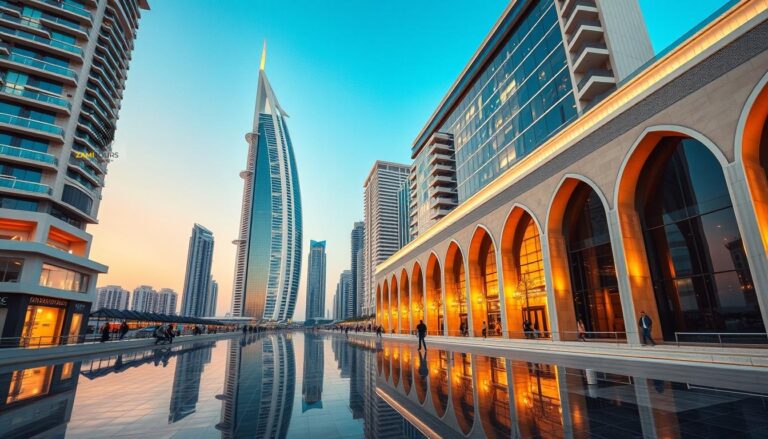
Rain brings several unexpected advantages to the city. Firstly, it provides temporary relief from the ubiquitous dust and sand. Additionally, it dramatically cleanses the air, resulting in spectacularly clear vistas. Furthermore, the post-rain atmosphere often reveals stunning views of the distant Hajar Mountains.
Photographers particularly cherish these rare conditions. Therefore, capturing iconic landmarks like the Burj Khalifa against a freshly washed sky becomes possible. The Dubai Monsoon Season, though minimal, creates unique photographic opportunities. Moreover, the cooler temperatures following rainfall make outdoor exploration more comfortable.
This is a perfect time for desert safaris or city walking tours. Consequently, visitors can enjoy activities typically avoided during the hotter parts of the day. The brief respite from the heat is a welcome change for both residents and tourists alike.
How Dubai Monsoon Season Works
The meteorological patterns governing Dubai’s weather are complex. Generally, the city’s location within a hyper-arid desert region dictates its climate. Typically, rainfall originates from frontal systems moving from the west or northwest. Alternatively, convective cloud development during transitional seasons can cause short, intense showers.
These weather systems are often unpredictable and localized. For example, it might be raining heavily in Jumeirah while Downtown Dubai remains completely dry. Meanwhile, the intensity of rainfall can be surprisingly high when it does occur. Consequently, the city’s infrastructure is designed to manage these infrequent but heavy downpours.
Understanding these patterns is crucial for effective trip planning. Thus, checking short-term forecasts is more reliable than relying on seasonal expectations. The Dubai Monsoon Season concept lacks the predictability of tropical monsoon climates. Rather, it represents a collection of isolated rain events scattered throughout the cooler months.
Best Dubai Monsoon Season Practices
Travelers should adopt specific strategies for potential rainy days. First, always have a flexible itinerary that allows for indoor alternatives. Additionally, pack a lightweight waterproof jacket or umbrella, especially between December and March. Furthermore, monitor local weather apps for real-time updates during your stay.
Indoor attractions become particularly valuable during these periods. Therefore, consider visiting the Dubai Mall, Mall of the Emirates, or other large shopping centers. The Dubai Monsoon Season, while rare, can disrupt outdoor plans. Moreover, museums, art galleries, and indoor theme parks offer excellent rainy-day alternatives.
Transportation planning is also crucial. Since road conditions can change rapidly during heavy showers. Specifically, allow extra travel time and consider using the Metro to avoid traffic delays. Consequently, you can navigate the city efficiently regardless of weather conditions.
Dubai Monsoon Season Implementation
The city has implemented sophisticated infrastructure to manage rainfall. Dubai’s drainage systems are engineered for rapid water dispersal. Additionally, road networks include advanced grading and runoff channels. Furthermore, major construction projects now incorporate comprehensive stormwater management plans.
These systems are tested during the infrequent but intense downpours. Therefore, while some water accumulation occurs, it is typically cleared quickly. The Dubai Monsoon Season preparedness reflects the city’s proactive approach to urban planning. Moreover, authorities continuously monitor and improve flood prevention measures.
Public awareness campaigns also play a crucial role. For instance, residents receive alerts about weather conditions and safety precautions. Consequently, the city maintains functionality even during unusual weather events. This comprehensive approach minimizes disruption from rainfall.
Advanced Dubai Monsoon Season Strategies
Seasoned visitors and residents develop nuanced approaches to Dubai’s weather. Specifically, they identify the best indoor-outdoor combination itineraries. Additionally, they maintain lists of weather-contingent activities for sudden changes. Furthermore, they understand which areas are most and least affected by rainfall.
Knowledge of the city’s microclimates is particularly valuable. For example, coastal areas sometimes experience different weather patterns than inland districts. The Dubai Monsoon Season understanding extends beyond simple rainfall statistics. Moreover, recognizing that winter months offer the best overall climate conditions for exploration is key.
Advanced planning also involves strategic timing. Since mornings often feature clearer conditions before afternoon cloud development. Therefore, scheduling outdoor activities earlier in the day can be beneficial. Consequently, maximizing your enjoyment of Dubai’s diverse attractions becomes easier.
Dubai Monsoon Season Success Tips
Several key practices ensure an enjoyable visit regardless of weather. Firstly, maintain realistic expectations about rainfall probability. Additionally, embrace the novelty of rain in the desert when it occurs. Furthermore, use weather apps that provide hyper-local forecasts for specific Dubai neighborhoods.
Packing appropriate footwear is particularly important. Since unexpected puddles can appear during and after rainfall. Therefore, waterproof shoes provide practical advantages during rare wet conditions. The Dubai Monsoon Season experience can be memorable with the right preparation.
Also, consider the photographic opportunities. Specifically, dramatic cloud formations against modern architecture create stunning images. Moreover, the cleared atmospheric conditions following rain offer exceptional visibility. Consequently, you can capture unique perspectives of the city’s landmarks.
Future of Dubai Monsoon Season
Climate change may influence Dubai’s precipitation patterns in coming decades. Some research suggests potential increases in rainfall intensity. Additionally, changing global weather systems could affect the frequency of rain events. Furthermore, the city continues to invest in climate resilience and water management infrastructure.
Cloud seeding operations represent another evolving factor. Specifically, the UAE’s rain enhancement program aims to increase rainfall in arid regions. Therefore, the nature of the Dubai Monsoon Season may gradually change over time. Moreover, technological advancements continue to improve weather prediction accuracy.
Urban development also influences local microclimates. Since expanding built environments can affect temperature and airflow patterns. Consequently, the interaction between urban growth and weather will remain an important consideration. Understanding these dynamics helps prepare for future weather scenarios.
Visitor Impact Assessment
Rainfall affects tourists in several specific ways. Transportation delays are the most common impact. Additionally, some outdoor attractions may temporarily close for safety reasons. Furthermore, desert safaris might be postponed or canceled during significant rainfall.
However, these disruptions are typically brief. Therefore, having backup plans ensures continuous enjoyment of your trip. The Dubai Monsoon Season rarely causes extended disruptions to well-prepared travelers. Moreover, many visitors find the novelty of desert rain enhances their experience.
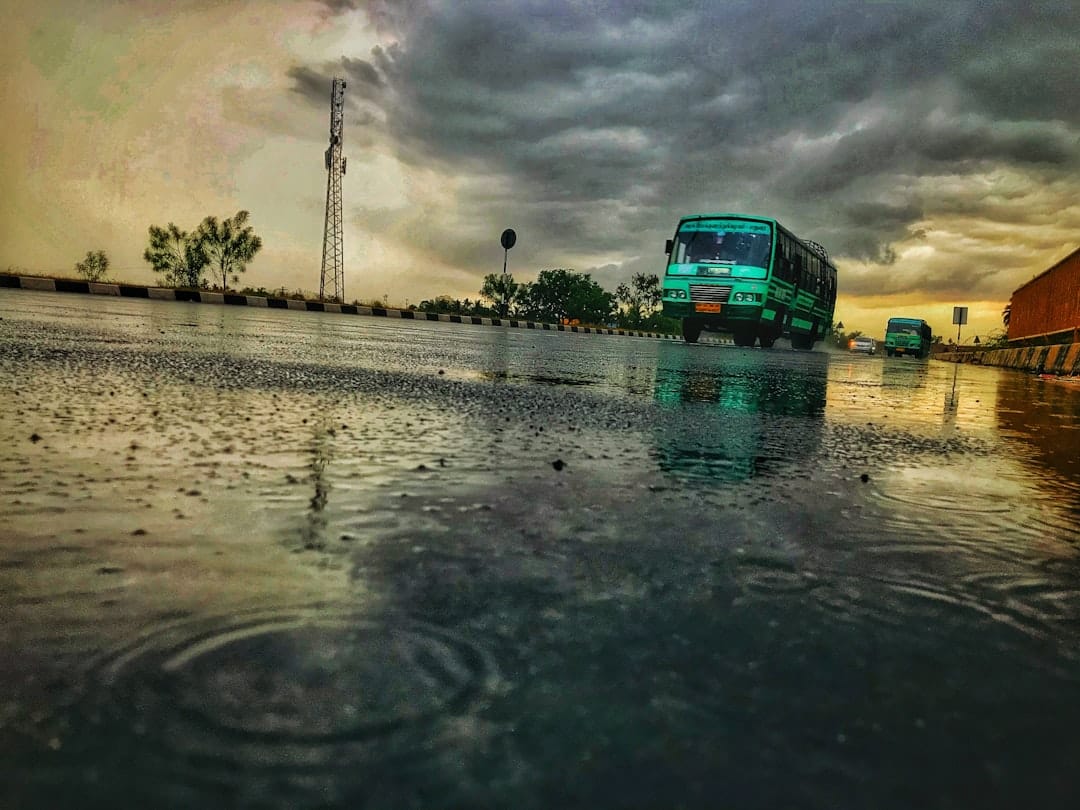
Hotel and resort facilities generally operate normally. Since they are designed to provide comprehensive indoor amenities. Consequently, your accommodation can become a pleasant retreat during brief showers. Understanding these impacts allows for better trip planning and expectation management.
Proper documentation is essential for visiting during any season. Apply for Dubai and UAE tourist visa online through our streamlined platform. Additionally, WhatsApp our visa support team for immediate assistance with any questions. Indian nationals can specifically benefit from our 30-day Dubai tourist visa for Indian nationals service.
Travel industry professionals can register as a travel agent partner to access exclusive rates. Furthermore, our dedicated agent portal for visa applications streamlines the booking process for your clients.
Frequently Asked Questions
Does Dubai have a real monsoon season?
No, Dubai does not have a true monsoon season like Southeast Asia. The term is often misunderstood. Dubai experiences minimal rainfall scattered throughout the year, with slightly higher probability during winter months. Official information can be found through the Visit Dubai official tourism portal.
What months does it rain in Dubai?
Rainfall is most likely between December and March. However, even during these months, precipitation remains infrequent and unpredictable. The UAE Ministry of Foreign Affairs visa information provides travel advisories regarding weather conditions.
How does rain affect transportation in Dubai?
Heavy rainfall can cause traffic delays and road closures in some areas. The Dubai Metro typically operates normally during rain events. For official regulations, consult the General Directorate of Residency and Foreigners Affairs Dubai.
Should I cancel my trip if rain is forecast?
No, rainfall is rarely heavy or prolonged enough to warrant trip cancellation. Most indoor attractions operate normally. Always verify entry requirements at the UAE Federal Authority for Identity and Citizenship visa regulations portal.
What should I pack for potential rain in Dubai?
A compact umbrella and waterproof shoes are sufficient for Dubai’s rare rainfall. The IATA Travel Centre UAE entry requirements provides comprehensive travel preparation information.
Are desert safaris canceled when it rains?
Desert safaris may be postponed or canceled during significant rainfall for safety reasons. Operators typically reschedule or refund in such cases. Always maintain valid travel documentation through our online visa application system.
Conclusion
The Dubai Monsoon Season remains more myth than meteorological reality. However, understanding the city’s actual rainfall patterns enhances travel planning. Additionally, preparing for rare rain events ensures uninterrupted enjoyment of your visit. Furthermore, embracing the novelty of desert rainfall can create unique memories.
Dubai’s infrastructure manages precipitation effectively despite its infrequency. Therefore, visitors can confidently explore this dynamic city year-round. The Dubai Monsoon Season concept ultimately highlights the city’s unique climate characteristics. Moreover, it demonstrates how modern urban planning conquers environmental challenges.
Plan your Dubai adventure with confidence, knowing that weather disruptions are rare and manageable. Ensure your travel documents are in order today. Begin your visa application process now to experience Dubai’s unique climate and unparalleled attractions firsthand.