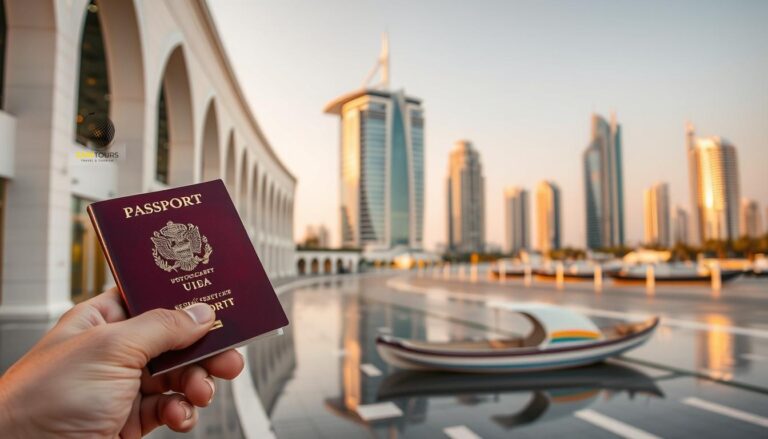




For the adventurous Moroccan traveler, Dubai stands as a beacon of modernity, luxury, and cultural fusion, offering an experience unlike any other. However, the gateway to this dazzling emirate begins with a crucial step: understanding and securing the appropriate visa. Navigating the Dubai visa requirements can seem daunting with changing regulations and specific criteria for each nationality. This comprehensive 2026 guide is designed specifically for Moroccan passport holders, demystifying the entire application process. We will cover everything from eligibility criteria and the exact documents needed to step-by-step processing and vital approval considerations. Ultimately, this knowledge empowers you to plan your unforgettable journey with confidence and ease, ensuring your focus remains on the wonders that await in the UAE.
The United Arab Emirates continues to solidify its position as a premier global destination, with ambitious projects and events lined up through 2026. From the expansive Dubai Creek Tower to the sustainability-focused Expo City Dubai legacy, the emirate is constantly evolving. Furthermore, its strategic initiatives aim to welcome over 40 million visitors annually, simplifying entry procedures while enhancing the tourist experience. This growth presents a significant opportunity for Moroccan tourists and the travel agents who serve them. Understanding the specific entry protocols for Moroccan citizens is not just about compliance; it’s about tapping into a thriving market of travelers seeking both leisure and business opportunities in one of the world’s most dynamic regions.
This is where expertise becomes invaluable. Zami Tours specializes in streamlining this very process. With a trusted network of over 500 travel agents across 40 countries, we have built a reputation for reliability and efficiency in UAE visa processing. Our deep understanding of the nuances involved in applications from different nationalities, including Morocco, allows us to navigate the system effectively. We recognize that each application carries the weight of someone’s dream vacation or critical business trip. Therefore, our approach is built on transparency, accuracy, and dedicated support, ensuring that every traveler and agent we partner with receives service that is as exceptional as the destination itself.
In the following guide, we will walk you through every facet of obtaining a Dubai visa as a Moroccan citizen in 2026. We will start by explaining the current visa landscape and eligibility. Subsequently, we will detail the exhaustive list of required documents and provide a clear, step-by-step breakdown of the application process. Moreover, we will analyze costs, compare visa types, and address common challenges with practical solutions. Additionally, you will find expert tips for a smooth application and answers to frequently asked questions. By the end of this article, you will possess all the knowledge required to approach your Dubai visa application with assurance, whether you are applying individually or through a professional service.
Understanding Dubai Visa Requirements in 2026
The foundation of any successful travel plan is a clear understanding of entry regulations. For Moroccan citizens wishing to visit Dubai, the Dubai visa requirements are specific and must be met precisely. Firstly, it is crucial to know that Morocco is not on the list of countries eligible for visa-on-arrival or visa-free entry to the UAE. Consequently, all Moroccan passport holders must obtain a pre-arranged visa before traveling. This visa is typically an electronic authorization linked to your passport, which you must present to airline staff during check-in and to immigration officials upon arrival in Dubai. The official rules are managed by the UAE Government Portal and enforced by immigration authorities.
The primary visa category for tourists is the short-term visit visa, which comes in several types based on validity and entry allowance. The most common for holidaymakers is the 30-day single-entry tourist visa. However, 60-day single-entry visas and multiple-entry options (valid for 30 or 60 days per entry) are also available for those planning longer stays or multiple trips within a short period. Importantly, all these tourist visas are non-extendable and non-renewable; you must exit the UAE before the visa expires. For longer-term stays, alternatives like employment or family sponsorship visas exist, but these involve a different, more complex process initiated by a sponsor within the UAE.
Eligibility for a Dubai tourist visa extends beyond just holding a Moroccan passport. Applicants must have a passport with a minimum validity of six months from the date of entry into the UAE. Furthermore, you must provide proof of onward travel, such as a confirmed return flight ticket. Authorities also look for evidence of sufficient funds to cover your stay and a confirmed place of accommodation. While not always requested, having these documents ready is a non-negotiable part of meeting the core Dubai visa requirements. The General Directorate of Residency and Foreigners Affairs for Dubai and the Federal Authority for Identity and Citizenship (ICP) for other emirates set these standards to ensure visitors have a secure and planned trip.
Looking ahead to 2026, the UAE is continually digitalizing and refining its immigration services. The trend is toward faster, more integrated online systems. Therefore, while the fundamental requirements for Moroccan travelers are expected to remain stable, the application channels and processing efficiency will likely see further improvements. Staying informed through official channels or trusted partners is key to a hassle-free application experience.
Why Dubai Visa for Moroccans Matters for Travel Agents
For travel agents and agencies, mastering the visa process for specific nationalities like Morocco is not merely an administrative task; it is a significant business opportunity and a critical value-added service. The Moroccan outbound tourism market is robust, with a growing middle class keen on exploring destinations like Dubai. Consequently, agents who can reliably and efficiently secure Dubai visas for their Moroccan clients gain a powerful competitive edge. They become the go-to experts, transforming a complex bureaucratic hurdle into a seamless part of the travel package. This builds immense trust and client loyalty, leading to repeat business and valuable referrals.
Moreover, offering specialized visa services allows agents to create more comprehensive and lucrative travel packages. Instead of simply booking flights and hotels, you can bundle guaranteed visa assistance, travel insurance, and unique experiences. This not only increases the overall transaction value but also enhances the customer experience. Clients are willing to pay a premium for peace of mind, knowing that their visa application is handled by professionals who understand the specific Dubai visa requirements for Moroccans. This expertise turns a standard booking into a curated, stress-free journey from start to finish.
Furthermore, the administrative burden on individual travelers can be overwhelming. Navigating the ICA Smart Services portal, understanding document specifications, and tracking application status requires time and attention to detail. Travel agents alleviate this pain point entirely. By managing the process end-to-end, you save your clients hours of frustration and potential errors. This service is especially valued by family groups, business travelers, and first-time visitors to the UAE. Essentially, you are selling confidence and convenience, which are priceless commodities in the travel industry.
Finally, partnering with a reliable visa service provider like Zami Tours allows agents to scale this offering without investing in specialized in-house immigration expertise. Our B2B agent portal provides a streamlined platform for submitting and tracking multiple applications, accessing competitive rates, and earning commissions. This enables even small to mid-sized agencies to compete with larger players by offering a top-tier visa service, thereby expanding their market reach and solidifying their reputation as full-service travel consultants.
Key Dubai Visa Features and Benefits for Moroccans
The Dubai visa system offers several features specifically designed to cater to the needs of international tourists, including those from Morocco. Understanding these benefits helps travelers choose the right visa type and appreciate the flexibility available. The most prominent feature is the electronic format. Once approved, the visa is electronically linked to your passport number, eliminating the need for physical stamps or labels in most cases. This e-Visa can be downloaded and printed for your records, making the process modern and paper-light. Additionally, the standard processing time is efficient, with many applications completed within 3 to 5 working days, and urgent same-day processing available for those with last-minute plans.
Another significant benefit is the availability of multiple entry visas. While the single-entry visa is perfect for a one-off holiday, the multiple-entry option is ideal for business travelers or frequent visitors who plan to enter and exit the UAE several times within the visa’s validity period. For instance, a 30-day multiple-entry visa allows you to stay for up to 30 days on each visit, over a 60-day validity from the issue date. This flexibility is invaluable for travelers who may need to visit neighboring countries and return to Dubai during their trip. It underscores the UAE’s commitment to facilitating both tourism and business mobility.
Furthermore, the visa application process, especially through authorized agents, is designed for accessibility. Applicants from Morocco can initiate the process from anywhere in the world, submitting scanned documents online without visiting an embassy in person. The requirements, while strict, are clear and standardized. Moreover, the inclusion of mandatory travel insurance with the visa (often covering medical expenses up to AED 50,000) provides an essential safety net for visitors, ensuring help is available in case of unexpected medical situations. This proactive approach to visitor welfare is a cornerstone of the UAE’s tourism strategy.
Ultimately, the key benefit is access itself. A Dubai visa unlocks a world of iconic experiences: from the towering Burj Khalifa and luxurious Palm Jumeirah to the historic Al Fahidi Quarter and vast desert dunes. It grants Moroccan travelers the opportunity to experience unparalleled shopping festivals, global culinary scenes, and cultural events. By obtaining a visa, you are not just getting permission to enter a country; you are receiving a key to a destination that consistently redefines the possibilities of modern travel and hospitality.
Navigating visa rules alone can be stressful. Let Zami Tours handle the complexities for you. For a seamless, professional application experience, get started by filling out our easy UAE visa application form today and leave the processing to our experts.
Dubai Visa Requirements Current Landscape and Trends
The landscape for UAE visas is dynamic, reflecting the country’s agile approach to tourism and global engagement. For Moroccan travelers in 2026, understanding these trends is vital for a smooth application. A major ongoing trend is the deepening integration of artificial intelligence and smart government services. Platforms like the ICA and GDRFA portals are becoming more intuitive, offering real-time status updates and automated document checks. This digital shift aims to reduce processing times and human error. However, it also means that the accuracy of submitted digital documents (scans, photos) is more critical than ever, as AI systems may automatically reject unclear or incomplete files.
Another significant trend is the emphasis on transparent all-inclusive pricing. The UAE authorities are keen on protecting applicants from hidden fees. Reputable service providers now clearly break down government charges, service fees, and insurance costs. This transparency aligns with the broader UAE Consumer Rights framework and builds trust in the system. For Moroccan applicants, this means you should be wary of offers that seem unusually cheap, as they may omit mandatory costs or be fraudulent. The true cost should be clear from the outset, with no surprises later in the process.
Furthermore, post-pandemic travel norms have cemented the requirement for comprehensive travel insurance as a standard part of the tourist visa package. This insurance is no longer an optional add-on but a mandatory component that provides coverage for healthcare, repatriation, and sometimes even trip disruption. This trend is likely to continue and possibly expand in coverage scope by 2026. Additionally, there is a growing linkage between visa applications and broader tourism initiatives. For example, applying for a visa might become more integrated with booking attractions through platforms like Dubai Tourism, creating a more holistic travel planning ecosystem.
Finally, the global context matters. The UAE’s visa policies are influenced by international travel standards promoted by bodies like the International Air Transport Association and the economic analyses of the World Travel and Tourism Council. As these organizations advocate for smoother travel facilitation, the UAE often responds with pilot programs and new visa categories. While the core Dubai visa requirements for Moroccans are expected to remain consistent, the surrounding processes and ancillary services will continue to evolve toward greater speed, transparency, and digital convenience.
Dubai Visa Requirements and Process
At its core, the process of fulfilling Dubai visa requirements for Moroccan citizens involves a sequence of clear steps, each dependent on the accurate preparation of specific documents. The process is designed to be straightforward when approached methodically. It begins with determining the correct visa type based on your travel purpose and itinerary. For most tourists, the 30-day single-entry visa suffices. Once selected, the next phase is document collection. This is the most critical stage, as incomplete or incorrect documents are the primary reason for delays or rejections. After gathering all necessary papers, the application is submitted through an authorized channel, followed by payment and then waiting for processing and approval.
The document checklist is non-negotiable. Every item must meet exact specifications set by the UAE immigration authorities. Below is a detailed table outlining the standard requirements for Moroccan applicants:
| Document | Requirement | Notes |
|---|---|---|
| Passport | 6 months minimum validity | Full-color scan of the bio-data page. Ensure no damage or tears. |
| Photograph | Recent, white background | Size 2×2 inches (5×5 cm). No glasses, neutral expression, full face view. |
| Bank Statement | Last 3 months | Shows consistent transactions and sufficient balance to cover the trip. |
| Confirmed Hotel Booking | For entire stay | Voucher showing guest name(s) and dates matching the visa application. |
| Travel Insurance | Mandatory coverage | Minimum coverage of AED 50,000 for medical expenses. Often included in visa packages. |
| Return Flight Ticket | Confirmed itinerary | Round-trip or onward travel ticket showing exit from UAE within visa validity. |
Please note: Additional documents, such as an NOC from an employer or proof of student status, may be requested depending on the applicant’s profile.
Once documents are prepared, the submission process begins. If applying through an agency like Zami Tours, you would typically upload high-quality scans to a secure portal. The agency’s team then reviews them for compliance before official submission to the immigration system. This pre-check is a valuable service that catches common errors. Subsequently, you make the payment for the visa fees. After submission, the application enters the government processing queue. You can track its status online using a reference number. The standard processing takes 3-5 working days, but this can vary based on application volume and the completeness of your file.
Upon approval, you will receive the e-Visa via email. It is imperative to print a copy of this visa and carry it with your passport when you travel. Airlines will request it at check-in, and immigration officers will scan it upon your arrival in Dubai. Remember, the visa’s validity starts from the date of issue, not the date of entry, so plan your travel dates accordingly. Strict adherence to each step and requirement is the surest path to a successful application, turning the complex into the routine.
Dubai Visa Requirements Cost Analysis and Pricing
Understanding the cost structure is a fundamental part of navigating Dubai visa requirements. The total price is not a single government fee but a composite of several components. For Moroccan applicants, the total cost typically includes the official government visa charge, a mandatory health insurance premium, and the service fee of the processing agency (if used). This structure ensures transparent all-inclusive pricing with no hidden costs. The government fee is fixed, but insurance and service fees can vary slightly between providers based on the coverage level and service quality offered. It is always advisable to request a complete breakdown before proceeding.
For a standard 30-day single-entry tourist visa, the total cost for Moroccan travelers in 2026 is expected to remain in a competitive range. While exact figures are subject to change, the pricing usually reflects the service efficiency and support provided. Reputable companies include everything in their quoted price: government fees, insurance, service charges, and GST where applicable. Payment is conveniently accepted in multiple currencies, including AED, USD, EUR, and GBP, to accommodate international applicants. This multi-currency flexibility simplifies the process for Moroccan travelers paying from abroad.
It is crucial to distinguish between standard and express processing. The standard 3-5 day service has the base cost. However, if you need a visa urgently, same-day or 24-hour processing options are available at a premium. This expedited service can be a lifesaver for last-minute trips or emergency travel. When comparing prices, always check which processing timeline the quote refers to. Furthermore, the cost for a 60-day visa or a multiple-entry visa will be higher than the standard 30-day single-entry option, reflecting the longer validity and greater flexibility they offer.
Ultimately, the value of using a professional service extends beyond the basic fee. The cost covers expert document verification, submission, tracking, and support—services that mitigate the risk of rejection due to avoidable errors. A rejected visa application means lost time and often non-refundable government fees. Therefore, investing in a reliable service like Zami Tours is an investment in certainty. It provides peace of mind, ensuring that your application is handled correctly the first time, which is priceless when planning an important international journey.
Step-by-Step Dubai Visa Guide for Moroccans
Following a meticulous step-by-step approach is the best way to ensure your Dubai visa application is successful. This guide breaks down the process from initial preparation to receiving your visa, providing a clear roadmap for Moroccan applicants.
- Choose Your Visa Type: First, decide on the appropriate visa based on your travel plans. For a typical two-week holiday, the 30-day single-entry tourist visa is perfect. For longer stays or multiple trips, consider the 60-day or multiple-entry options.
- Gather Required Documents: Refer to the document checklist table and collect each item. Ensure your passport scan is clear and your photo meets the strict specifications. Obtain your bank statements, confirmed flight itinerary, and hotel booking. Double-check that all dates align across your documents.
- Select a Processing Channel: You can apply directly via the official ICA website or through an authorized agency. For most travelers, using a trusted agency like Zami Tours is recommended for guidance and error-checking. To begin, you can fill out our UAE visa application form online.
- Submit Application & Pay: Upload your documents to the chosen portal. Review all entered information carefully before final submission. Subsequently, proceed to pay the total visa fees using a secure online payment method. You will receive a confirmation and application reference number.
- Track Application Status: Use the provided reference number to track your application’s progress on the relevant government or agency portal. The status will typically show as “Under Process,” “Approved,” or, rarely, “Rejected.”
- Receive and Print Your E-Visa: Once approved, the e-Visa will be sent to your registered email address. Download the PDF file and print at least one clear copy. Carry this printout with your passport throughout your journey.
During this process, maintaining clear communication is key. If any additional information is requested by the authorities, respond promptly to avoid delays. Moreover, keep a digital copy of your e-Visa on your phone as a backup. After receiving your visa, verify all details—name, passport number, visa type, and validity dates—for any errors. If you spot a mistake, contact your service provider immediately for correction before you travel. Finally, remember that visa approval is always at the discretion of the UAE immigration authorities; even a perfect application can face scrutiny. However, following these steps meticulously maximizes your chances of a positive outcome.
Ready to experience the magic of Dubai without the visa hassle? Our team is here to guide you through every step. Click here to start your application with Zami Tours and secure your visa with confidence.

Dubai Visa Requirements vs Alternative Options
While the tourist visa is the primary route for Moroccan citizens, it is important to understand how it compares to other potential entry methods. This comparison clarifies why the tourist visa is usually the best fit and when alternatives might be considered. The standard Dubai visa requirements for a tourist visa are designed for short-term leisure or business visits. The process is relatively swift, does not require a local sponsor, and can be initiated from outside the UAE. Its main limitation is the short validity (30 or 60 days) and the fact that it cannot be converted to a long-term residence visa from within the country.
One alternative is a visa issued through airline or hotel sponsorship. Some airlines and hotels offer visa services when you book flights or accommodation with them. However, these are essentially the same type of tourist visa, just facilitated by a different sponsor. The requirements are identical, and the processing time and success rate depend on the efficiency of that particular partner. Often, using a specialized visa agency provides more consistent service and dedicated support compared to a large airline or hotel’s ancillary service desk.
For longer-term stays, the alternatives are fundamentally different categories. An employment visa requires a confirmed job offer from a UAE-based company, which acts as your sponsor. This process is lengthier, involves medical tests within the UAE, and is for residency purposes. Similarly, a family sponsorship visa is for those joining immediate family members who are UAE residents. These options are not alternatives for tourism; they are solutions for relocation. Another option is a transit visa, typically valid for 48 or 96 hours, but this is only available through certain airlines if you have a long layover in Dubai and is not suitable for planned holidays.
Therefore, for the vast majority of Moroccan travelers planning a holiday, business meeting, or event attendance, the dedicated tourist visa is the only suitable and practical option. It is purpose-built for their needs. The key is to ensure you apply for the correct tourist visa subtype (single or multiple entry) that matches your itinerary. Comparing it to employment or family visas is like comparing a hotel stay to buying a house; they serve completely different purposes. Focusing on meeting the specific tourist visa requirements is the most direct and efficient path to entering Dubai for short-term visits.
Common Dubai Visa Challenges and Solutions
Even with careful preparation, applicants can encounter challenges. Identifying these common hurdles in advance allows you to proactively address them, smoothing your path to approval. One frequent issue is document quality. Blurry passport scans, photos with shadows or incorrect backgrounds, or bank statements that are not officially stamped can lead to immediate rejection. The solution is strict adherence to specifications. Use a scanner, not a phone camera, for documents. Get a professional digital photo taken against a pure white wall. Request stamped statements from your bank or download official PDF statements that are clearly identifiable.
Another common challenge is insufficient proof of financial means. The UAE authorities want assurance that you can support yourself during your stay. A bank statement with a very low average balance or large, unexplained last-minute deposits can raise red flags. The solution is to provide statements from the last three months showing consistent, legitimate transaction activity that reflects your financial stability. If your funds are insufficient, a sponsor’s guarantee letter (like from a family member) along with their bank statements might be considered, but this adds complexity. Planning ahead and maintaining a healthy account is the simplest approach.
Travel itinerary discrepancies pose another risk. If your flight ticket shows a return date after your visa expires, or your hotel booking does not cover your entire declared stay, the application will likely be denied. The solution is meticulous cross-checking. Before applying, ensure your flight itinerary and hotel booking confirmations have dates that fall within the validity period of the visa you are requesting. All names on these documents must match the passport exactly. Using a travel agent to book coordinated flights and hotels can eliminate this risk entirely.
Finally, a major challenge is navigating the process alone without clear guidance. Misunderstanding a requirement, submitting to the wrong portal, or not knowing how to respond to a follow-up query can cause delays and frustration. The most effective solution is to engage a professional visa assistance service. Companies like Zami Tours have experts who pre-check your file, handle the submission correctly, and manage any communication with authorities. This turns potential challenges into managed tasks, significantly increasing your likelihood of a smooth, successful application. If you hit a snag, don’t hesitate to contact our team for expert help.
Dubai Visa vs Traditional Methods Analysis
The evolution of the UAE’s visa system represents a significant shift from traditional, cumbersome methods to a streamlined, digital-first approach. In the past, obtaining a visa often involved physical visits to embassies or consulates, mailing original documents, and lengthy processing times with minimal transparency. The current e-Visa system for Dubai has revolutionized this experience, particularly for travelers from countries like Morocco. Today, the entire process can be completed online from the comfort of your home, with digital document submissions and electronic approvals. This analysis highlights the profound benefits of the modern system over outdated practices.
Firstly, speed and efficiency are incomparable. Traditional methods could take weeks, whereas the modern e-Visa system guarantees processing within a few working days, with expedited options available. Secondly, accessibility has improved dramatically. Previously, applicants might have needed to travel to another city or country to reach a UAE diplomatic mission. Now, anyone with an internet connection can apply or use a service provider regardless of their location. This is especially beneficial for Moroccan travelers residing outside major urban centers. The digital system operates 24/7, removing the constraints of embassy working hours.
Furthermore, transparency and tracking are major advancements. In the past, you submitted your paperwork and waited in the dark, unsure of your application’s status. The modern system provides real-time tracking with a reference number. You receive email notifications at each stage, and the final e-Visa is delivered directly to your inbox. This end-to-end visibility reduces anxiety and allows for better travel planning. Additionally, the integration of mandatory insurance and clear, all-inclusive pricing within the modern framework offers greater financial predictability and consumer protection compared to the opaque fee structures of the past.
Ultimately, the shift from traditional to digital is a move toward customer-centric service. It aligns with global trends in e-governance and the travel industry’s digital transformation. While the core Dubai visa requirements regarding documents and eligibility remain strict, the method of fulfilling them has become vastly more user-friendly. This progression underscores the UAE’s commitment to welcoming tourists by removing unnecessary bureaucratic friction, making Dubai an even more attractive and accessible destination for Moroccan travelers and the global community.
Dubai Visa Implementation Best Practices
To ensure a flawless visa application experience, adhering to a set of best practices is highly recommended. These practices go beyond simply meeting the basic requirements; they involve a proactive and meticulous approach that significantly elevates your chances of approval. The first and most important practice is to apply early. Do not wait until the last week before your trip. Submit your application at least 15-20 working days in advance of your intended travel date. This buffer accommodates standard processing times and allows room for rectifying any issues or providing additional documents if requested, without panicking about your impending flight.
Secondly, practice extreme diligence with document preparation. Treat every requirement as critical. Use a flatbed scanner for your passport and documents, not a mobile phone camera, to ensure high-resolution, glare-free copies. For the photograph, visit a professional studio and explicitly request a UAE visa photo with a white background, specifying the 2×2 inch dimension. Furthermore, organize your documents clearly: label digital files with your name and document type (e.g., “Ahmed_BENALI_Passport.pdf”). This level of organization helps the processing officer and your visa agent review your file quickly and accurately.
Another key practice is truthfulness and consistency. All information provided in the application form must match the details in your supporting documents exactly. This includes the spelling of your name, your date of birth, your passport number, and your travel dates. Any discrepancy, however minor, can trigger a rejection. Similarly, be honest about your employment, travel history, and purpose of visit. The UAE immigration systems are sophisticated and can cross-reference information. Transparency is always the safest policy. If you have a complex travel history or profile, consider explaining it briefly in a cover letter submitted with your application.
Finally, choose your service provider wisely. If you are using an agency, select one with a proven track record with Moroccan applicants and positive client testimonials. A good agency will not just submit your papers; they will offer a pre-check service, guide you on document specifics, and be available to answer questions. They act as your advocate and navigator. For agents looking to build this service, exploring our UAE visa reseller business guide can provide valuable insights into operating effectively in this space. Implementing these best practices transforms the visa application from a stressful obligation into a well-managed project with a predictable, successful outcome.
Expert Dubai Visa Advice and Tips 2026
Drawing on extensive experience, here is consolidated expert advice for Moroccan travelers seeking a Dubai visa in 2026. First, always verify information through official or highly trusted sources. Visa rules can be updated, and relying on outdated forum posts or non-specialized travel blogs can lead to mistakes. Bookmark the official UAE Government Portal for general policies and use authorized service providers for application guidance. Secondly, understand that a visa is a privilege, not a right. Approval is subject to the sovereign discretion of the UAE authorities. Presenting a strong, clear, and honest application is how you earn that privilege.
One pro tip is to maintain a consistent travel profile. If you are a frequent traveler, ensure your passport has ample blank pages and is not heavily damaged. Having a history of compliant travel to other countries can be beneficial. Conversely, if this is your first international trip, providing extra supporting documents, such as a detailed letter from your employer or proof of property ownership, can strengthen your case by demonstrating strong ties to your home country. Essentially, you want to convince the officer that you have compelling reasons to return to Morocco after your visit.
Moreover, consider the broader travel ecosystem. Book refundable flights and accommodations initially, in case your visa processing takes longer than expected or, in the rare case, is rejected. Once the visa is approved, you can then re-book with non-refundable, cheaper options if you wish. Additionally, while not a visa tip per se, familiarize yourself with UAE laws and customs before you travel. Knowing basic cultural etiquette and regulations (e.g., dress code in public places, restrictions on photography) ensures your visit is not only successful in entry but also enjoyable and respectful.
For travel agents assisting Moroccan clients, expertise is your currency. Deepen your knowledge by understanding commission structures, as detailed in our Dubai visa agent commission guide, and provide white-glove service. For any complex case or if you receive an unclear request from immigration, seek immediate expert guidance. You can always contact Arshad on WhatsApp for dedicated business development and agent partnership support. Ultimately, the goal is a seamless experience that earns trust and fosters long-term business relationships.
Have a quick question before you apply? Get an instant answer from our support team. Chat with Zaid on WhatsApp for quick, friendly assistance.
Frequently Asked Questions
What is the processing time for a Dubai visa for Moroccans?
The standard processing time is 3 to 5 working days. However, express options for same-day or 24-hour processing are available for an additional fee, perfect for urgent travel plans.
What documents are absolutely mandatory?
You must have a passport valid for 6 months, a recent photograph with a white background, confirmed flight tickets, hotel bookings, 3-month bank statements, and mandatory travel insurance.
Can I extend my 30-day Dubai tourist visa?
No, the standard 30-day and 60-day single-entry tourist visas are non-extendable and non-renewable. You must exit the UAE before the visa expires to avoid penalties.
Is travel insurance included with the visa?
Yes, mandatory travel insurance with minimum medical coverage is a standard part of all UAE tourist visa packages offered by authorized agents like Zami Tours.
What are the main reasons for visa rejection?
Common reasons include incomplete documents, insufficient funds, passport validity under 6 months, inconsistent travel itineraries, or a previous immigration violation.
Can I apply for a visa if my passport is new and has no travel history?
Yes, you can apply with a new passport. You may be asked to provide additional proof of financial stability or ties to Morocco, like an employment letter or property documents.
What should I do if my visa is rejected?
First, understand the reason for rejection via your agent. You can reapply by addressing the issue, but it is advisable to wait and strengthen your application before submitting again.
Do children need a separate visa?
Yes, every traveler, including infants and children, must have their own individual visa issued against their passport.
Conclusion
Securing a Dubai visa as a Moroccan traveler in 2026 is a clear and manageable process when approached with the right information and preparation. Throughout this guide, we have detailed every critical aspect, from the foundational eligibility criteria and precise document checklist to the step-by-step application journey and expert strategies for success. Understanding the specific Dubai visa requirements is the first and most important step toward unlocking the extraordinary experiences that await in the Emirates. By meticulously gathering your documents, choosing the appropriate visa type, and following the outlined process, you position yourself for a smooth and successful approval, paving the way for a memorable visit.
Navigating international visa protocols can be complex, but you do not have to do it alone. Zami Tours brings years of specialized expertise and a global network of over 500 agents to the table, ensuring that your application is handled with professionalism and care. Our commitment to transparency, efficiency, and dedicated support transforms what can be a stressful task into a seamless part of your travel planning. Whether you are an individual traveler dreaming of a Dubai holiday or a travel agent seeking reliable visa services for your clients, our platform is designed to deliver results and peace of mind.
Your adventure in Dubai is just an application away. Take the confident next step by visiting our website to explore your options. For individual applications, please use our straightforward online visa application form. Travel agents interested in partnership and competitive commissions are invited to register through our dedicated B2B agent portal. For any personalized queries or immediate assistance, our team is readily available—simply contact our team today. Let Zami Tours be your trusted partner in making your Dubai journey a reality.