


Understanding Old Dubai Heritage Sites
Dubai dazzles with its futuristic skyline and modern wonders. However, its soul resides in the historic creek banks. The Al Fahidi Quarter, also known as Al Bastakiya, offers a profound cultural journey. This area preserves the emirate’s humble beginnings as a pearl diving and trading hub. Additionally, it showcases traditional wind tower architecture and narrow alleyways. Furthermore, a walking tour here connects you to the authentic Emirati spirit. This guide explores the essential Old Dubai Heritage Sites within the Al Fahidi Quarter. It is a must for any visitor seeking depth beyond the glitz.
Old Dubai Heritage Sites Benefits
Exploring these sites provides immense cultural and educational value. You gain a tangible connection to the UAE’s rapid transformation. Therefore, it fosters a deeper appreciation for Emirati traditions and resilience. Additionally, the tour is a peaceful retreat from the city’s bustling modern districts. It is also extremely cost-effective, with many attractions being free or low-cost. Consequently, this journey enriches your travel experience beyond typical tourist activities. You witness the foundation upon which modern Dubai was masterfully built.
How Old Dubai Heritage Sites Works
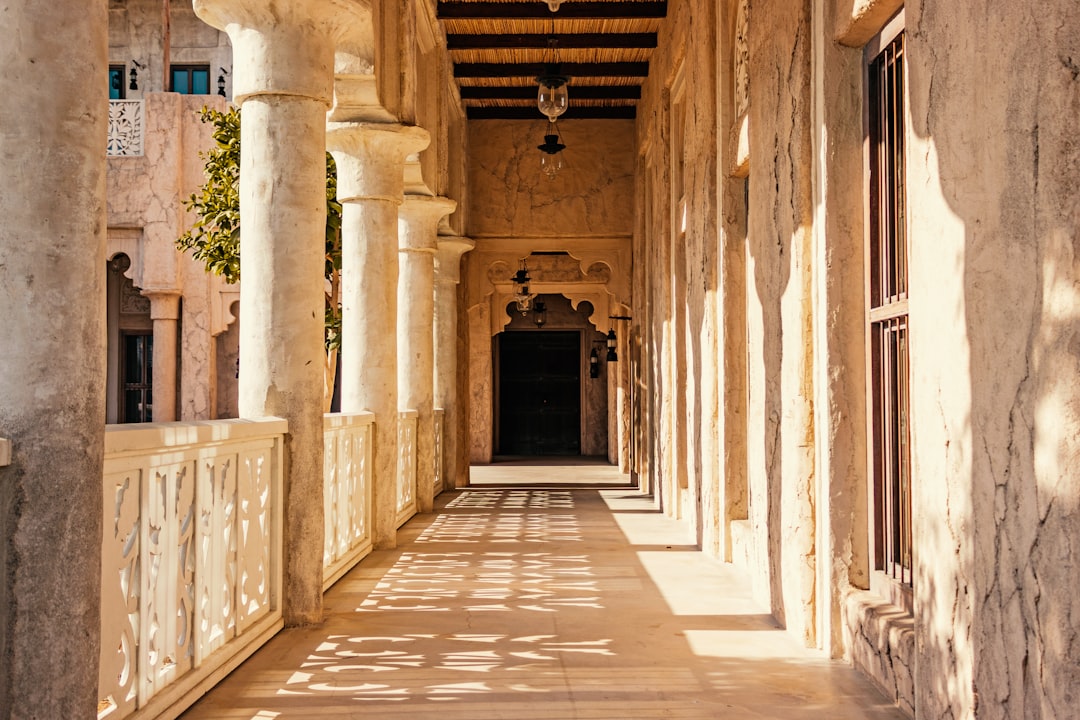
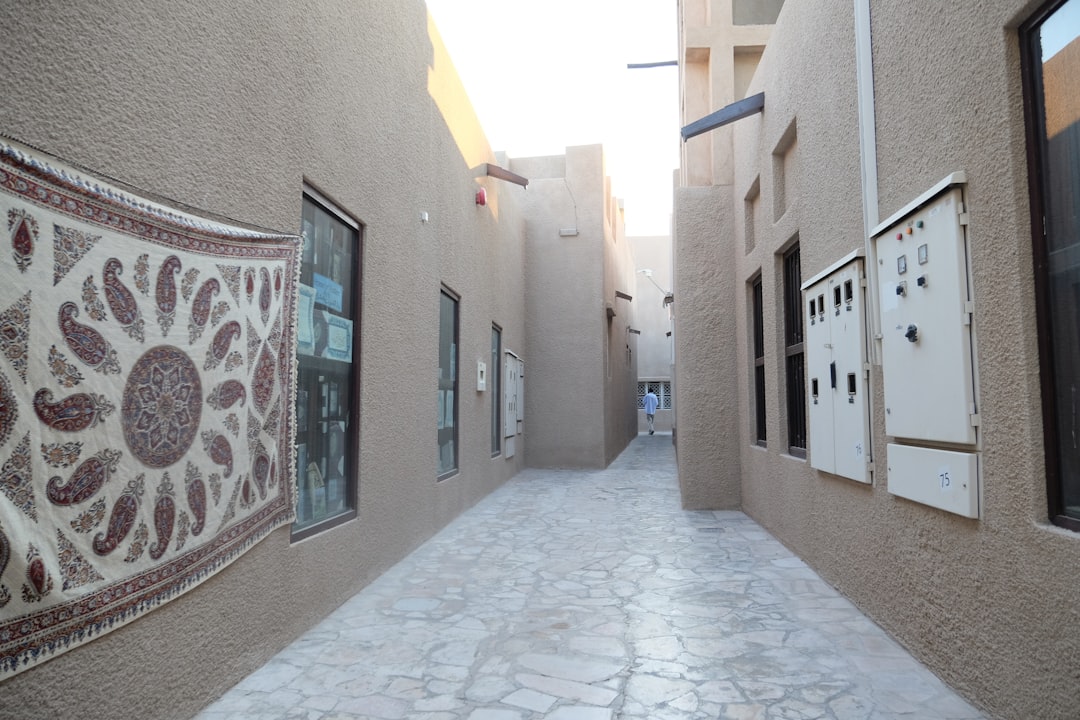
The Al Fahidi Quarter is a beautifully restored historical neighborhood. Its layout reflects traditional Arabian urban design. Narrow, winding lanes were designed to create shade and channel breezes. The iconic wind towers, or Barjeel, served as a natural air conditioning system. Moreover, the area functions as a living museum. You can walk freely through the labyrinthine streets. Specifically, key institutions like the Dubai Museum and Sheikh Mohammed Centre are central to the experience. They provide structured insights into the local culture and history.
Best Old Dubai Heritage Sites Practices
Planning your visit strategically enhances the experience. First, start your tour early in the morning to avoid the intense midday heat. Secondly, wear comfortable walking shoes and modest clothing out of respect. Furthermore, take your time to wander without a strict schedule. Peek into art galleries and quiet courtyards you discover along the way. Meanwhile, always carry a bottle of water to stay hydrated. Alternatively, consider hiring a local guide for richer, more detailed stories. This practice ensures you don’t miss hidden gems and nuanced historical context.
Old Dubai Heritage Sites Implementation
Begin your walking tour at the main entrance of the Al Fahidi Quarter. First, admire the traditional coral and shell-based construction of the buildings. Next, proceed to the Dubai Museum, housed within the Al Fahidi Fort. This fort is the oldest existing building in Dubai. Consequently, it offers a comprehensive overview of the emirate’s pre-oil history and development. Then, visit the Sheikh Mohammed Centre for Cultural Understanding. Here, you can engage in open dialogues and enjoy authentic Emirati meals. Finally, spend time simply getting lost in the serene alleyways. Observe the intricate details of the wind tower architecture up close.
Advanced Old Dubai Heritage Sites Strategies
For a more immersive visit, go beyond the main pathways. Seek out the smaller, lesser-known museums and cultural houses. For example, the Coin Museum and the Coffee Museum provide fascinating niche insights. Moreover, plan your trip to coincide with cultural events or traditional festivals. The Sikka Art Fair often takes place within the quarter. Additionally, consider a combined tour that includes a traditional Abra boat ride across the creek. This connects your heritage walk with the bustling souks of Deira. Thus, it creates a holistic Old Dubai experience. These advanced strategies provide a layered and unforgettable cultural journey.
Old Dubai Heritage Sites Success Tips
Respect and curiosity are your most important tools. Always ask for permission before taking photographs of residents or private spaces. Furthermore, engage with the staff at the cultural centres. They are a wealth of knowledge and happy to answer questions. Meanwhile, support local artisans by purchasing authentic souvenirs from gallery shops. Particularly, avoid visiting on Fridays mornings due to prayer times and reduced operating hours. Instead, weekday mornings are typically the quietest and most pleasant. Following these simple tips will ensure a respectful and deeply rewarding visit.
Future of Old Dubai Heritage Sites
The preservation and promotion of the Al Fahidi Quarter remain a top priority. Dubai continues to balance its futuristic vision with reverence for its past. Consequently, ongoing restoration projects ensure these historical structures stand for generations. Moreover, digital archives and virtual tours are being developed to increase global accessibility. Therefore, the legacy of these Old Dubai Heritage Sites is secure. They will continue to serve as an essential educational and cultural bridge. They remind everyone of the humble, ambitious origins of this global city.
Frequently Asked Questions
What is the best time to visit the Old Dubai Heritage Sites?
The ideal time is from October to April. During these months, the weather is cooler and perfect for a walking tour. Mornings are particularly pleasant for exploring the Al Fahidi Quarter.
Is there an entrance fee for the Al Fahidi Quarter?
General entry to the Al Fahidi Quarter itself is free. However, specific attractions like the Dubai Museum have a small nominal fee. Checking official websites for current prices is recommended.
How long does a typical walking tour take?
A comprehensive walking tour covering the main Old Dubai Heritage Sites typically takes 2 to 3 hours. This allows for a leisurely pace to appreciate the architecture and visit key museums.
What is the purpose of the wind towers?
Wind towers are a traditional Persian architectural element. They functioned as a natural cooling system. They captured cooler breezes from above and funneled them down into the living quarters below.
Can I book a cultural meal at the Sheikh Mohammed Centre?
Yes, the Sheikh Mohammed Centre for Cultural Understanding offers authentic Emirati meals. Advance booking is essential through their official website to secure your spot for this popular experience.
Is the area accessible for visitors with mobility issues?
The narrow, uneven lanes of the Al Fahidi Quarter can be challenging for wheelchairs and strollers. However, major museums like the Dubai Museum have improved accessibility features.
Conclusion
A journey through the Old Dubai Heritage Sites is a journey into the heart of the Emirates. It provides a crucial, humbling perspective on the nation’s incredible story. The Al Fahidi Quarter walking tour is more than just sightseeing. It is an immersive cultural and historical education. Therefore, no trip to Dubai is complete without dedicating time to this historic district. We highly recommend you Apply for Dubai and UAE tourist visa online to begin your adventure. For any questions, feel free to WhatsApp our visa support team. Indian nationals can check our 30-day Dubai tourist visa for Indian nationals. Travel agents can register as a travel agent partner or use our agent portal for visa applications. Start planning your cultural exploration today.