




Crossing the land border from Oman to Dubai represents a unique and fascinating travel experience, connecting two distinct yet complementary Gulf nations. The journey from Oman’s dramatic mountains and serene wadis to Dubai’s iconic skyline and vibrant urban energy is a trip of contrasts, facilitated by several major border posts. Understanding the Oman to Dubai border crossing process, including the correct visa protocols and entry requirements, is absolutely essential for a smooth transition. This guide provides a comprehensive overview for travelers, ensuring your adventure begins without unexpected delays or complications. Whether you are planning a short day trip or a longer multi-city exploration, proper preparation is the key to a successful border passage.
The UAE, with Dubai at its forefront, continues to be a magnet for global tourism and business. The nation is actively enhancing its visitor experience, with significant infrastructure developments and streamlined digital services ahead of major global events. Travel between Oman and the UAE is a cornerstone of regional mobility, supporting a shared economic vision and growing tourism corridor. For travel professionals, facilitating this journey represents a substantial market opportunity. Clients seek reliable, accurate, and efficient handling of their cross-border travel needs, from visa procurement to logistical advice. Partnering with a knowledgeable service provider transforms a complex process into a simple, value-added service.
At Zami Tours, we specialize in demystifying UAE travel regulations for travelers and agents worldwide. With a network of 500+ travel agents across 40+ countries, we provide reliable visa processing and expert travel guidance. Our deep understanding of the nuances involved in the Oman to UAE land crossing allows us to offer precise, up-to-date information and support. We believe in transparent all-inclusive pricing and a client-focused approach, whether you are an individual traveler or a business building a visa service portfolio. Our expertise turns the administrative task of border crossing preparation into a seamless part of the travel experience.
This definitive guide will walk you through every critical aspect of your journey. We will explore the current visa landscape, detail the step-by-step process at the border, and analyze the costs involved. Furthermore, you will find practical advice on day trip planning, common challenges, and expert tips for 2026 travel. Our goal is to equip you with all the knowledge needed to navigate the crossing confidently. Subsequently, you can focus on enjoying the incredible destinations that await on both sides of the border. Let us begin your journey into the details of planning a successful border crossing from Oman to Dubai.
Understanding Oman to Dubai Border Crossing in 2026
The landscape for crossing from Oman into Dubai is dynamic, with procedures and technologies continually evolving to enhance security and traveler convenience. In 2026, travelers can expect processes that increasingly integrate digital pre-clearance and biometric verification, aligning with the UAE’s smart government initiatives. The fundamental principle remains: entry is always at the discretion of the immigration officer at the port of entry. Therefore, possessing the correct visa and documentation is non-negotiable. The Oman to Dubai border crossing primarily utilizes two major land ports: Hili (Al Ain) and Khatam Al Shaklah (Al Ain), which lead into the Emirate of Abu Dhabi, from where you continue to Dubai.
It is crucial to understand that there is no direct land border crossing from Oman into the Emirate of Dubai itself. All land crossings enter the UAE through the Emirate of Abu Dhabi. Consequently, you must comply with the federal entry requirements of the UAE, which are uniformly applied at these ports. The drive from the border to Dubai city typically takes an additional 1.5 to 2 hours. Planning your crossing time is essential, especially during peak weekends, holidays, and the cooler winter months when traffic can increase significantly. Checking the official UAE Government Portal for any last-minute regulatory changes is a recommended best practice before departure.
Primary Border Crossing Points
The Hili border post is a major gateway, particularly for travelers coming from or through Al Buraimi in Oman. Khatam Al Shaklah is another key crossing point near Al Ain. Both are modern facilities with dedicated lanes for different passport holders (GCC nationals, UAE residents, visitors). Additionally, the remote Ghuwaifat border post (linking to Saudi Arabia) is not relevant for the Oman-Dubai route. When approaching, clear signage will direct you to the correct lanes. Having all documents, including passport, visa printout, and vehicle insurance papers, readily accessible will expedite your first stop at the Omani exit passport control.
Why Oman to Dubai Travel Matters for Travel Agents
For travel agents and tourism professionals, facilitating Oman to Dubai journeys is more than a transaction; it’s about crafting a seamless multi-destination experience. The proximity of Oman and the UAE creates a powerful combined itinerary, appealing to travelers seeking both natural beauty and urban luxury. Clients often look to explore Muscat’s culture and fjords before experiencing Dubai’s shopping and architecture. Therefore, agents who can expertly manage the logistics of the land border crossing add immense value. This expertise builds trust, fosters client loyalty, and opens doors to higher-value, customized travel packages.
Moreover, the visa application process can be a point of anxiety for travelers. Providing a reliable, efficient visa service for the UAE removes a significant barrier to booking. Agents who partner with a proficient visa specialist like Zami Tours can offer clients peace of mind with guaranteed processing times and expert support. This allows the agent to focus on crafting the holiday experience while the complex administrative work is handled reliably in the background. The economic significance of this travel corridor is underscored by data from the World Travel and Tourism Council, highlighting the growing contribution of tourism to the regional GDP.
Furthermore, this segment often includes higher-spending travelers on extended Gulf tours, including business travelers combining meetings in both countries. Understanding the specific document needs for land entry versus air arrival is a niche skill that sets an agent apart. By mastering the Oman to Dubai border crossing details, you position your agency as a regional specialist. Consequently, you can capture a market segment that might otherwise book each destination separately or avoid the land transfer due to perceived complexity. Your guidance turns a potential hassle into an adventurous and memorable part of the trip.
Key Oman to Dubai Crossing Features and Benefits
Choosing to cross from Oman to Dubai by land offers distinct advantages that enhance the overall travel narrative. Firstly, it provides unparalleled flexibility and freedom. Unlike air travel, a road journey allows you to set your own schedule, stop at interesting points along the way, and experience the changing landscape of the Arabian Peninsula. Travelers can visit the Al Ain Oasis, a UNESCO World Heritage Site, as a perfect midway cultural stop. This flexibility is particularly valuable for families with children or those carrying substantial luggage or sporting equipment, where airport transfers and check-in can be cumbersome.
Secondly, the land crossing can be more economical, especially for groups. When comparing the cumulative cost of flights for a family or a group with the cost of fuel or a rental car, the road trip often presents significant savings. Additionally, there is no strict luggage weight limit, allowing for more shopping and souvenir space. The journey itself becomes an integral part of the holiday—a road trip through the desert with its own unique charm and photo opportunities. The benefit of having your own vehicle in Dubai also offers greater convenience for exploring the emirate’s numerous attractions.
Another key feature is the procedural clarity of modern border posts. The processes at Hili and Khatam Al Shaklah are well-organized, with sequential steps for exiting Oman and entering the UAE. While wait times can vary, the procedures themselves are standardized. Moreover, for those eligible, the option to obtain a visa on arrival at the border provides spontaneity. However, pre-arranging your UAE visa is overwhelmingly recommended to guarantee entry and avoid any potential refusal at the counter. This is where using a trusted service to secure your visa in advance provides the ultimate benefit: certainty.
Are you feeling overwhelmed by the document checklist and visa rules for the land crossing? Let Zami Tours handle the complexities for you. We ensure your application is complete and compliant, maximizing approval chances. Get started today by using our straightforward UAE visa application form for a stress-free travel experience.
Oman to Dubai Border Crossing Current Landscape and Trends
The current environment for the Oman to Dubai border crossing is characterized by increased digitization and a focus on seamless passenger flow. The UAE authorities have been investing in smart border solutions, which may include pre-registration of vehicle data and advanced passenger information systems in the near future. A significant trend is the move towards mandatory health insurance coverage for all tourist visa holders, a requirement that is now strictly enforced. Additionally, the integration of visa services with the ICA Smart Services portal provides a more unified application platform.
Another notable trend is the rise in “bleisure” travel—trips combining business and leisure—between Oman and the UAE. This has increased demand for flexible, multiple-entry visas that allow professionals to cross the border several times during an extended stay in the region. The growth of regional tourism campaigns promoting the “Gulf Coast” as a single destination also fuels this traffic. Consequently, understanding the specific visa type required for such travel patterns is crucial. The General Directorate of Residency and Foreigners Affairs for Dubai regularly updates its protocols to accommodate these evolving travel purposes.
Environmental considerations are also shaping the landscape. There is a growing awareness of the carbon footprint of travel, and some tourists are consciously choosing a single flight into Muscat followed by a land journey to Dubai, rather than taking two separate flights. This trend aligns with broader global shifts towards more mindful travel itineraries. Furthermore, the post-pandemic emphasis on travel insurance and clear health protocols remains relevant, with travelers expecting transparency on coverage terms, especially for a journey involving two different countries. Staying abreast of these trends allows agents to advise clients proactively and package services that meet modern traveler expectations.
Oman to Dubai Border Crossing Requirements and Process
The specific requirements for a successful Oman to Dubai border crossing depend largely on your nationality and residency status. However, a universal set of core documents and steps applies to almost all travelers. First and foremost, you must possess a passport valid for at least six months from the date of entry into the UAE. For most nationalities, a pre-arranged UAE tourist visa is mandatory before reaching the border. You cannot apply for a standard tourist visa at the Omani land border if you are not from a visa-on-arrival eligible country. Therefore, planning ahead is critical.
The process itself is a two-stage operation: exiting the Sultanate of Oman and entering the United Arab Emirates. Upon reaching the border complex, first follow signs for “Exit” or “Passport Control” for Oman. Present your passport to the Omani officer for an exit stamp. Next, you will proceed to the UAE side of the border. Here, you will go through UAE immigration. Present your passport and the printed copy of your UAE visa. The officer will process your entry, stamp your passport, and may conduct a brief interview regarding your visit purpose. Subsequently, you will pass through a customs check where your vehicle may be subject to inspection.
For those driving, a third critical component is vehicle documentation. If you are renting a car in Oman, you must obtain explicit written permission from the rental company to take the vehicle across the border into the UAE. Additionally, you must purchase separate car insurance that is valid for the UAE, as Omani insurance is not accepted. Proof of this insurance will be checked. Conversely, if you are using a UAE-registered car, ensure all registration (Mulkiya) and insurance documents are present. The table below outlines the essential personal documents needed for entry.
| Document | Requirement | Notes |
|---|---|---|
| Passport | 6 months validity | Full color scan, clear copies of all pages |
| UAE Visa | Printed copy | Must be pre-arranged for non-eligible nationalities |
| Photo | White background | Recent, 2×2″, no glasses, facing forward |
| Confirmed Accommodation | Hotel booking or host details | Covering your full stay in the UAE |
| Travel Insurance | Mandatory | Minimum coverage of AED 50,000, UAE-valid |
| Onward/Return Travel | Confirmed flight itinerary | Proof of departure from UAE/Oman |
This checklist is a general guide; specific requirements may vary by nationality and visa type.
Oman to Dubai Border Crossing Cost Analysis and Pricing
Understanding the full cost spectrum of the Oman to Dubai border crossing is vital for accurate travel budgeting. The expenses extend beyond just the visa fee and encompass several potential components. The most significant variable is the type of UAE visa you require. A standard 30-day single-entry tourist visa has a different cost structure compared to a 60-day single-entry or a multiple-entry visa. These visa fees are set by the authorities but are often bundled into a service package by visa providers. Zami Tours believes in transparent all-inclusive pricing, so clients see the total cost upfront with no hidden charges.
Additional mandatory costs include the UAE mandatory travel insurance premium, which is a prerequisite for visa issuance. For drivers, the cost of cross-border vehicle insurance for the UAE must be factored in; this can typically be purchased at the border itself or arranged in advance. There are also potential Omani exit fees, though these are often minimal or included in road toll systems. Furthermore, consider the cost of fuel for the journey from your starting point in Oman to Dubai, which can be substantial given the distances involved, especially if coming from Salalah.
When evaluating visa service providers, it’s crucial to look beyond the headline price. A very low quote may exclude essential fees like insurance, government charges, or service costs, leading to surprises later. Transparent providers itemize costs or offer a clear all-inclusive rate. Payment convenience is another factor; Zami Tours supports multi-currency transactions to suit our global clientele. The value of using a professional service lies in the time saved, the reduction of error risk, and the availability of expert support if questions arise during the crossing—a benefit that far outweighs minor price differences. Always prioritize reliability and clarity over the cheapest option.
Step-by-Step Oman to Dubai Crossing Guide
Executing a smooth border crossing requires meticulous preparation followed by calm execution at the border. Here is a detailed step-by-step guide to navigate the process from Oman to Dubai successfully.
- Pre-Travel Preparation (1-2 Weeks Before): Determine your UAE visa requirement based on your passport. Apply for your UAE visa through a reliable service like Zami Tours. Ensure your passport has >6 months validity and blank pages. If driving, contact your Omani rental company for cross-border authorization and research UAE car insurance options. Book your first night’s accommodation in the UAE and have the confirmation printed.
- Day of Travel Preparation: Print all documents: UAE visa, passport copies, hotel booking, flight itinerary, vehicle documents (if applicable), and travel insurance policy. Ensure you have multiple payment methods (cash AED/USD, credit cards) for any incidental fees at the border. Check real-time traffic alerts for your chosen border crossing (Hili or Khatam Al Shaklah) to gauge potential wait times.
- At the Omani Border Post: Drive to the designated “Exit” lanes. Present your passport to the Omani immigration officer for an exit stamp. Pay any applicable exit fees if requested. Retain all vehicle documents if you are driving.
- At the UAE Border Post: Proceed to the UAE immigration building. Queue in the appropriate lane (typically “Visitors” or “Visa Holders”). Present your passport and the printed UAE visa to the immigration officer. You may be asked about your purpose of visit and destination. Upon approval, your passport will be stamped with an entry permit. Then, proceed to the customs inspection area if directed.
- Final Leg to Dubai: After clearing UAE immigration and customs, you are officially in the Emirate of Abu Dhabi. Follow the E66/Dubai Road signs for the drive to Dubai, which takes approximately 1.5-2 hours. Be mindful of UAE traffic laws and speed limits, which are strictly enforced with cameras.
For a hassle-free experience, let Zami Tours manage the entire visa procurement process for you. Our experts ensure your application is accurate and complete, significantly reducing the chance of delays at immigration. Begin your seamless journey by submitting your details through our UAE visa application form today.
Oman to Dubai Border Crossing vs Alternative Options
When planning travel between Oman and Dubai, the land Oman to Dubai border crossing is one of several options. Comparing it to alternatives like flying or using a tour bus helps travelers make the best choice for their needs. The primary alternative is air travel, with direct flights connecting Muscat (MCT) to Dubai (DXB) in just over an hour. Flying is the fastest option in terms of pure transit time and involves no border procedures mid-journey. However, it requires travel to and from airports, security checks, check-in times, and baggage limits, which can extend the total door-to-door time to 5-6 hours and increase costs, especially for groups.
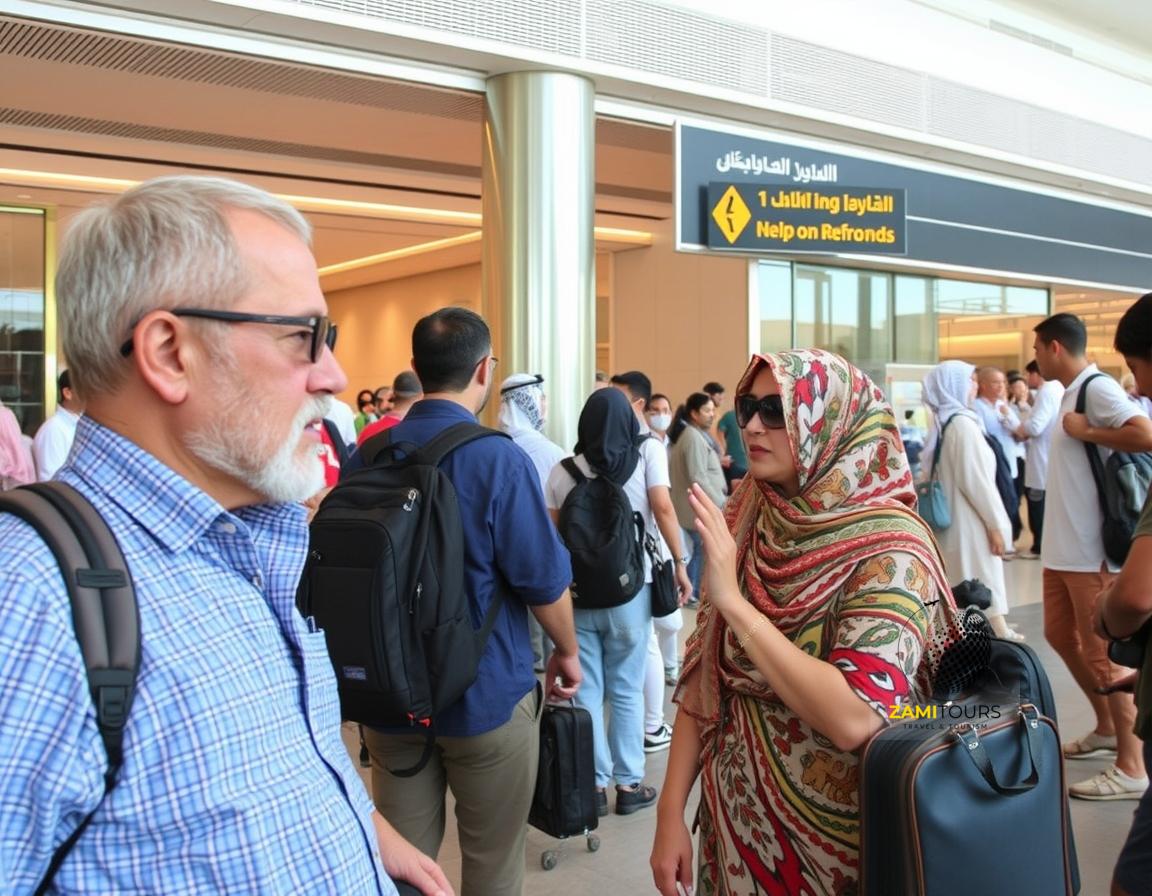
Conversely, the land crossing offers greater schedule flexibility and cost-effectiveness for families or those with more luggage. The journey itself can be a scenic road trip. However, it requires dealing with two immigration checks and, if driving, the complexities of cross-border vehicle regulations. The total travel time can be highly variable, depending on distance from the border in Oman and wait times at the posts. For a traveler starting in Muscat, the total journey to a Dubai hotel could take 5-7 hours by road. Meanwhile, a third alternative is organized coach tours or private transfers, which handle the border logistics for you but at a higher cost and with fixed schedules.
Ultimately, the choice depends on priorities. If speed and convenience for a solo traveler are paramount, flying may be best. For a family seeking an adventurous, flexible, and budget-friendly journey, the land crossing is superior. If you wish to avoid the hassle of self-driving but still want the road experience, a pre-booked private transfer is an excellent middle ground. Understanding these trade-offs allows you to recommend the optimal route. The land crossing remains the most interactive and culturally immersive method, turning transit into part of the adventure, provided the traveler is well-prepared for the process.
Common Oman to Dubai Crossing Challenges and Solutions
Even with preparation, travelers may encounter challenges during the border crossing. Being aware of common issues and their solutions ensures you can handle them calmly. A frequent challenge is unexpected documentation requests. An immigration officer might ask for proof of sufficient funds or a detailed day-by-day itinerary. Solution: Always carry printed copies of your bank statement (last 3 months), a detailed travel plan, and confirmed hotel bookings for your entire stay. Another common issue is long queue times, especially on Thursday evenings, Friday afternoons, and public holidays. Solution: Plan your crossing for early morning on a weekday (Sunday-Wednesday) to minimize waits. Check social media or traffic apps for real-time border wait updates.
For drivers, a major challenge is incomplete vehicle documentation. Renting a car in Oman without explicit cross-border authorization or forgetting to buy UAE insurance will result in a refusal to cross. Solution: Confirm with the rental agency in writing and get the necessary “NOC” letter. Purchase UAE insurance online in advance or at dedicated kiosks before the Omani exit post. Additionally, language barriers can sometimes cause minor confusion. Solution: While most officers speak English, having your documents neatly organized and using simple, clear phrases helps. Keep the phone number of your visa sponsor or a contact in the UAE handy.
Another potential hurdle is technical issues, such as a visa not appearing in the officer’s system despite having a printout. This is rare but can occur. Solution: Remain polite and patient. Provide the visa application reference number (File ID/Application Number). Having the contact details of your visa processing agent (like Zami Tours) available allows them to potentially verify the visa directly with the authorities if needed. Understanding your UAE Consumer Rights in service matters is also prudent. Ultimately, most challenges are avoided through meticulous preparation and partnering with a knowledgeable visa service provider.
Oman to Dubai Travel vs Traditional Methods Analysis
Analyzing the modern approach to Oman-Dubai travel against traditional methods highlights the evolution towards greater traveler empowerment and efficiency. Traditionally, this journey was often undertaken via informal bus services or private cars with minimal pre-planning, leading to unpredictable wait times and potential entry denials at the border due to unclear visa rules. Information was scarce and often relied on word-of-mouth. The “traditional method” for visa procurement involved visiting embassies or relying on local sponsors, a time-consuming and opaque process with variable outcomes.
In contrast, the modern methodology, as outlined in this guide, is built on digital access, professional services, and clear information. Travelers can now research border procedures in detail online, apply for visas through accredited platforms like the Federal Authority for Identity and Citizenship portals or trusted agents, and receive electronic visas within days. Real-time traffic and border wait information is available via smartphone apps. This shift empowers travelers with control and predictability. The role of the travel agent has also evolved from a mere ticket booker to a strategic advisor managing complex cross-border logistics and ensuring regulatory compliance.
Moreover, the infrastructure at the borders themselves has transformed. Traditional small posts have been replaced with modern, high-capacity terminals with air-conditioned halls, multiple counters, and clearer signage, improving the passenger experience significantly. The integration of digital systems reduces manual paperwork and speeds up processing. Therefore, while the geographical route remains the same, the experience of traveling it has been revolutionized. Embracing these modern tools and partners is the definitive way to ensure a smooth, efficient, and stress-free journey from Oman to Dubai, aligning with global travel standards set by bodies like the International Air Transport Association.
Oman to Dubai Trip Implementation Best Practices
To implement a flawless Oman to Dubai trip, adopting a set of best practices is essential. These practices cover the planning, execution, and contingency phases of your journey. First, adopt the principle of “digital and physical” documentation. While many services are digital, border authorities often require physical printouts. Best practice is to carry a dedicated travel folder containing printed copies of your visa, passport main page, insurance, accommodation, flights, and vehicle documents. Simultaneously, keep scanned copies accessible in your email or cloud storage as a backup.
Secondly, implement a strict pre-departure verification checklist 24 hours before travel. This checklist should confirm: visa status is “approved” and printed, passport is in person and valid, vehicle permissions are secured, UAE insurance is purchased, and all contact numbers (rental company, visa agent, hotel) are saved in your phone. Furthermore, plan your departure from Oman to reach the border during optimal hours—aim to arrive by 10 AM on a weekday. This timing helps you avoid the outgoing weekend traffic from the UAE and the later afternoon rush.
Another key best practice is communication. Inform your accommodation in Dubai of your estimated arrival time, especially if checking in late. If you are a travel agent managing this for a client, provide them with a clear, step-by-step instruction sheet and be available on a communication channel like WhatsApp during their crossing window for immediate support. Finally, always build in a time buffer. Assume the crossing will take longer than the estimated minimum. Do not book tightly scheduled appointments in Dubai for the afternoon of your crossing. By implementing these structured practices, you transform a potentially chaotic process into a well-orchestrated and predictable journey.
Expert Oman to Dubai Advice and Tips 2026
As we look towards 2026, expert advice becomes crucial for navigating the anticipated refinements in border and visa procedures. Firstly, expect biometric data collection, such as fingerprints and facial recognition, to become a standard part of the entry process at land borders, just as it is at airports. Ensure you are prepared to provide these upon request. Secondly, the trend towards mandatory advance passenger information (API) submission may extend to major land crossings. Submitting your UAE visa application form through a professional agent ensures your data is formatted correctly for such systems, preventing delays.
Expert tip: Consider the strategic value of a multiple-entry UAE visa if you plan to explore both countries in depth or have uncertain travel plans. While more expensive upfront, it offers unparalleled flexibility for side trips from Dubai back to Oman’s Musandam peninsula, for example, without needing a new visa each time. Additionally, with the rise of sustainable travel, experts recommend exploring the option of train travel in the future, as regional rail projects develop. Stay informed about the planned GCC railway network, which could revolutionize land travel in the coming decade.
For travel agents, the key tip for 2026 is to integrate visa and cross-border logistics seamlessly into your itinerary planning. Use a trusted B2B partner like Zami Tours to ensure reliability. You can easily B2B agent portal for streamlined bulk processing. Finally, always prioritize the human element. Technology enhances efficiency, but a friendly, patient demeanor at the border checkpoint remains invaluable. Officers appreciate travelers who are organized and courteous. By combining advanced preparation with these expert insights, your Oman to Dubai border crossing in 2026 will be a model of smooth and sophisticated travel.
Need an instant answer to a specific question about your crossing? For quick, reliable support, chat with Zaid on WhatsApp. We’re here to help.
Frequently Asked Questions
Can I get a UAE visa on arrival at the Oman land border?
This depends solely on your passport nationality. Citizens of eligible countries (like the UK, US, many EU states) can obtain a visa on arrival. Most other nationalities must arrange a pre-approved visa before arriving at the border.
How long does the land border crossing typically take?
Crossing time varies greatly. It can take as little as 45 minutes during quiet periods or 3+ hours on busy weekends, holidays, or evenings. Planning an early morning weekday crossing is best.
Do I need a separate visa for Oman and the UAE?
Yes. Oman and the UAE are separate countries with independent visa policies. You must meet the entry requirements for both. Ensure you have a valid visa for Oman (if required) to exit, and a valid visa for the UAE to enter.
Can I take a rental car from Oman into Dubai?
Only if the rental company explicitly permits it in your contract and provides a written No Objection Certificate (NOC). You must also purchase separate UAE vehicle insurance at the border.
What happens if my UAE visa is rejected at the border?
If you are denied entry, you will have to return to Oman. Having a pre-arranged visa from a reputable provider like Zami Tours minimizes this risk through careful application checks.
Is travel insurance mandatory for the UAE visa?
Yes. As per UAE government regulations, all tourist visa holders must have valid travel insurance with a minimum coverage of AED 50,000 for healthcare. It is bundled with the visa issuance.
Can I do a day trip from Oman to Dubai?
Yes, but it requires careful planning due to the driving and border time. You need a valid UAE visa (even for one day) and must account for at least 5-6 hours of total transit, leaving limited time in Dubai.
What should I do if I lose my visa printout at the border?
If you have a digital copy, you may be able to print it at some border business centers. However, always carry multiple physical copies. The visa number can also be retrieved by officers electronically.
Conclusion
Successfully navigating the Oman to Dubai border crossing is a manageable and rewarding process when approached with the right knowledge and preparation. This guide has detailed the essential components: from understanding the 2026 landscape and strict visa requirements to following a clear step-by-step process at the border. We’ve analyzed costs, compared travel options, and provided solutions to common challenges. The key takeaway is that meticulous planning—securing the correct visa, preparing all documents, understanding vehicle rules, and timing your journey—transforms a potentially daunting procedure into a straightforward and even enjoyable part of your Gulf adventure. Ultimately, the land journey offers a unique perspective and flexibility that flying cannot match.
At Zami Tours, our expertise is built on supporting 500+ travel agents across 40+ countries and countless individual travelers with their UAE visa needs. We understand the intricacies of the land crossing from Oman intimately and are committed to providing accurate, current information and reliable visa processing. Our transparent pricing and client-focused support ensure you are never alone in the process. Whether you are an adventure traveler planning your own route or a travel professional booking for clients, we are your trusted partner for all UAE entry formalities, making cross-border travel seamless and secure.
Ready to embark on your journey from Oman to Dubai? Let Zami Tours handle the complexities. Start your application via our easy-to-use UAE visa application form. For travel agents looking to build or scale their visa service offering, explore our competitive commissions and dedicated support by visiting our B2B agent portal or reading our detailed UAE visa reseller business guide. For any immediate questions, don’t hesitate to contact our team. We wish you a safe and remarkable journey across the border.