



Planning to explore Ramadan Dubai tourist guide? Visiting Dubai during Ramadan 2026 (February-March) offers a uniquely profound cultural experience. The city transforms, blending deep spiritual observance with vibrant, respectful tourism. Consequently, understanding the rhythm of the Holy Month is essential. Moreover, it ensures a fulfilling and respectful visit. This guide provides crucial insights into etiquette, schedules, and logistics.
Furthermore, Dubai remains welcoming to tourists throughout Ramadan. However, daily life adjusts to fasting hours. Restaurants operate discreetly during daylight. Additionally, entertainment venues modify their schedules. Understanding these changes enhances your trip significantly. Therefore, careful planning is highly beneficial.
At Zami Tours, trusted by 10,000+ travelers, we provide expert visa and travel guidance. Our 5+ years UAE experience helped 50+ countries. Apply for Dubai visa online with confidence for your spiritual journey.
Ready to Get Started?
Understanding Ramadan Dubai Tourist Guide
First, Ramadan is the ninth month of the Islamic lunar calendar. In 2026, it will likely span from approximately February 17th to March 18th. The exact dates depend on the moon sighting. Therefore, confirm dates closer to your travel period. This holy month involves fasting from dawn to sunset. Fasting includes abstaining from food, drink, and smoking.
Moreover, the Ramadan Dubai tourist guide emphasizes respectful observation. Tourists are not required to fast. However, public observance of fasting rules is mandatory. Eating, drinking, or chewing gum in public is prohibited. Similarly, loud music and dancing are discouraged. Consequently, you must plan your public activities carefully.
Additionally, the city’s pace changes beautifully. Work hours shorten for Muslims. Furthermore, nights become lively with Iftar and Suhoor gatherings. This shift creates a unique cultural atmosphere. Ultimately, embracing this rhythm offers deep insight into local traditions.
- Expected Dates: February 17 – March 18, 2026 (subject to moon sighting).
- Core Practice: Fasting (Sawm) from dawn (Fajr) to sunset (Maghrib).
- Tourist Stance: Public respect for fasting is essential; private consumption is allowed.
- Daily Rhythm: Quiet days, vibrant nights with cultural and culinary events.
Why Choose a Holy Month Visit
Choosing to visit during Ramadan offers distinct advantages. Primarily, you witness Dubai’s profound cultural and spiritual heart. The emphasis shifts from commerce to community. Therefore, you experience authentic local traditions. Furthermore, many hotels and venues host spectacular Iftar tents. These feasts are culinary and cultural events.
Additionally, tourist sites are often less crowded during daytime hours. This allows for more relaxed exploration. However, evenings can be busy with locals. Nevertheless, the festive night atmosphere is unforgettable. Special Ramadan markets and events also pop up. These venues sell traditional crafts, foods, and garments.
Conversely, you must consider some operational changes. Some attractions may have shorter hours. Additionally, alcohol service is restricted. Nightclubs may be closed. Therefore, nightlife-focused travelers should plan accordingly. Ultimately, the trade-off is a richer, more meaningful travel experience.
Ramadan Dubai Tourist Guide Experience
The Ramadan Dubai tourist guide experience revolves around participation and respect. Iftar, the meal to break the fast, is central. Many hotels offer lavish Iftar buffets. Furthermore, community Iftars provide a genuine local experience. Participating is a beautiful way to connect. Suhoor, the pre-dawn meal, is also a social event. Many restaurants stay open late for this purpose.
Moreover, cultural activities flourish. You can visit mosques offering special tours. Additionally, heritage sites like Al Fahidi District host Ramadan-themed events. Charitable giving (Zakat) is highly visible. Consequently, you may see donation drives. Shopping malls decorate beautifully and extend evening hours. However, they respect prayer times, temporarily pausing entertainment.
Specifically, dress codes become more important. Modest clothing is expected everywhere. Shoulders and knees should be covered in public areas. This applies to both men and women. Therefore, packing appropriate attire is crucial for a respectful visit.
Cultural Etiquette Details & Features
Cultural etiquette is the cornerstone of a respectful visit. First, never eat, drink, or smoke in public during fasting hours. Use designated screened areas in malls or dine in your hotel restaurant. Similarly, avoid loud public displays of affection. Furthermore, refrain from playing loud music in public or from your car.
Moreover, greeting phrases hold great significance. You can say “Ramadan Kareem” (Generous Ramadan). Alternatively, use “Ramadan Mubarak” (Blessed Ramadan). This simple gesture shows cultural awareness. Additionally, be patient. Service may be slower as staff may be fasting. Also, traffic increases dramatically before Iftar. Subsequently, avoid traveling during the hour before sunset.
Finally, always accept dates and Arabic coffee if offered. This is a traditional sign of hospitality. Respecting prayer times is also key. Some shops may close for 20-30 minutes during prayers. Planning around these brief intervals ensures a smooth day.
- Public Behavior: No public consumption of food, drink, or smoking.
- Attire: Modest dress covering shoulders and knees is mandatory.
- Greetings: Use “Ramadan Kareem” or “Ramadan Mubarak” warmly.
- Patience: Expect slower service and pre-Iftar traffic jams.
Need Expert Assistance?
Practical Logistics Planning & Tips
Practical planning ensures a hassle-free Ramadan visit. First, check operating hours for all attractions. Museums and government offices often have reduced schedules. For instance, they may close by 3 PM. Therefore, always verify timings online before visiting. Additionally, restaurant openings for lunch are limited. However, hotel restaurants reliably serve guests.
Furthermore, Iftar timings change daily. They shift slightly earlier each day as sunrise gets earlier. In February-March 2026, Iftar will start around 6:15 PM to 6:30 PM initially. Consequently, sunset will mark the daily breaking of the fast. You can find precise daily timings on Islamic apps or local news.
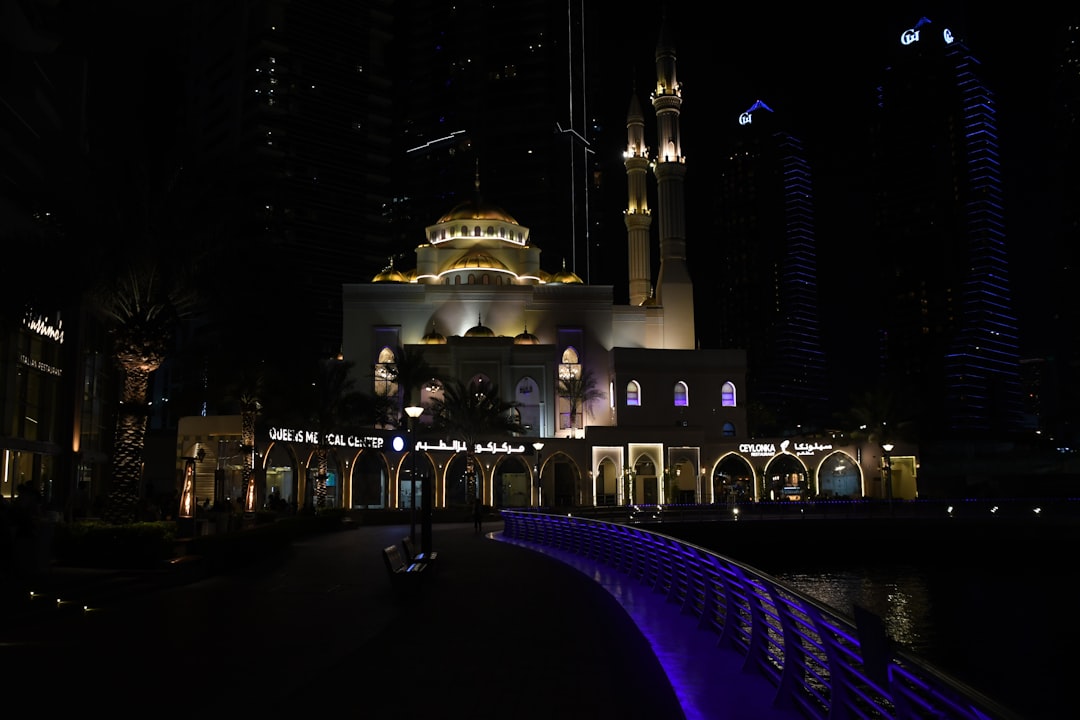
Meanwhile, visa processing requires attention. Government working hours shorten during Ramadan. Typically, offices operate from 9 AM to 2 PM. This affects in-person submissions. However, online portals like the UAE immigration site remain available 24/7. Hence, using an expert service like Zami Tours is advisable for smooth processing.
Ramadan Dubai Tourist Guide Cultural Significance
The Ramadan Dubai tourist guide highlights deep cultural significance. Ramadan is not merely about fasting. It is a time for spiritual reflection, community, and generosity. Experiencing this in Dubai shows a modern city honoring tradition. The communal Iftar meals symbolize unity and sharing. Therefore, participating is highly meaningful.
Moreover, the nightly Taraweeh prayers are a key observance. Major mosques hold these special prayers. Non-Muslims can often observe from designated areas. This offers a glimpse into Islamic worship. Additionally, the emphasis on charity (Zakat and Sadaqah) is visible. Many organizations set up donation drives. Consequently, the month fosters a spirit of giving.
Ultimately, your respectful presence as a tourist is appreciated. It promotes cross-cultural understanding. The Dubai tourism authority actively welcomes visitors during this time. They provide guidelines to ensure positive experiences for all. Thus, your visit supports cultural exchange.
Common Visitor Mistakes to Avoid
Several common mistakes can disrupt your visit. First, assuming all services operate normally is a major error. Always double-check hours for shops, attractions, and restaurants. Secondly, dressing immodestly in public areas causes offense. Even in hot weather, modest attire is non-negotiable.
Furthermore, being insensitive during the call to prayer is disrespectful. While you don’t need to pray, lower your voice and pause conversations respectfully. Another mistake is refusing hospitality. If offered a date or drink at Iftar, accept graciously. Conversely, do not offer food or drink to someone who is fasting during daylight.
Finally, neglecting to plan for visa processing delays can be costly. With shorter official hours, processing may slow. Therefore, apply for your visa well in advance. Using a trusted partner like Zami Tours mitigates this risk. You can explore 30-day tourist visa options early.
Expert Travel Recommendations
Expert recommendations maximize your Ramadan journey. First, book a hotel with multiple dining outlets. This ensures easy access to meals during the day. Secondly, reserve Iftar and Suhoor experiences in advance. Popular venues sell out quickly. Moreover, consider a cultural tour. Specialized tours explain Ramadan traditions deeply.
Additionally, carry a light scarf or shawl at all times. This allows quick adaptation for modesty or visiting mosques. Also, use ride-hailing apps. They are more reliable than finding taxis during the chaotic pre-Iftar rush. For visa matters, rely on professional assistance. Our specialists streamline the entire process.
Finally, embrace the spirit of the month. Attend a cultural lecture or a heritage event. Visit the Dubai residency website for official updates. Check the UAE Foreign Affairs page for travel advisories. Always verify travel requirements before departure. For business, join agent network or access agent portal for professional tools.
Frequently Asked Questions About Ramadan Dubai Tourist Guide
Can tourists drink water during Ramadan in Dubai?
No, public drinking is prohibited during fasting hours. Drink discreetly in designated screened areas or in private.
Are nightclubs open in Dubai during Ramadan?
Most nightclubs close for the entire month. However, hotel bars and lounges may open after Iftar with restricted service.
What are typical Iftar timings in February 2026?
Iftar will be around 6:15 PM to 6:30 PM in late February. It gets slightly earlier each day.
How does Ramadan affect visa processing hours?
Government offices typically operate 9 AM to 2 PM. Online processing continues, but in-person services are reduced. Apply online for efficiency.
Is the Ramadan Dubai tourist guide suitable for families?
Yes, it is very family-friendly. Many Iftar tents and events cater to children with special activities and entertainment.
Can I visit mosques during Ramadan?
Yes, many mosques offer guided tours for non-Muslims. For example, the Jumeirah Mosque tour continues with adjusted timings.
Final Thoughts on Ramadan Dubai Tourist Guide
Furthermore, the Ramadan Dubai tourist guide offers exceptional cultural value. Moreover, it provides profound insights into local traditions. Therefore, careful planning enhances your experience significantly. Visiting during this holy month is a privilege. It allows you to see Dubai’s community spirit.
Zami Tours provides comprehensive support for your journey. Our services ensure you navigate visa and cultural logistics smoothly.
- Fast Processing: 24-72 hours for urgent visas.
- Expert Support: 5+ years of UAE-specific experience.
- Trusted Service: Assisted 10,000+ travelers from 50+ countries.
Additionally, apply for your Dubai visa online today to secure your travel plans. Meanwhile, for immediate questions, contact our specialists on WhatsApp. Embrace the unique opportunity of a Ramadan visit to Dubai in 2026.