


Understanding Ramadan in Dubai
Ramadan is the ninth month of the Islamic lunar calendar. It commemorates the first revelation of the Quran to Prophet Muhammad. Muslims worldwide observe this period through fasting, prayer, and reflection. Therefore, daily life in Dubai adjusts significantly to accommodate these spiritual practices. Restaurants often close during daylight hours. Workdays typically become shorter. Meanwhile, the city awakens spectacularly after sunset. The atmosphere is one of shared community and generosity. Understanding these fundamental shifts is crucial for any visitor.
Fasting, or Sawm, is one of the Five Pillars of Islam. It involves abstaining from food, drink, and smoking from dawn until dusk. This practice cultivates self-discipline and empathy for the less fortunate. Consequently, everyone in public is expected to respect these observances. This includes refraining from eating or drinking in public areas. Dress codes also become more conservative throughout the city. Embracing these customs shows respect for the local culture and religion.
Ramadan in Dubai Benefits
Experiencing this holy month offers immense cultural and spiritual rewards. Visitors gain deep insights into the heart of Emirati society. The pace of life slows down, allowing for more meaningful connections. Moreover, the nightly festivities create a celebratory atmosphere unmatched at any other time of year. The benefits extend beyond mere tourism to genuine cultural exchange.
Iftar, the meal to break the fast, is a central community event. Hotels and venues across the city erect magnificent tents. These offer lavish feasts that bring people together. Additionally, many establishments provide special discounts and promotions. Night markets and cultural events spring up, offering unique shopping and entertainment. Therefore, the visitor experience is rich with opportunity and hospitality.
How Ramadan in Dubai Works
The daily rhythm during this month is unique. The workday often starts later and ends earlier. Suhoor, the pre-dawn meal, is followed by the Fajr prayer. Then, fasting begins and continues until Maghrib prayer at sunset. Iftar cannon firings are a traditional signal that fasting can end. The city then erupts into a flurry of activity, prayer, and dining.
Major mosques hold special nightly prayers called Taraweeh. These can last for over an hour and involve reciting long portions of the Quran. Furthermore, the last ten nights are especially significant. They include Laylat al-Qadr, the Night of Power, which is better than a thousand months. Many Muslims engage in intense worship during this period. Consequently, visitors will notice an even deeper sense of spirituality.
Best Ramadan in Dubai Practices
Adhering to local customs is essential for a respectful visit. Dress modestly by covering shoulders and knees in public. Avoid eating, drinking, or chewing gum in public during daylight. Many malls and hotels provide designated screened-off areas for consumption. Similarly, playing loud music or public displays of affection are frowned upon. These practices show consideration for those who are fasting.
Planning your day is crucial. Schedule activities and sightseeing for the morning or late afternoon. Many attractions have altered opening hours. Furthermore, traffic can be heavy just before Iftar as people rush home. Then, the streets become quiet during the prayer and meal. After Iftar, the city becomes incredibly lively. Embracing this schedule allows for a seamless and enjoyable experience.
Ramadan in Dubai Implementation
Implementing your visit requires strategic planning. Book your iftar and suhoor experiences well in advance. Top hotel tents and cultural events sell out quickly. Additionally, research the locations of night markets like the Ramadan Night Market at Dubai World Trade Centre. These are perfect for finding unique gifts and soaking in the festive atmosphere.
Consider a cultural tour for deeper immersion. Several operators offer guided visits that explain traditions and history. Alternatively, visiting historical neighborhoods like Al Fahidi provides context. You can also participate in community iftars for an authentic local experience. Many organizations host these to promote intercultural understanding. Therefore, your implementation strategy should balance luxury with genuine cultural engagement.
Advanced Ramadan in Dubai Strategies
For a truly profound experience, go beyond the typical tourist path. Seek out smaller, local mosques to observe Taraweeh prayers. The sense of community is often more intimate. Moreover, consider volunteering with a charity that distributes iftar meals. This provides a powerful perspective on the month’s spirit of giving.
Attend a lecture or Islamic cultural workshop. The Sheikh Mohammed Centre for Cultural Understanding offers excellent programs. These sessions allow for open dialogue and questions about Emirati culture and Islam. Alternatively, explore the spiritual significance of the month through literature. Understanding the “why” behind the rituals enriches the entire experience. Consequently, these advanced strategies create memories that last a lifetime.
Ramadan in Dubai Success Tips
Hydration is key to managing your energy. Drink plenty of water during the permitted hours after Iftar and before Suhoor. The desert climate can be dehydrating even without fasting. Additionally, plan for lighter activities during the hottest parts of the day. Malls and indoor attractions are ideal for this time.
Use ride-hailing apps or the metro around Iftar time. Traffic patterns are unpredictable. Furthermore, always carry a light scarf or shawl for modesty when needed. Be patient and embrace the slower pace. The unique rhythm of the city is part of the charm. Greeting people with “Ramadan Kareem” is a simple gesture that is always appreciated.
Future of Ramadan in Dubai
The celebration of the holy month in Dubai continues to evolve. Each year brings more innovative and luxurious iftar concepts. There is also a growing emphasis on authentic, family-oriented cultural events. Furthermore, technology is playing a larger role with apps for prayer times and iftar locations.
The core spiritual essence, however, remains unchanged. Dubai successfully balances its ultra-modern identity with deep-rooted traditions. Future celebrations will likely see even more integration of technology. Meanwhile, the commitment to hospitality and cultural sharing will only strengthen. Therefore, the experience for visitors will continue to be both comfortable and deeply meaningful.
Frequently Asked Questions
Can tourists eat and drink during Ramadan in Dubai?
Yes, but discreetly. Many hotels have restaurants that operate normally behind screened areas. You should not eat, drink, or smoke in public spaces during daylight hours.
What should I wear during Ramadan in Dubai?
Modest clothing is essential. Cover your shoulders and knees in public areas like malls and souks. This applies to both men and women as a sign of respect.
Are night markets common during Ramadan in Dubai?
Yes, night markets are a major feature. The Ramadan Night Market is a popular event offering shopping, food, and entertainment after Iftar until late at night.
Can non-Muslims visit mosques during Ramadan in Dubai?
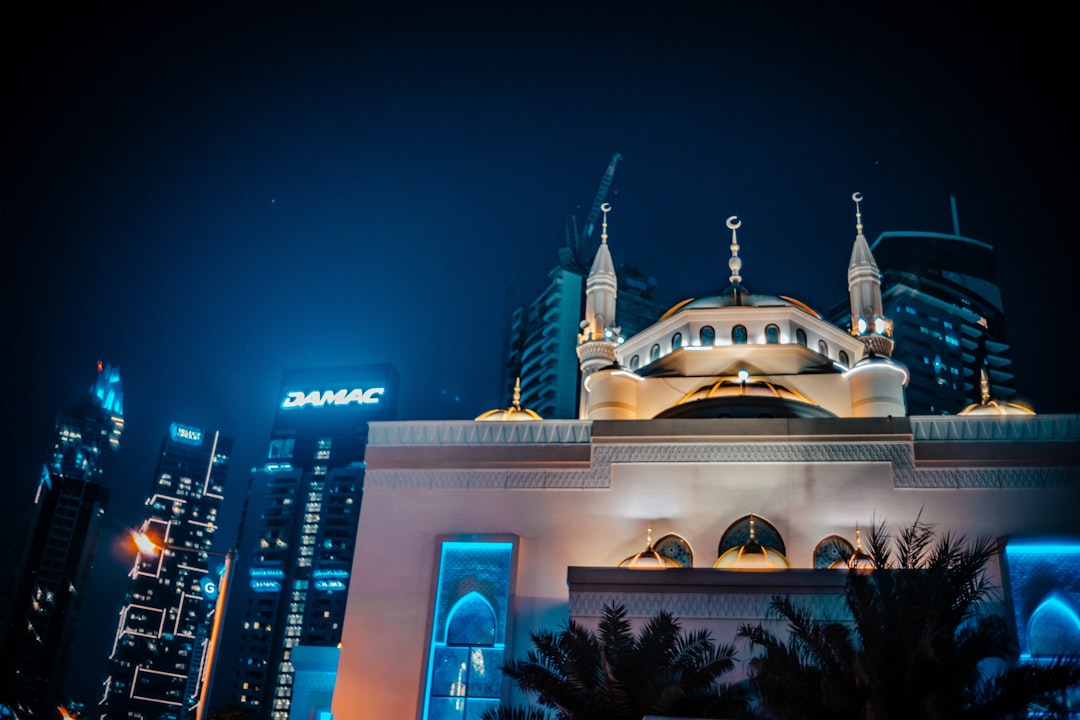
Yes, the Jumeirah Mosque offers guided tours. It is a fantastic opportunity to learn about Islam and Emirati culture, especially during this holy period.
What is the best way to experience an iftar?
Booking an iftar at a traditional tent is highly recommended. Major hotels and heritage sites offer these feasts, providing an authentic and luxurious experience.
Do I need a special visa for Ramadan in Dubai?
No, the standard tourist visa applies. You can easily apply for a Dubai and UAE tourist visa online before your trip.
Conclusion
A visit during this holy month is a transformative journey. It blends spiritual observation with incredible hospitality and cultural richness. From the grandeur of iftar tents to the solemnity of special prayers, every moment offers a new discovery. The key is to approach the experience with respect and an open mind. Therefore, planning is essential for a seamless and deeply rewarding adventure. Embrace the unique rhythm of the city and its traditions. Your journey through Ramadan in Dubai will leave you with a profound appreciation for Emirati culture. Start your visa application today and prepare for an unforgettable spiritual and cultural immersion.