


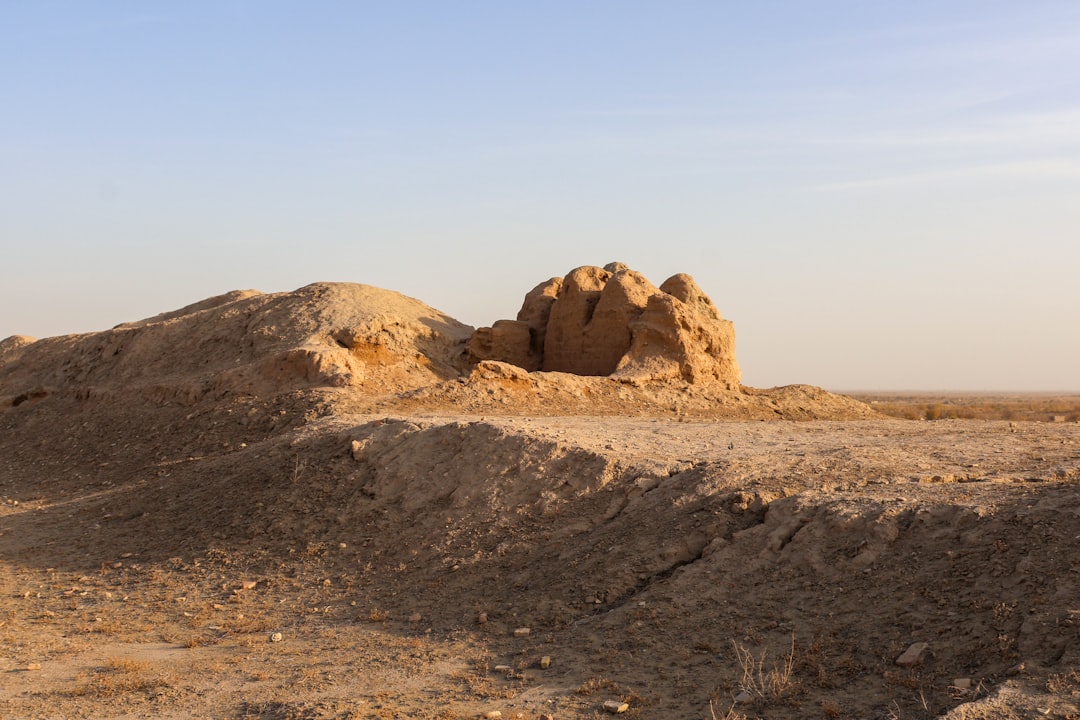

The museum’s story begins with a fascinating discovery by His Highness Sheikh Mohammed bin Rashid Al Maktoum, who spotted unusual patterns in the sand during a helicopter flight over the Rub al-Khali desert. This chance observation led to one of the most significant archaeological finds in the Arabian Peninsula, revealing a site that had been occupied from the Iron Age through the Islamic period. The location’s strategic position along ancient trade routes made it a crucial hub for metal production and commerce, with artifacts suggesting connections to civilizations as far away as Mesopotamia and the Indus Valley.
At Zami Tours, trusted by 10,000+ travelers, we provide comprehensive UAE travel planning services. Our team with 5+ years UAE experience helped visitors from 50+ countries. Apply for your Dubai visa online to begin your journey to this remarkable cultural destination and many other attractions across the Emirates.
Ready to Get Started?
Understanding Saruq Al Hadid Archaeological Museum
The Saruq Al Hadid Archaeological Museum represents one of the most important heritage preservation projects in the United Arab Emirates. Located in the historic Shindagha district of Dubai, the museum occupies the traditional house of Sheikh Juma bin Maktoum Al Maktoum, beautifully restored to house these extraordinary archaeological finds. The institution serves as both a research center and public exhibition space, dedicated to interpreting the mysteries of this ancient desert site for modern audiences.
What makes this museum particularly remarkable is its focus on a location that was not a traditional settlement but rather an industrial and ritual site. Excavations have revealed evidence of extensive snake worship, sophisticated metalworking facilities, and thousands of artifacts that challenge previous assumptions about the region’s ancient inhabitants. The collection includes:
- Over 10,000 metal objects including weapons, tools, and jewelry
- Intricately carved stone vessels and containers
- Rare organic materials preserved by the arid desert conditions
- Evidence of long-distance trade including pottery and beads
The museum employs state-of-the-art display techniques and interactive exhibits to bring these ancient artifacts to life. Visitors can explore reconstructions of ancient metallurgical processes, view 3D visualizations of the archaeological site, and even handle replica objects to better understand the daily lives of the people who occupied this mysterious location thousands of years ago.
Why Choose Saruq Al Hadid Archaeological Museum
Selecting the Saruq Al Hadid Archaeological Museum for your cultural itinerary offers numerous advantages beyond typical museum experiences. This institution provides a uniquely authentic encounter with the UAE’s ancient history, presented through innovative exhibition design and scholarly research. Unlike many archaeological museums that display objects without context, this venue meticulously reconstructs the story of both the site and the people who worked there.
The museum’s curation emphasizes accessibility without sacrificing academic rigor. Multilingual displays, interactive stations, and thoughtfully designed visitor flow ensure that both casual tourists and serious scholars can appreciate the significance of the collections. Special attention has been paid to creating engaging experiences for younger visitors, with hands-on activities and specially designed educational programs that make ancient history exciting and relevant.
Key benefits of visiting this cultural institution include:
- Opportunity to see artifacts unavailable anywhere else in the world
- Insight into cutting-edge archaeological research methods
- Understanding of ancient technology and craftsmanship
- Appreciation of the UAE’s deep historical roots beyond oil discovery
The museum’s location in the historic Shindagha neighborhood adds another layer of cultural significance, allowing visitors to explore both ancient history and traditional Emirati architecture in a single destination. The careful restoration of the heritage building that houses the museum creates an atmospheric setting that enhances the historical narrative.
Saruq Al Hadid Archaeological Museum Experience
The Saruq Al Hadid Archaeological Museum experience begins from the moment visitors approach the beautifully restored traditional building in the Shindagha heritage district. The museum’s layout guides guests through a chronological and thematic journey, starting with the discovery of the site and progressing through various aspects of ancient life and technology. Each gallery builds upon the previous one, creating a comprehensive understanding of this unique archaeological location.
One of the most compelling sections focuses on the metallurgical practices that made Saruq Al Hadid significant. Interactive displays demonstrate how ancient smelters extracted copper and iron from ore using primitive but effective technologies. Visitors can examine slag samples, reconstructed furnaces, and finished metal objects that illustrate the complete production process. The museum also explores the ritual aspects of metalworking, including evidence of snake worship that suggests spiritual dimensions to this industrial activity.
Highlights of the visitor experience include:
- The Discovery Room featuring the original aerial photographs that identified the site
- Metalworking Gallery with working reconstructions of ancient furnaces
- Snake Cult exhibition exploring ritual and spiritual practices
- Trade and Connections display showing artifacts from distant civilizations
The museum employs sophisticated multimedia presentations to recreate the desert environment and illustrate how the site might have appeared during its occupation. These technological enhancements complement rather than overwhelm the authentic artifacts, creating a balanced educational experience that appeals to diverse learning styles and age groups.
Ancient Artifacts and Historical Significance
The collection of ancient artifacts at this heritage institution represents one of the most important archaeological assemblages in the Arabian Gulf region. The preservation conditions at the desert site have allowed for the survival of materials that rarely endure in archaeological contexts, including leather, textiles, and wooden objects. These rare organic artifacts provide unparalleled insights into daily life, technology, and trade during the Iron Age.
Among the most significant finds are numerous bronze and iron weapons, including swords, daggers, and arrowheads that demonstrate sophisticated metalworking techniques. The quantity and quality of these objects suggest the site may have served as a production center supplying weapons to a wide region. Equally impressive are the personal adornments, including gold jewelry, carved stone beads, and shell ornaments that indicate social stratification and aesthetic sophistication.
Notable artifact categories include:
- Weaponry and tools illustrating technological advancement
- Ceramic vessels from local production and distant trade networks
- Ritual objects associated with snake worship practices
- Evidence of food processing and consumption patterns
The historical significance of these finds cannot be overstated. They challenge previous narratives that portrayed ancient Arabia as primarily nomadic and isolated, instead revealing complex societies engaged in specialized production and long-distance exchange. The artifacts demonstrate connections with contemporary civilizations in Mesopotamia, Iran, and the Indus Valley, positioning ancient Dubai as part of an extensive intercultural network.
Visitor Planning and Practical Tips
Effective planning significantly enhances any visit to this distinguished cultural venue. The museum operates from 8:00 AM to 8:00 PM Saturday through Thursday, with Friday hours from 3:00 PM to 9:00 PM. Admission fees are modest, typically around 20 AED for adults with discounts for students, children, and senior citizens. Advance ticket purchase isn’t usually necessary except during peak tourist seasons or for large groups.
Allocating sufficient time is crucial for fully appreciating the exhibitions. While a quick visit might take approximately 60-90 minutes, serious history enthusiasts may wish to allow 2-3 hours to thoroughly examine the artifacts and interactive displays. The museum’s layout facilitates both brief overviews and detailed study, with clear pathways and well-organized thematic sections.
Essential planning considerations include:
- Check the official website for temporary closures or special events
- Consider joining a guided tour for expert interpretation
- Combine your visit with other Shindagha heritage sites
- Plan for Dubai’s climate with appropriate clothing and hydration
The museum’s location in the Shindagha heritage district offers excellent opportunities for combining cultural experiences. Visitors can easily explore neighboring attractions including the Dubai Museum, Heritage Village, and traditional souks. Public transportation access is convenient, with several bus routes serving the area and water taxis providing scenic approaches to the historic district.
Need Expert Assistance?
Common Museum Visit Mistakes
Many visitors inadvertently diminish their cultural experience through easily avoidable errors. One frequent mistake involves insufficient time allocation, resulting in rushed viewing and missed highlights. The rich complexity of the Saruq Al Hadid collections deserves thoughtful examination rather than hurried photography. Another common error involves neglecting the interpretive materials, which provide essential context for understanding the archaeological significance of displayed objects.
Physical preparation represents another area where visitors often miscalculate. The museum involves considerable walking and standing, making comfortable footwear essential. Dubai’s climate also demands attention to hydration and sun protection, particularly for approaches to the museum and exploration of the surrounding heritage district. Cultural considerations regarding modest dress should also be observed, though the museum itself is accommodating to international visitors.
Typical visitor missteps include:
- Focusing only on photography rather than observation
- Overlooking the interactive and multimedia elements
- Missing the connection to other heritage sites in the area
- Neglecting to visit the research and conservation laboratories
Perhaps the most significant error involves failing to understand the site’s broader historical context. The Saruq Al Hadid discoveries fundamentally altered understanding of the region’s ancient history, revealing sophisticated technological capabilities and extensive trade networks that contradict earlier perceptions of isolation and simplicity. Appreciating this revolutionary aspect of the research greatly enhances the visitor experience.
Alternative Cultural Venues Comparison
While the Saruq Al Hadid Archaeological Museum offers a unique perspective on ancient history, Dubai and the wider UAE feature numerous other cultural institutions that provide complementary experiences. The Dubai Museum in Al Fahidi Fort presents a broader overview of Emirati history from prehistoric times to the present day. Meanwhile, the Louvre Abu Dhabi offers a global perspective on art and civilization, contextualizing regional developments within worldwide cultural movements.
Each institution serves different but overlapping educational purposes. The Saruq Al Hadid Museum provides unparalleled depth on a specific archaeological site and period, while other venues offer greater chronological range or geographical scope. For visitors with limited time, understanding these distinctions helps in selecting the most appropriate cultural destinations based on specific interests and learning objectives.
Notable alternative cultural venues include:
- Dubai Museum: Comprehensive historical overview
- Etihad Museum: Focus on UAE federation history
- Sharjah Archaeology Museum: Regional prehistoric context
- Al Ain Palace Museum: Traditional royal lifestyle
The Saruq Al Hadid Archaeological Museum distinguishes itself through its focus on archaeological process and specific site interpretation. Rather than presenting a generalized historical narrative, it immerses visitors in the detective work of reconstructing ancient activities from material remains. This methodological focus makes it particularly valuable for understanding how archaeologists interpret evidence and reconstruct past human behavior.
Expert Cultural Itinerary Recommendations
Creating an optimal cultural itinerary requires balancing depth and breadth while accounting for practical considerations like location, timing, and visitor energy levels. For visitors particularly interested in ancient history, combining the Saruq Al Hadid Archaeological Museum with the Sharjah Archaeology Museum provides comprehensive coverage of the region’s prehistoric and early historic periods. These two institutions complement each other effectively, with Sharjah providing regional context and Saruq Al Hadid offering deep analysis of a specific site.
For visitors with broader historical interests, a Dubai heritage circuit might include the Saruq Al Hadid Museum, Dubai Museum, and Al Fahidi Historical Neighborhood. This combination covers ancient history, traditional Emirati culture, and the rapid development of modern Dubai. Such an itinerary provides both chronological progression and thematic depth, helping visitors understand the connections between ancient foundations and contemporary society.
Recommended itinerary combinations:
- Ancient History Focus: Saruq Al Hadid + Sharjah Archaeology Museum
- Dubai Heritage: Saruq Al Hadid + Dubai Museum + Heritage Village
- Comprehensive Culture: Saruq Al Hadid + Etihad Museum + Louvre Abu Dhabi
Regardless of the specific itinerary, early morning visits typically offer the most comfortable experience with smaller crowds and fresher minds for absorbing complex information. The cultural density of these institutions means that visitors should schedule breaks between museum visits to prevent “museum fatigue” and allow time for reflection on the historical narratives encountered.
Frequently Asked Questions About Saruq Al Hadid Archaeological Museum
How long does Saruq Al Hadid Archaeological Museum take?
Duration varies by interest level. A comprehensive visit typically requires 2-3 hours to fully appreciate all exhibitions and interactive displays. Plan visit.
What is required for this heritage site visit?
Required: modest dress, comfortable walking shoes, valid ID for ticket purchase, and payment method for admission fee.
Cost of this archaeological experience?
Admission is approximately 20 AED for adults with significant discounts for students, children, and seniors. Special exhibitions may have separate pricing.
Best time for this cultural venue?
Morning hours are recommended for smaller crowds and cooler temperatures. Weekdays typically see fewer visitors than weekends.
Photography allowed at the museum?
Personal photography is generally permitted without flash. Commercial photography requires advance permission from museum administration.
Family-friendly archaeological museum?
Yes, the venue offers excellent family programming with interactive exhibits specifically designed to engage younger visitors with ancient history.
Final Thoughts on Saruq Al Hadid Archaeological Museum
The Saruq Al Hadid Archaeological Museum offers exceptional cultural value for anyone interested in ancient history, archaeology, or the deep heritage of the United Arab Emirates. This institution stands as a testament to the region’s sophisticated ancient civilizations and their connections to wider cultural networks across the